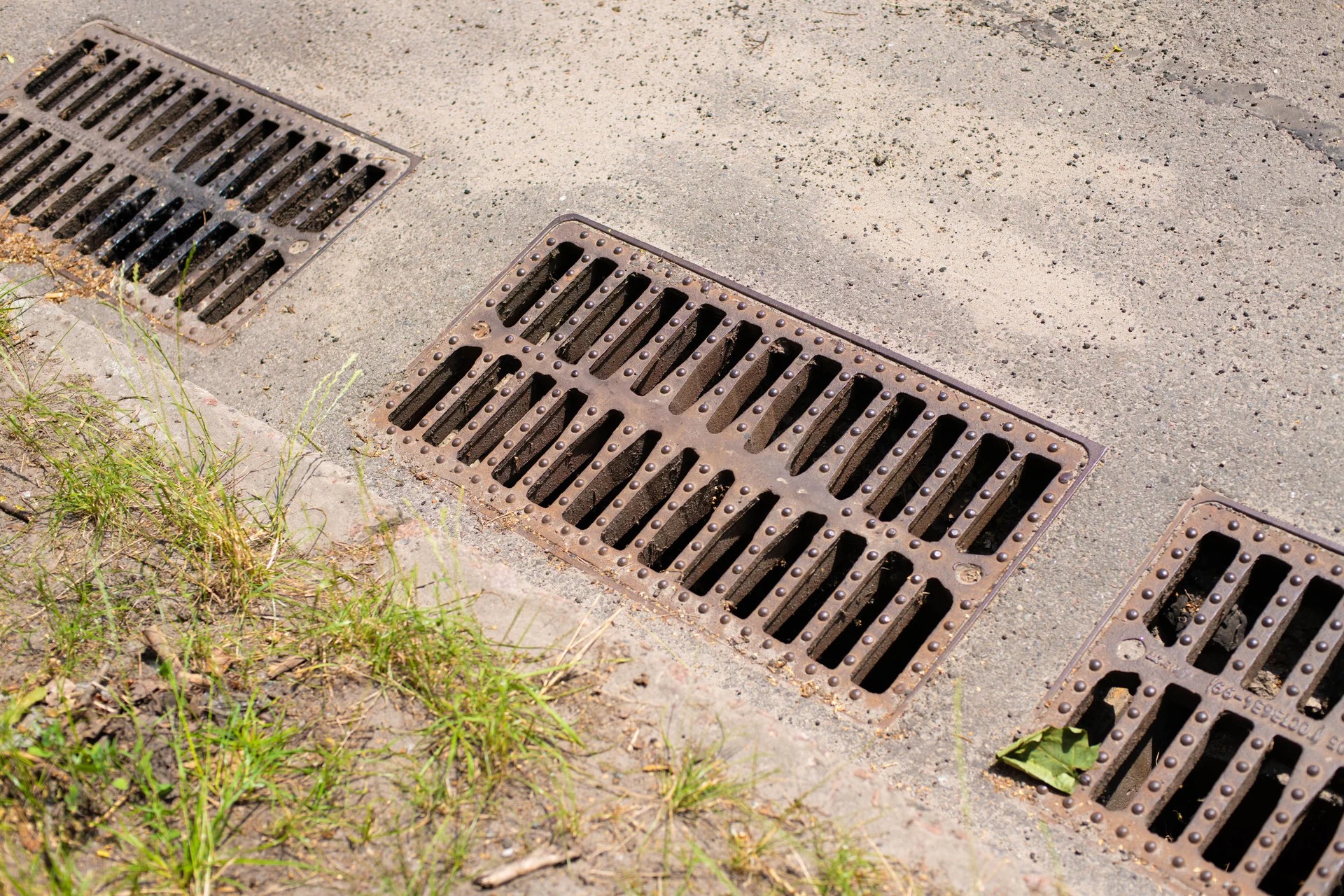
What Are Bio-Swales?
Bio-swales are a sustainable landscaping feature designed to manage stormwater runoff. They are essentially shallow, vegetated channels that slow and filter rainwater as it flows through. The primary goal of a bio-swale is to reduce runoff volume, improve water quality, and promote groundwater recharge.
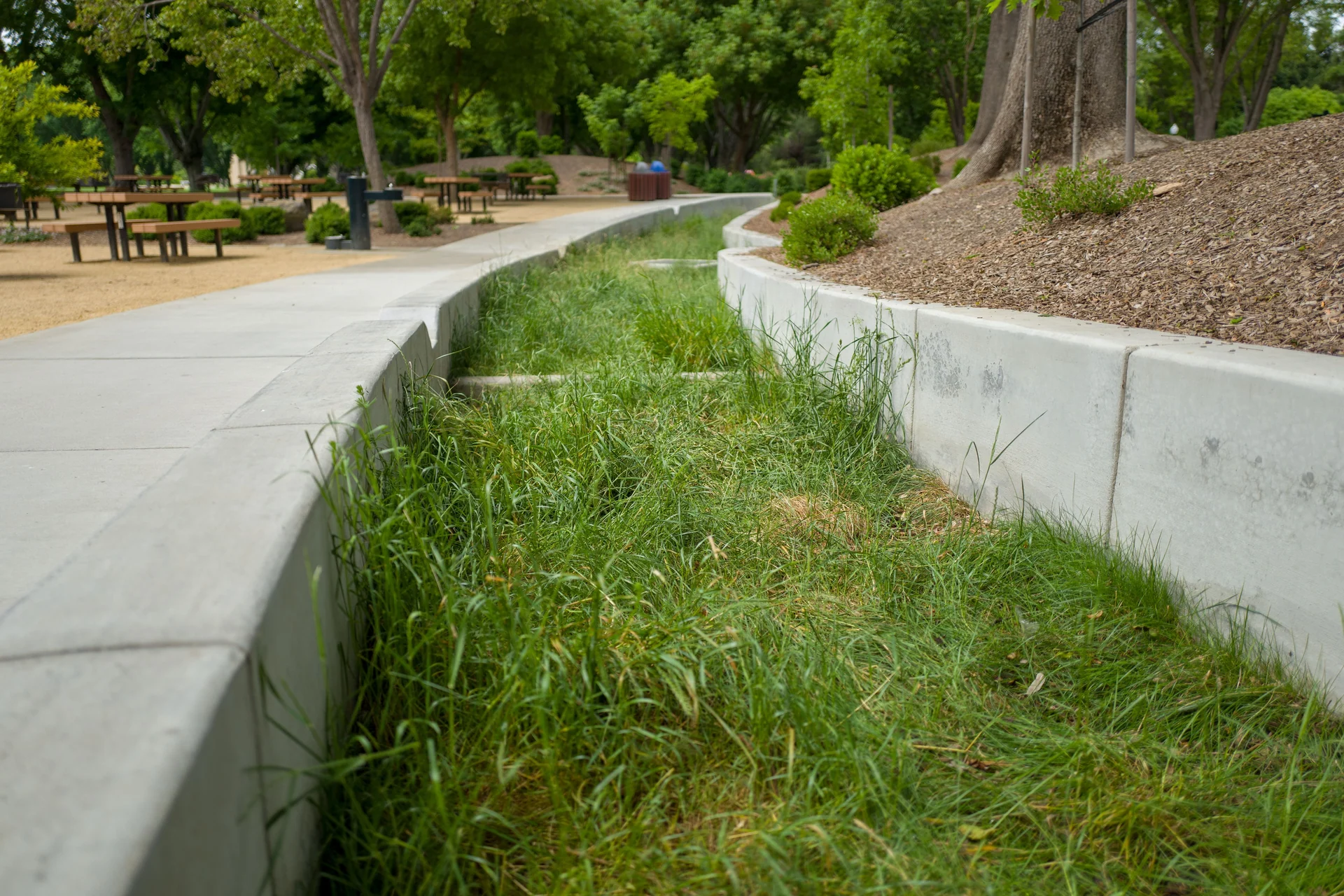
How Do Bio-Swales Work?
Bio-swales function by capturing and slowing down stormwater runoff, allowing it to be absorbed by the soil and filtered by the plants and rocks within the swale. As water moves through the system, pollutants like sediments and heavy metals are trapped and broken down, resulting in cleaner water reaching natural water bodies.
Benefits of Bio-Swales
Integrating bio-swales into your landscape offers several advantages:
- Water Quality Improvement: They reduce pollutants and sediments in runoff.
- Flood Mitigation: By slowing water flow, they reduce the risk of flooding.
- Groundwater Recharge: They promote the infiltration of water into the ground, replenishing aquifers.
- Habitat Creation: Bio-swales can support native plants and wildlife.
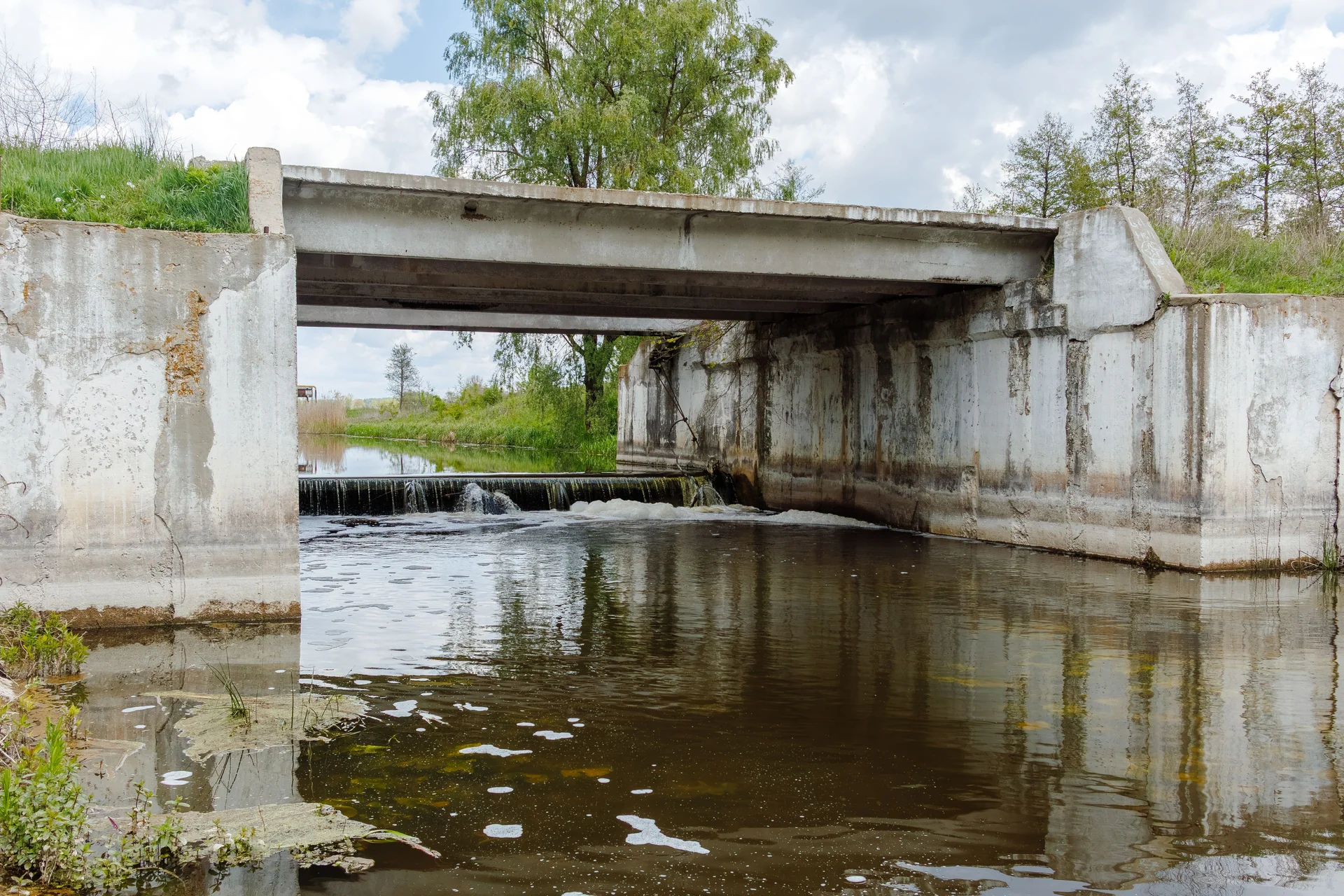
Designing a Bio-Swale for Your Home
Designing a bio-swale requires careful planning and consideration of various factors, including soil type, slope, and local climate. Here are some steps to guide you:
- Assess Your Site: Evaluate the area where you plan to install the bio-swale for size, slope, and drainage patterns.
- Select Suitable Plants: Choose native plants that thrive in wet and dry conditions, as they will need to withstand varying water levels.
- Consider Soil Composition: Ensure the soil has adequate permeability to allow water infiltration.
- Plan the Layout: Design the swale to follow the natural contours of your land, maximizing water capture and flow control.
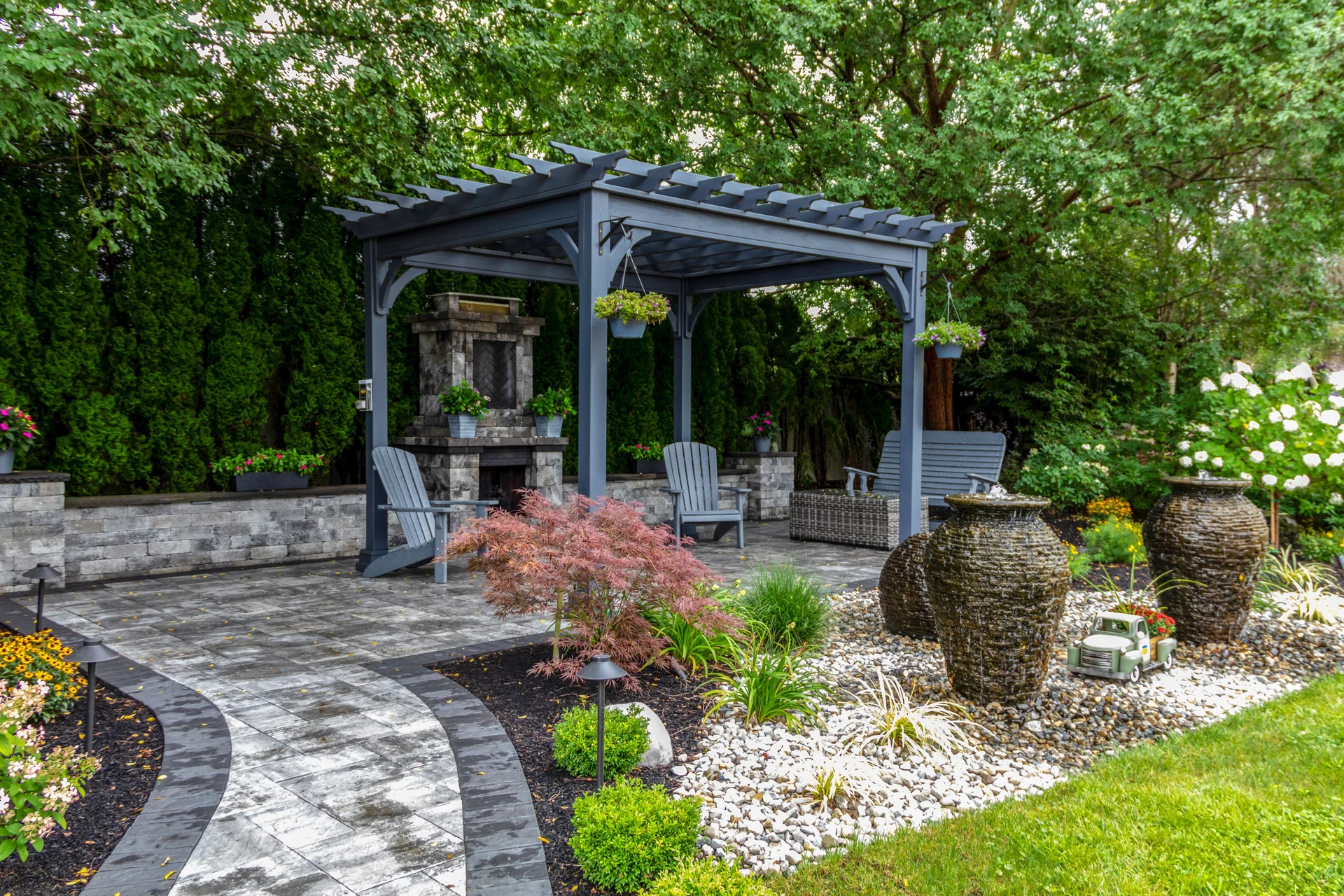
Maintenance of Bio-Swales
Maintaining a bio-swale is relatively straightforward, but regular care is essential to ensure its effectiveness. Key maintenance tasks include:
- Regular Inspection: Check for debris, erosion, or blockages that may affect water flow.
- Plant Care: Prune and manage vegetation to prevent overgrowth and maintain plant health.
- Soil Management: Replenish mulch and soil as needed to maintain infiltration rates.
Conclusion
Bio-swales offer a practical and environmentally friendly solution for managing stormwater on residential properties. By incorporating a bio-swale into your landscape, you not only contribute to water conservation efforts but also enhance the aesthetic and ecological value of your home environment. For homeowners keen on sustainable practices, bio-swales provide a harmonious blend of functionality and natural beauty.
Part of the EcoGuardian journal. This article retains its original publication context; references to grants, regulations, research, and services may have changed since publication.