As urban areas continue to expand, managing stormwater sustainably has become increasingly important. One effective solution is the implementation of bio-swale projects. These landscaped elements are designed to concentrate or remove debris and pollution from surface runoff water. Understanding how bio-swales work and their benefits can greatly contribute to sustainable urban planning.
What is a Bio-Swale?
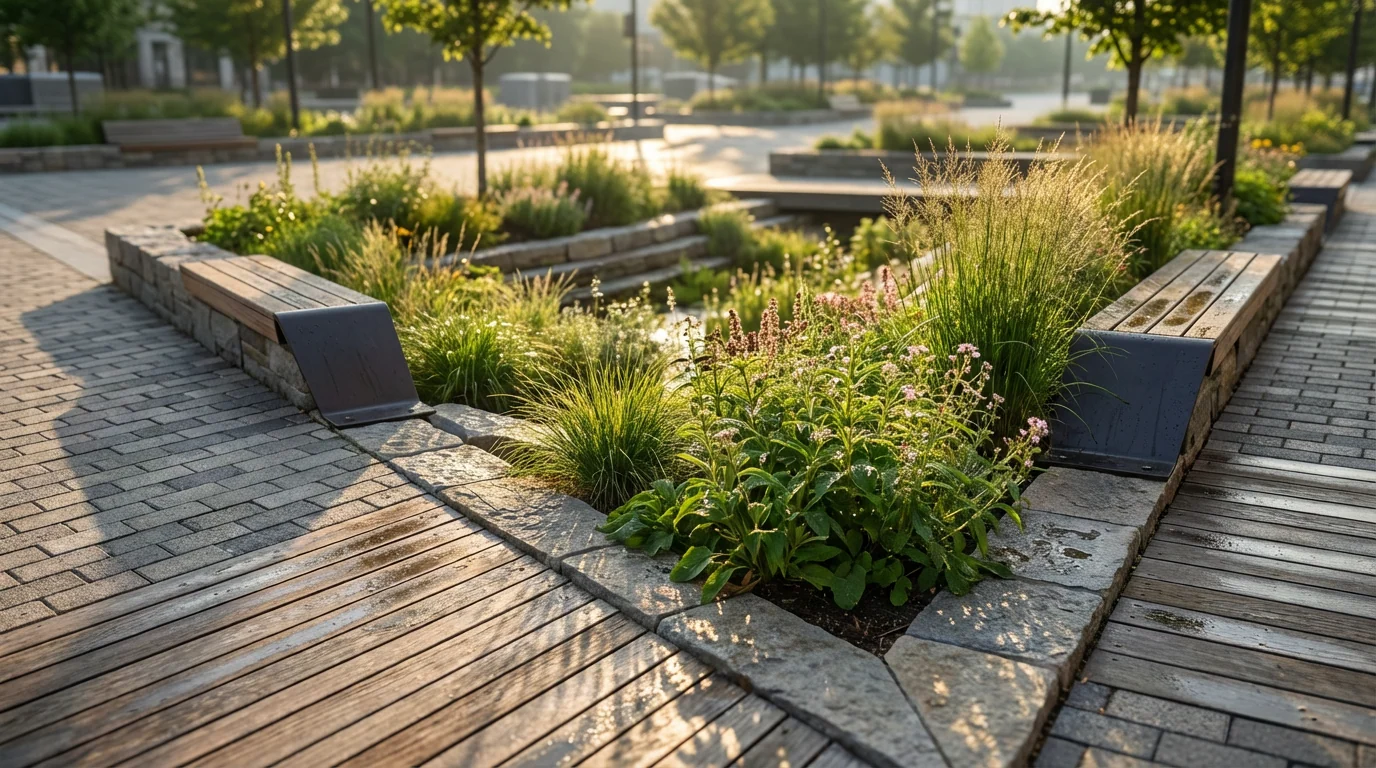
A bio-swale is a linear, vegetated channel designed to manage stormwater runoff. It mimics natural processes by allowing water to infiltrate the ground, thus reducing runoff and improving water quality. Unlike traditional drainage systems, bio-swales use vegetation and soil to filter pollutants and provide a habitat for wildlife.
Key Components of Bio-Swales
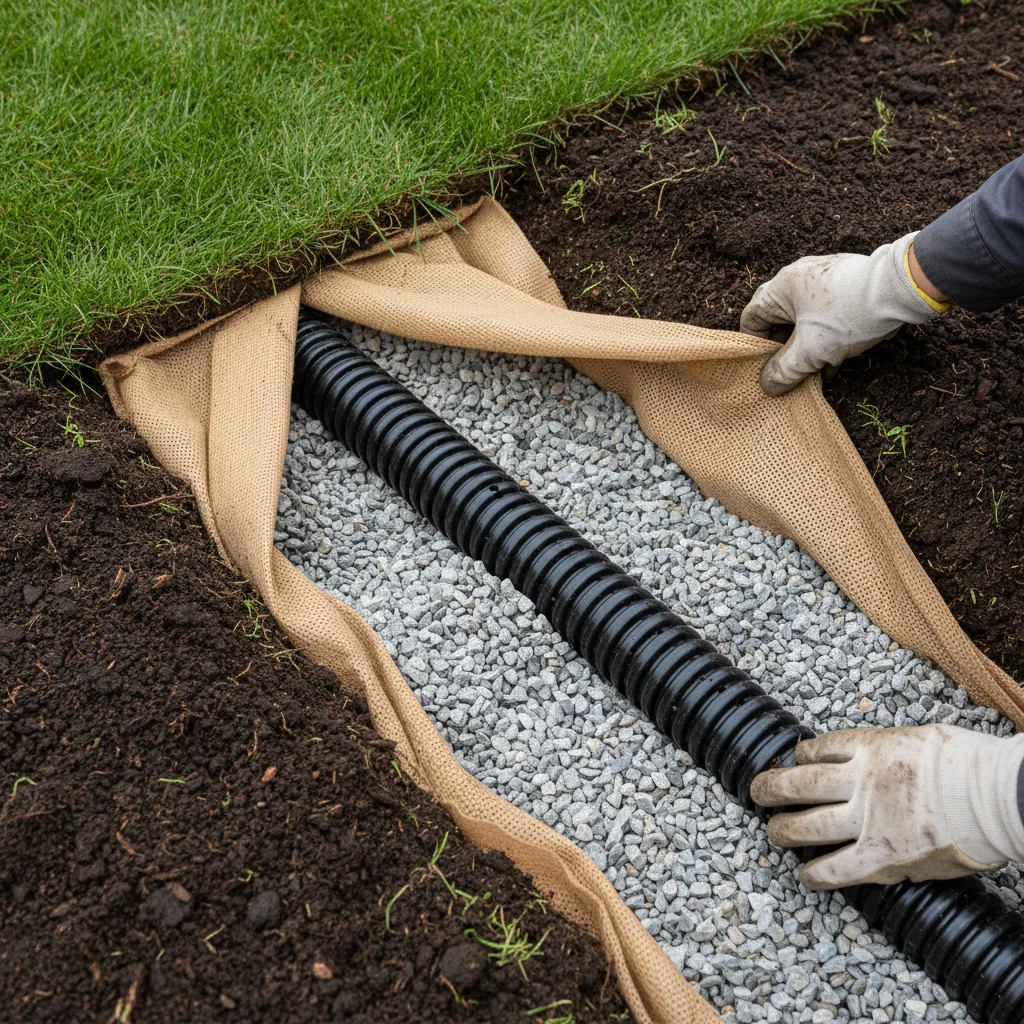
Bio-swales typically consist of several layers, each serving a specific purpose. These include:
- Vegetation: Plants help slow down water flow, enhance infiltration, and remove pollutants.
- Soil: The soil layer acts as a filter, trapping sediments and pollutants.
- Aggregate Base: This layer aids in drainage and supports the vegetation above.
Benefits of Bio-Swale Projects
Bio-swales offer numerous environmental and economic benefits, making them a favored choice in sustainable water management.
Environmental Benefits
By incorporating bio-swales, cities can significantly reduce surface runoff, which helps prevent flooding. They also improve water quality by filtering out pollutants before they reach larger water bodies. Additionally, bio-swales provide habitats for local wildlife, increasing biodiversity in urban areas.
Economic Benefits
Investing in bio-swale projects can lead to long-term cost savings. They reduce the need for traditional stormwater infrastructure, which can be expensive to install and maintain. Moreover, they enhance the aesthetic value of urban landscapes, potentially increasing property values.
Implementing Bio-Swales in Urban Areas
Implementing bio-swales requires careful planning and design, tailored to the specific needs of the area. Factors such as soil type, rainfall patterns, and existing infrastructure must be considered to ensure the project's success.
Design and Maintenance Considerations
When designing a bio-swale, selecting the right vegetation is crucial. Native plants are often preferred as they are well-adapted to local conditions and require less maintenance. Regular maintenance, including debris removal and plant care, is essential to keep the bio-swale functioning effectively.
By understanding and incorporating bio-swales into urban planning, cities can manage stormwater sustainably while reaping environmental and economic benefits. As climate change continues to pose challenges, bio-swales stand out as a resilient solution for future-ready urban landscapes.
Part of the EcoGuardian journal. This article retains its original publication context; references to grants, regulations, research, and services may have changed since publication.