Revolutionizing Environmental Impact Assessment with AI
In recent years, the integration of artificial intelligence into environmental impact assessment (EIA) has led to significant advancements. These innovations are transforming how we understand and manage our interaction with the environment. Here, we explore the top five AI innovations that are making waves in this crucial field.
1. Remote Sensing and Satellite Imagery
AI-powered remote sensing technologies have revolutionized the way we monitor environmental changes. By utilizing satellite imagery, AI algorithms can quickly analyze vast amounts of data to identify patterns and changes in land use, deforestation, and natural disasters. This enables more accurate and timely assessments compared to traditional methods.
These technologies not only improve efficiency but also enhance the accuracy of environmental assessments, allowing for better decision-making and policy development. The ability to monitor large areas remotely and in real-time is a game-changer for environmental scientists and policymakers.
2. Predictive Modeling for Climate Change
The use of AI in predictive modeling has opened new avenues for understanding and combating climate change. Machine learning algorithms can analyze historical data to predict future environmental trends, such as temperature changes, sea-level rise, and extreme weather events. This foresight is crucial for developing effective strategies to mitigate the adverse effects of climate change.
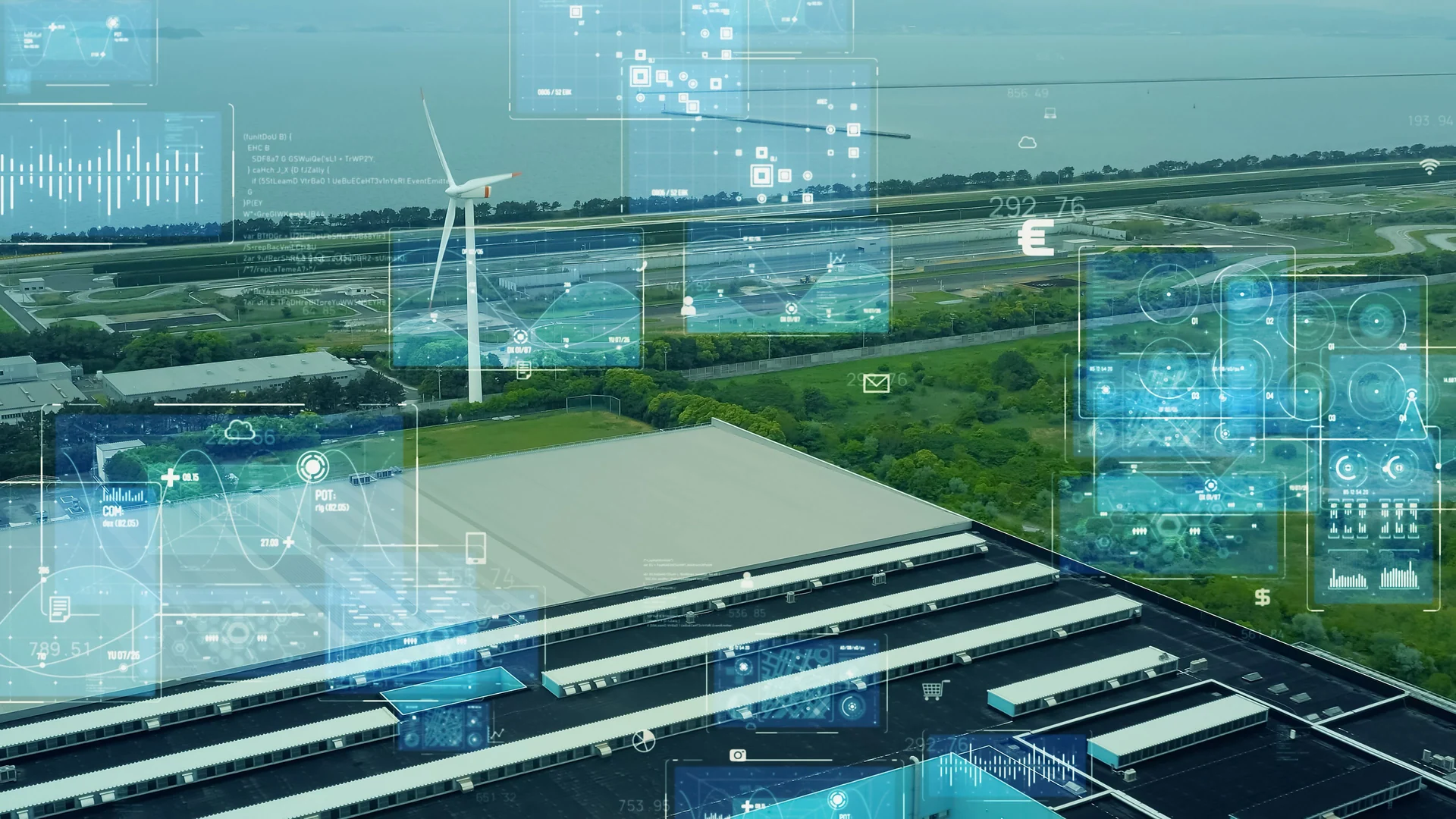
 Original AI illustration · Conceptual scene
By leveraging AI's predictive capabilities, environmentalists and governments can proactively address potential challenges, making informed decisions that help safeguard ecosystems and communities.
3. AI-Driven Biodiversity Monitoring
Biodiversity is a critical indicator of ecosystem health, and AI is playing an essential role in monitoring it. Advanced AI systems can process audio and visual data to identify and track various species in their natural habitats. This technology allows for the continuous observation of wildlife, contributing to more comprehensive biodiversity assessments.
With AI-driven monitoring, conservationists can gain valuable insights into species behavior and population trends, aiding in the development of more effective conservation strategies.
4. Natural Language Processing for Environmental Data
Natural Language Processing (NLP) is another AI innovation making its mark on environmental impact assessments. By analyzing vast amounts of unstructured data, such as research papers, reports, and social media posts, NLP can extract relevant information and provide actionable insights.

This capability allows researchers to stay updated with the latest findings and trends, ensuring that environmental assessments are based on the most current and comprehensive data available.
5. Automated Environmental Monitoring Systems
Automation is enhancing the efficiency and accuracy of environmental monitoring systems. AI-powered sensors and drones can autonomously collect and analyze environmental data, reducing the need for manual intervention. These systems can detect pollution levels, monitor air and water quality, and even track illegal activities such as poaching or deforestation.
This automation not only saves time and resources but also ensures continuous monitoring, providing real-time data that is crucial for timely decision-making and intervention.
These innovations in AI are not only advancing the field of environmental impact assessment but also paving the way for a more sustainable future. As technology continues to evolve, the potential for AI to contribute positively to environmental protection and conservation is immense.
About the illustrations
Original AI-generated artwork replaces unavailable stock images with the site owner’s approval. These are conceptual scenes, not photographs or evidence of the projects described.
- Original description: predictive modeling environment. Replaced with environmental modeling. Original source reference.

Part of the EcoGuardian journal. This article retains its original publication context; references to grants, regulations, research, and services may have changed since publication.