
Understanding Bio-Swales
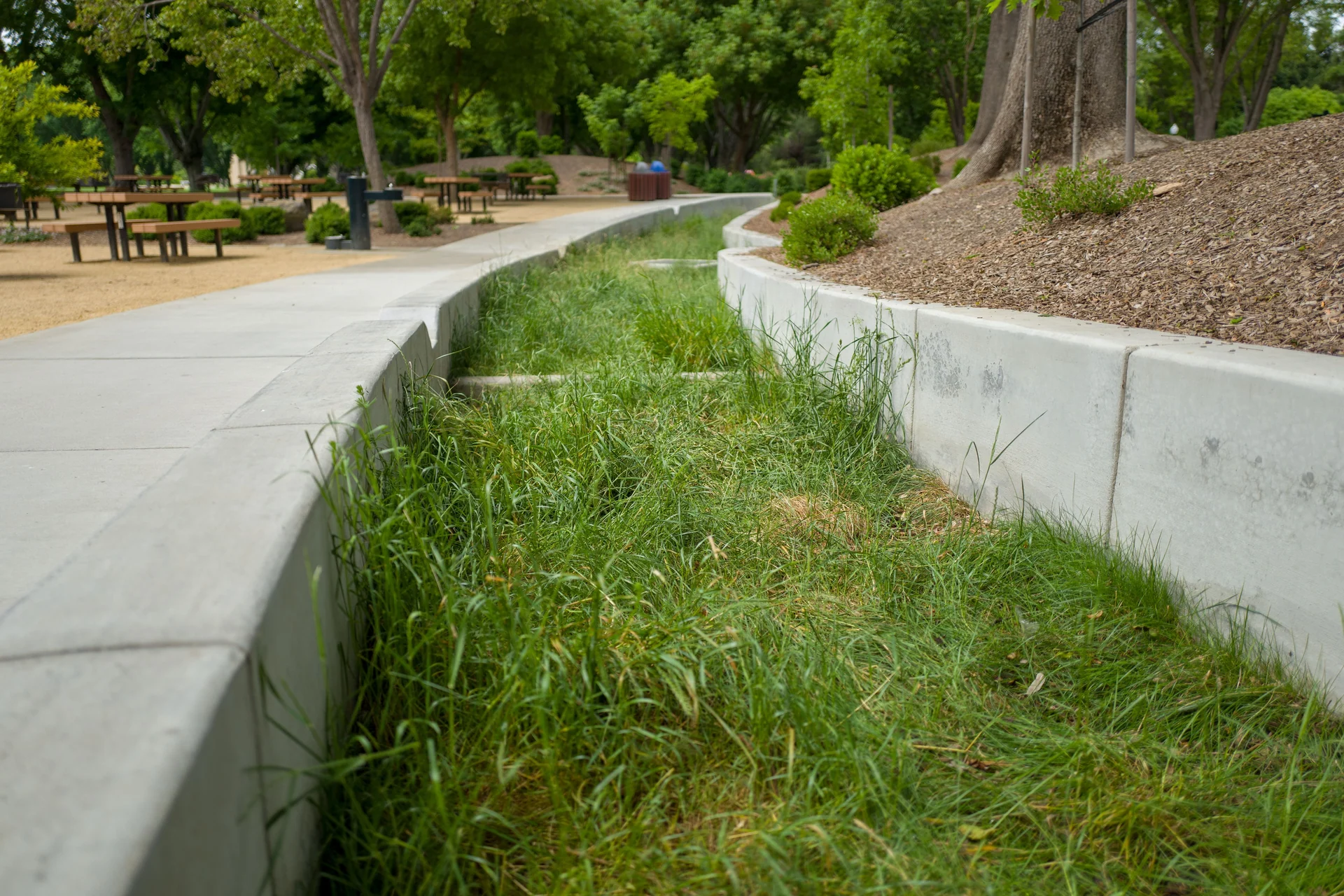
Bio-swales are innovative landscaping features designed to manage water runoff, particularly in areas prone to heavy rainfall like Florida. They are shallow, vegetated channels that slow down and filter stormwater. This natural filtration helps reduce pollutants before the water enters larger bodies of water. Implementing bio-swales in your home can significantly contribute to environmental sustainability.
Benefits of Bio-Swales
Bio-swales offer numerous advantages for homeowners, especially in Florida. They help reduce erosion and control flooding by directing water away from structures. The vegetation in bio-swales also absorbs excess nutrients and pollutants, improving water quality. Additionally, they enhance the aesthetic appeal of your landscape, providing a habitat for local wildlife.
Implementing bio-swales can also increase property value. As sustainable practices become more desirable, eco-friendly features like bio-swales can make your property stand out in the real estate market.
Planning Your Bio-Swale
Planning is crucial for a successful bio-swale. Start by analyzing your property’s topography to determine the best location. The swale should ideally be placed in a natural drainage path. Consider the size and scale of the swale based on the amount of runoff expected. Consulting with a landscape architect can provide insights into local regulations and optimal design.

Choosing the Right Plants
Plant selection is vital for the effectiveness of a bio-swale. Opt for native Florida plants that thrive in varying moisture conditions. Grasses, sedges, and rushes are excellent choices as they have deep root systems that stabilize the soil. Additionally, these plants require minimal maintenance once established, making them a sustainable choice.
- Blue Flag Iris
- Pickerelweed
- Swamp Milkweed
Construction and Maintenance
Constructing a bio-swale involves excavation, soil preparation, and planting. Start by excavating the channel and shaping it to guide water flow effectively. Line the swale with a mix of sand, gravel, and soil to facilitate drainage. After planting, regular maintenance will ensure the bio-swale functions optimally. This includes removing debris, checking for erosion, and pruning plants as needed.

Long-term Care Tips
To ensure your bio-swale remains effective, monitor it regularly, especially after heavy rain. Look for signs of erosion or blockages and address them promptly. Replenishing mulch and replacing any dead plants will maintain the swale’s health and appearance. Additionally, avoid using chemicals near the swale to prevent contamination.
By following these guidelines, you can create a sustainable and functional bio-swale that enhances your property and benefits the environment.
Part of the EcoGuardian journal. This article retains its original publication context; references to grants, regulations, research, and services may have changed since publication.