Navigating Environmental Policies with AI: A Guide for Policymakers


Understanding the Role of AI in Environmental Policy
As the urgency to address environmental challenges grows, policymakers are increasingly turning to technology for innovative solutions. Artificial Intelligence (AI) offers transformative potential in crafting and implementing effective environmental policies. By analyzing vast amounts of data, AI can uncover patterns and insights that would be impossible for humans to detect on their own.
The integration of AI in environmental policy can significantly enhance decision-making processes. From predicting climate trends to optimizing resource management, AI tools are becoming indispensable in the policymaker's toolkit. However, understanding how to effectively navigate these technologies is crucial for maximizing their benefits.
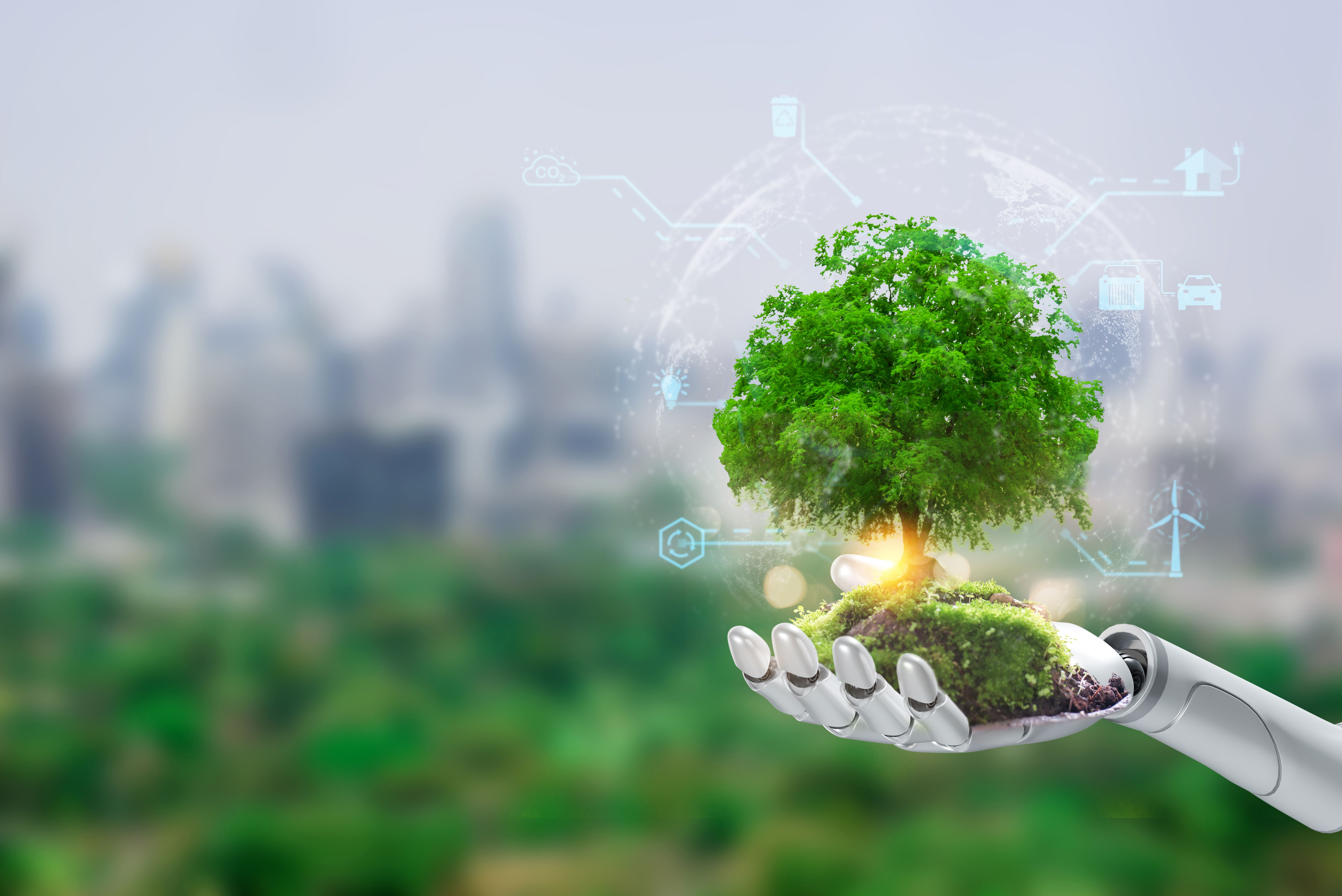
Leveraging AI for Data Analysis
One of the primary uses of AI in environmental policy is data analysis. AI algorithms can process enormous datasets from various sources such as satellites, sensors, and historical records. This capability allows for more accurate modeling of environmental phenomena, such as climate change and pollution levels.
For policymakers, AI-driven insights can lead to more informed decisions. By examining trends and forecasting future scenarios, AI can help identify the most effective interventions to mitigate environmental impacts. This proactive approach can lead to more sustainable policies and practices.
Challenges and Considerations
While AI offers significant advantages, it also presents challenges that policymakers must consider. Data quality and accessibility are critical factors that influence the effectiveness of AI applications. Ensuring that data is accurate, up-to-date, and comprehensive is essential for reliable AI analysis.

AI in Resource Management
AI is also revolutionizing resource management by optimizing the use of natural resources and reducing waste. Through predictive analytics, AI can help in forecasting resource demand and supply, ensuring that resources are used efficiently and sustainably.
For instance, AI algorithms can optimize water usage in agriculture by predicting irrigation needs based on weather forecasts and soil conditions. Similarly, AI can enhance energy efficiency by optimizing power grid operations and reducing emissions.
Implementing AI-Driven Policies
For successful implementation of AI-driven policies, collaboration between technologists, policymakers, and environmental scientists is essential. This multidisciplinary approach ensures that AI applications are not only technologically sound but also aligned with environmental goals and societal values.

Future Prospects and Innovations
The future of AI in environmental policy is promising, with continuous advancements expected to further enhance capabilities. Emerging technologies such as machine learning and neural networks are opening new avenues for innovation in environmental management.
As AI technologies evolve, policymakers must stay informed about the latest developments to leverage these tools effectively. Ongoing education and training will be crucial for adapting to the rapidly changing technological landscape and ensuring the successful integration of AI in environmental policy.
Conclusion
AI offers immense potential to transform environmental policy by providing data-driven insights and optimizing resource management. By understanding how to navigate and implement these technologies, policymakers can create more effective and sustainable solutions to address the pressing environmental challenges of our time.