Implementing Bio-Swales: A Step-by-Step Guide for Homeowners in Florida


Understanding Bio-Swales
Bio-swales are a sustainable and effective solution for managing stormwater in residential areas. These landscape elements are designed to concentrate and convey stormwater runoff while removing debris and pollution. For homeowners in Florida, implementing bio-swales can significantly enhance the aesthetic and environmental quality of their properties.
Benefits of Bio-Swales
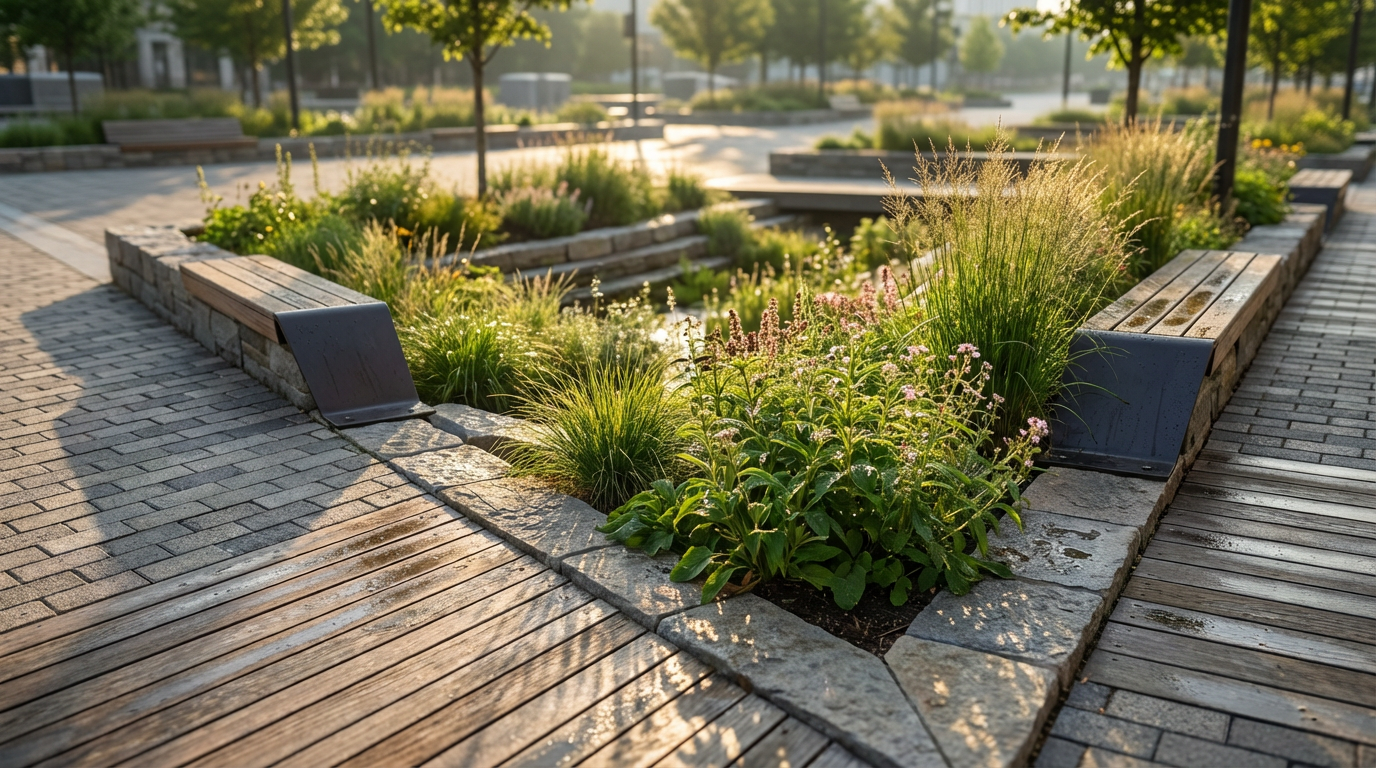
Bio-swales offer numerous advantages. They not only help in reducing flooding and erosion but also improve water quality by filtering pollutants. By integrating native plants, bio-swales can also enhance biodiversity, supporting local wildlife and creating a more resilient ecosystem.
Planning Your Bio-Swale
Before starting, it's crucial to plan carefully. Consider the layout of your property and identify the best location for your bio-swale. Ideally, it should be placed where it can intercept and channel runoff effectively. Consulting with a landscape architect or engineer can provide valuable insights.

Materials and Tools Needed
To build a bio-swale, you will need the following materials and tools:
- Native plants
- Compost or topsoil
- Gravel or stones
- Shovel and rake
- Level
Construction Steps
Follow these steps to construct a bio-swale:
- Excavate the Area: Dig a shallow trench along the desired path of the swale, ensuring it slopes gently to facilitate water flow.
- Prepare the Base: Lay down a layer of gravel or stones to promote drainage and stability.
- Add Soil and Compost: Fill the trench with a mixture of topsoil and compost to support plant growth and enhance filtration.
- Plant Vegetation: Use native plants to line the swale, focusing on species that thrive in wet conditions.
Maintenance Tips
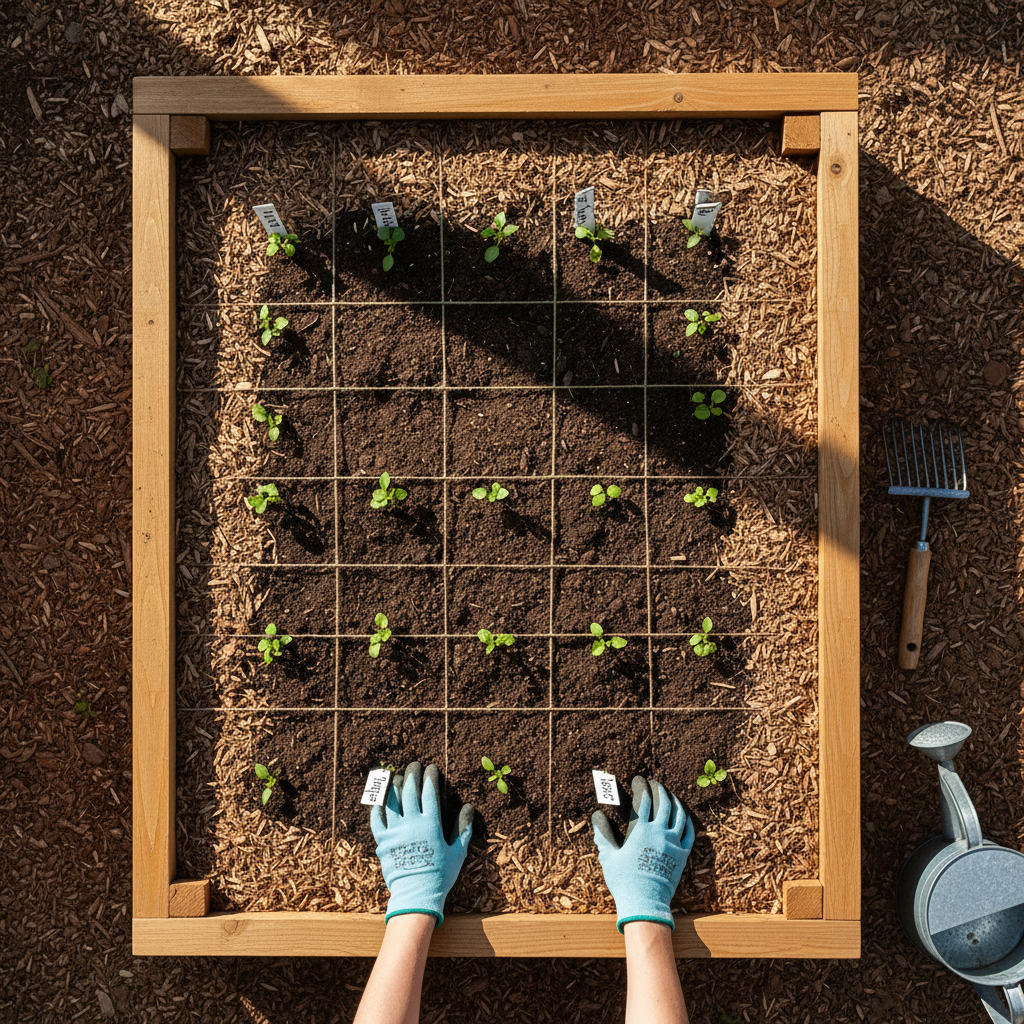
Maintaining your bio-swale is crucial for long-term success. Regularly check for blockages and remove debris. Ensure that plants are thriving and replace any that are not. Periodically, you may need to replenish soil or mulch to maintain the swale's effectiveness.
Dealing with Challenges
While bio-swales are generally low-maintenance, challenges can arise. In Florida, heavy rains can test their capacity. To address this, ensure that your swale is properly sized and consider adding overflow areas or additional drainage solutions if necessary.
Conclusion
Implementing a bio-swale in your Florida home is a practical step toward sustainable living. By following this guide, you can create a functional and attractive landscape feature that benefits both your property and the environment. Embrace the opportunity to contribute positively to your local ecosystem while enhancing the beauty and resilience of your home.