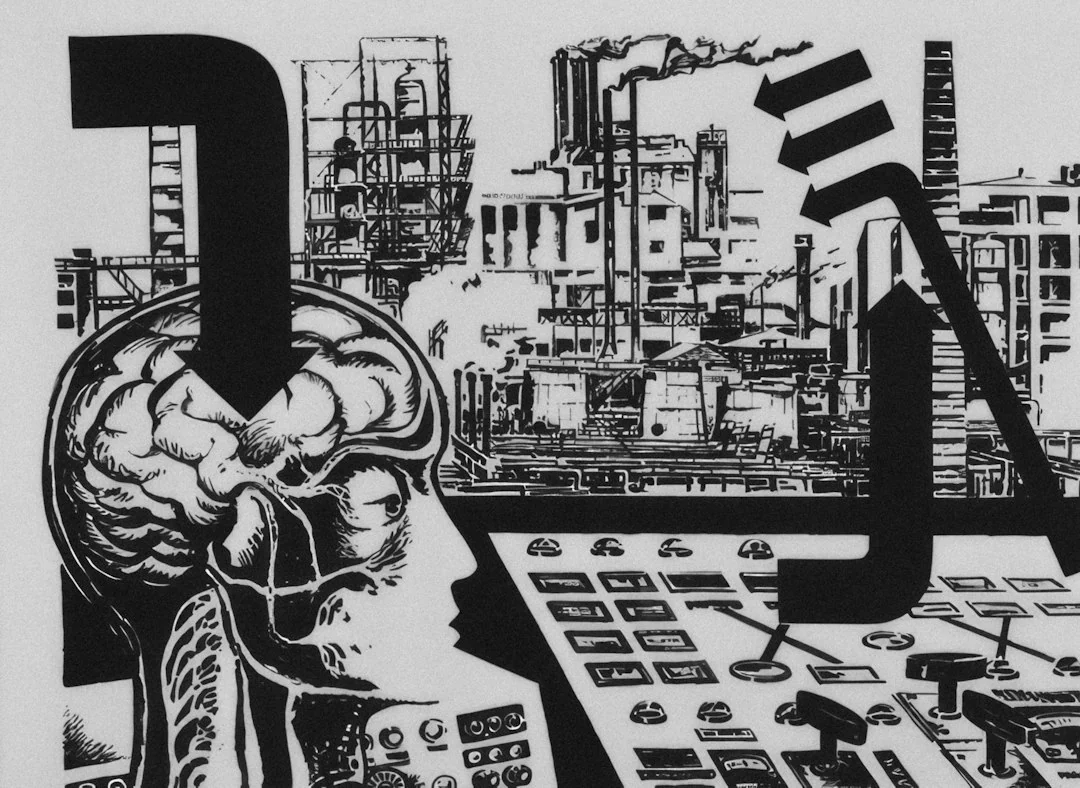
Understanding Environmental Impact Assessments
Environmental Impact Assessments (EIAs) are critical tools used to evaluate the potential environmental consequences of proposed projects. These assessments help in identifying, predicting, and evaluating the environmental effects of a project before any decision is made. As global awareness about environmental sustainability grows, EIAs have become more important than ever.
Traditionally, EIAs have relied on manual data collection and analysis, which can be both time-consuming and prone to human error. However, the integration of technology, particularly Artificial Intelligence (AI), is revolutionizing the way these assessments are conducted, offering more precise and efficient results.

The Role of AI in Environmental Impact Assessments
AI technologies are transforming EIAs by providing advanced data collection and analysis capabilities. Through machine learning algorithms and data analytics, AI can process vast amounts of environmental data more quickly and accurately than traditional methods. This technology enables stakeholders to make informed decisions regarding project feasibility and environmental sustainability.
AI also aids in predictive modeling, allowing for the simulation of different scenarios and their potential impacts. This predictive capability is crucial for understanding long-term environmental consequences, thereby assisting in the development of more sustainable project plans.

Enhancing Data Accuracy and Efficiency
One of the significant advantages of using AI in EIAs is the enhancement of data accuracy. By leveraging AI, environmental consultants can eliminate much of the subjectivity and error associated with manual data collection. AI algorithms can analyze data from various sources, including satellite imagery, sensors, and historical records, ensuring a comprehensive assessment.
This increased accuracy leads to more reliable assessments, reducing the likelihood of unforeseen environmental impacts and improving the overall decision-making process.
AI-Driven Decision Support Systems
AI-driven decision support systems are becoming an integral part of EIAs. These systems can provide stakeholders with interactive and user-friendly tools to visualize potential project impacts. By using AI to present data in an accessible format, decision-makers can engage more effectively with the assessment findings.

Such systems also facilitate communication between various stakeholders, promoting transparency and collaboration. This collaborative approach ensures that all parties are well-informed and can contribute to sustainable project development.
Challenges and Considerations
While AI offers numerous benefits for EIAs, there are challenges to consider. Data privacy concerns, the need for substantial computational resources, and the requirement for skilled personnel to manage AI systems are some of the hurdles that organizations may face.
Moreover, it's essential to ensure that AI models are trained with diverse and representative datasets to avoid biased outcomes. Addressing these challenges is vital to fully leverage AI's potential in environmental impact assessments.

The Future of EIAs with AI
As AI technology continues to advance, its integration into EIAs is expected to grow. Future developments may include more sophisticated predictive models, improved real-time data processing, and enhanced stakeholder engagement tools. These advancements will further solidify AI's role in promoting sustainable development practices.
By embracing AI, organizations can not only improve the efficiency and accuracy of EIAs but also contribute to a more sustainable and environmentally conscious future.
Part of the EcoGuardian journal. This article retains its original publication context; references to grants, regulations, research, and services may have changed since publication.