Introduction to Bio-Swales
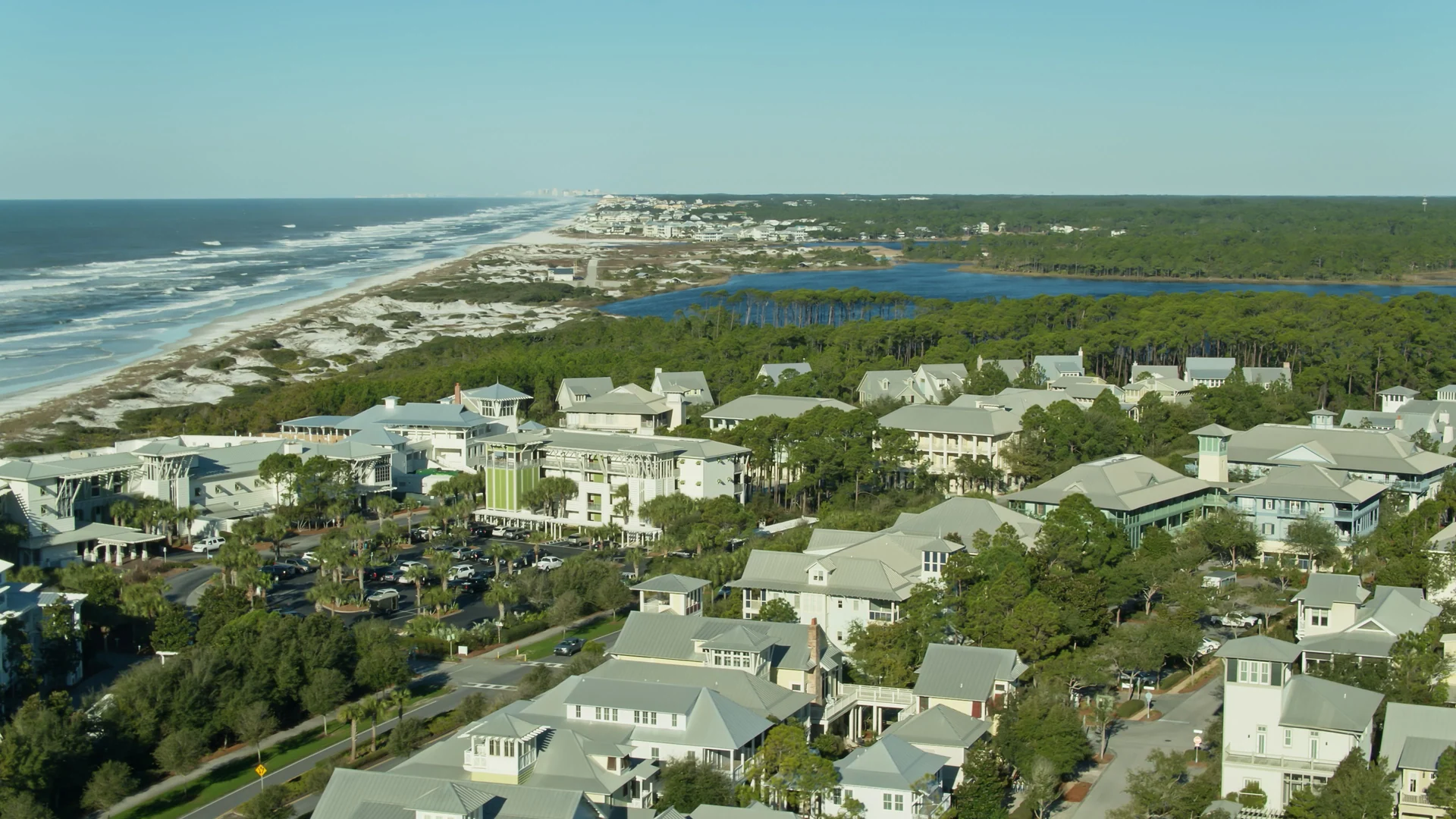
Bio-swales are innovative landscape elements designed to manage water runoff, improve water quality, and enhance the environment. In Walton County, these green infrastructure solutions have been implemented with significant success, providing both ecological and community benefits. This case study explores several successful bio-swale projects in the area.
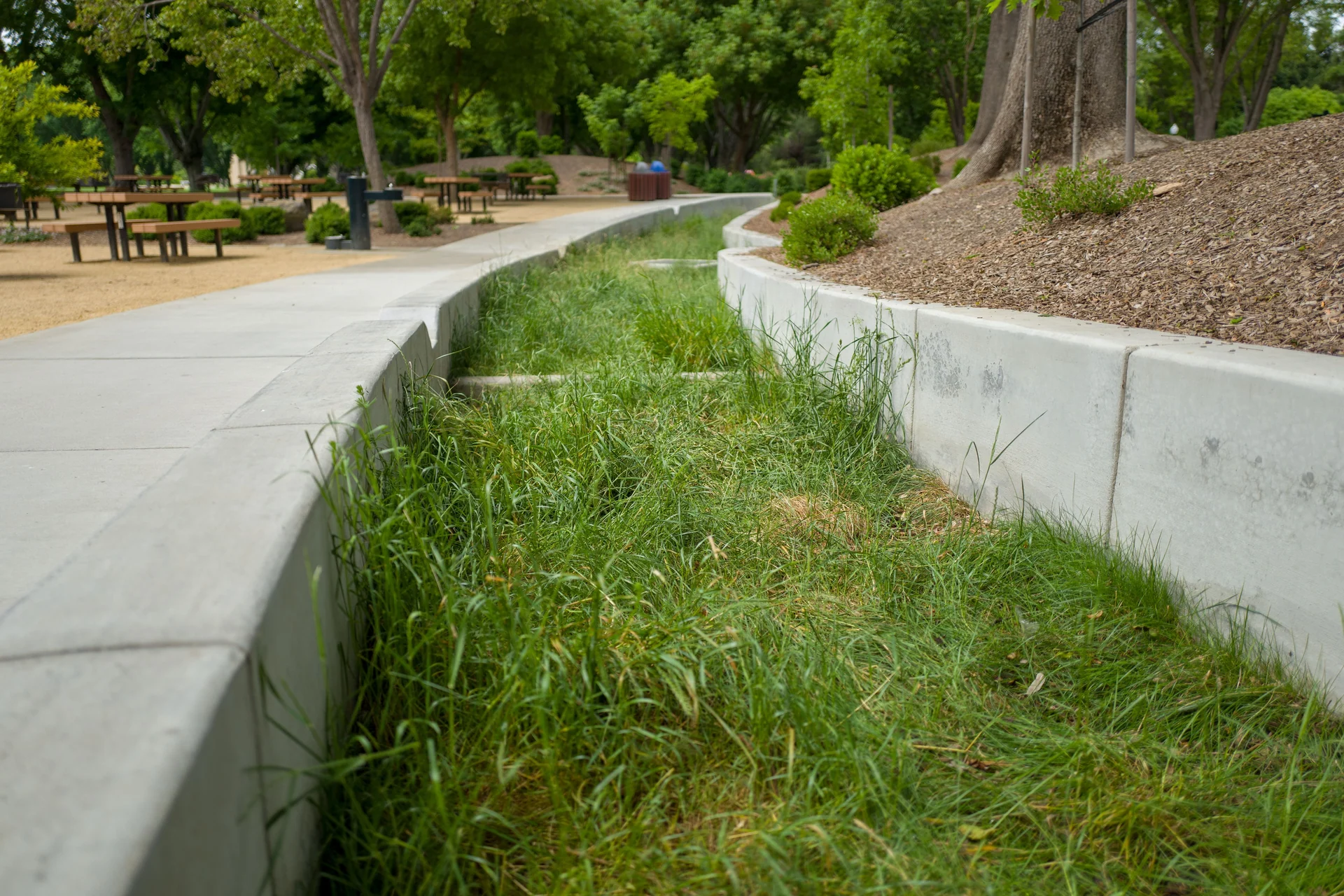
Bio-swales are designed to mimic natural processes by using vegetation and soil to filter pollutants from stormwater. They are typically installed along roadsides, parking lots, and urban areas to capture and treat runoff before it reaches larger water bodies.
Project Overview
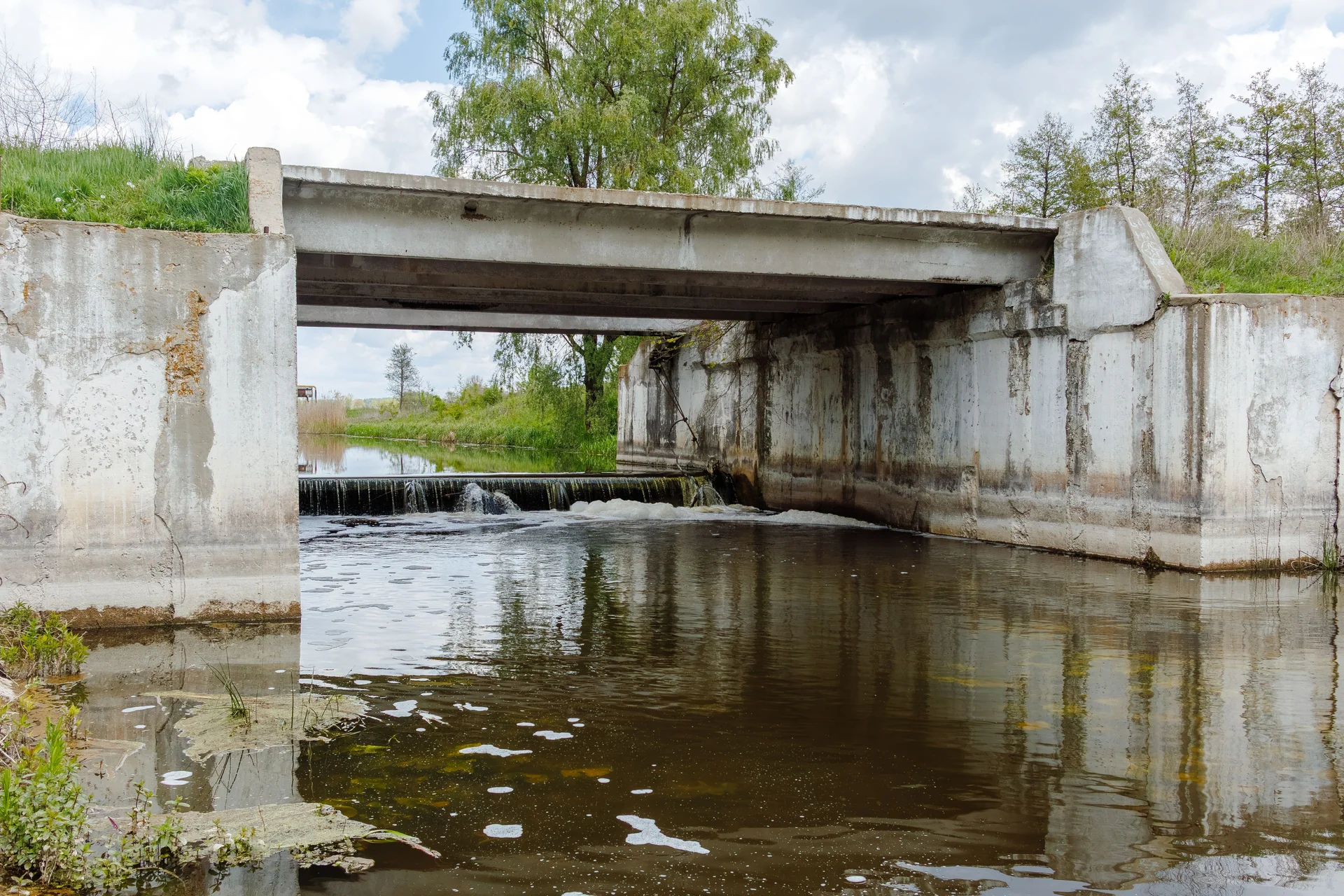
Walton County has implemented multiple bio-swale projects to tackle the challenges of stormwater management. These projects have been strategically placed in key areas that were previously prone to flooding and water pollution. The county's commitment to sustainable practices has led to the successful completion of these initiatives.
The projects focus on reducing the impact of urban runoff, enhancing local biodiversity, and improving water quality. By incorporating native plants and soil mixtures, these bio-swales efficiently filter pollutants and promote groundwater recharge.
Key Objectives
The primary objectives of the bio-swale projects in Walton County include:
- Reducing stormwater runoff and flooding.
- Improving water quality by filtering pollutants.
- Enhancing local biodiversity through native plantings.
- Promoting sustainable urban development practices.
Community Impact
The implementation of bio-swales in Walton County has led to numerous positive impacts on the local community. Residents have reported reduced flooding in previously affected areas, leading to improved safety and property values. Additionally, the aesthetic enhancement provided by these green spaces has contributed to the overall beautification of urban environments.
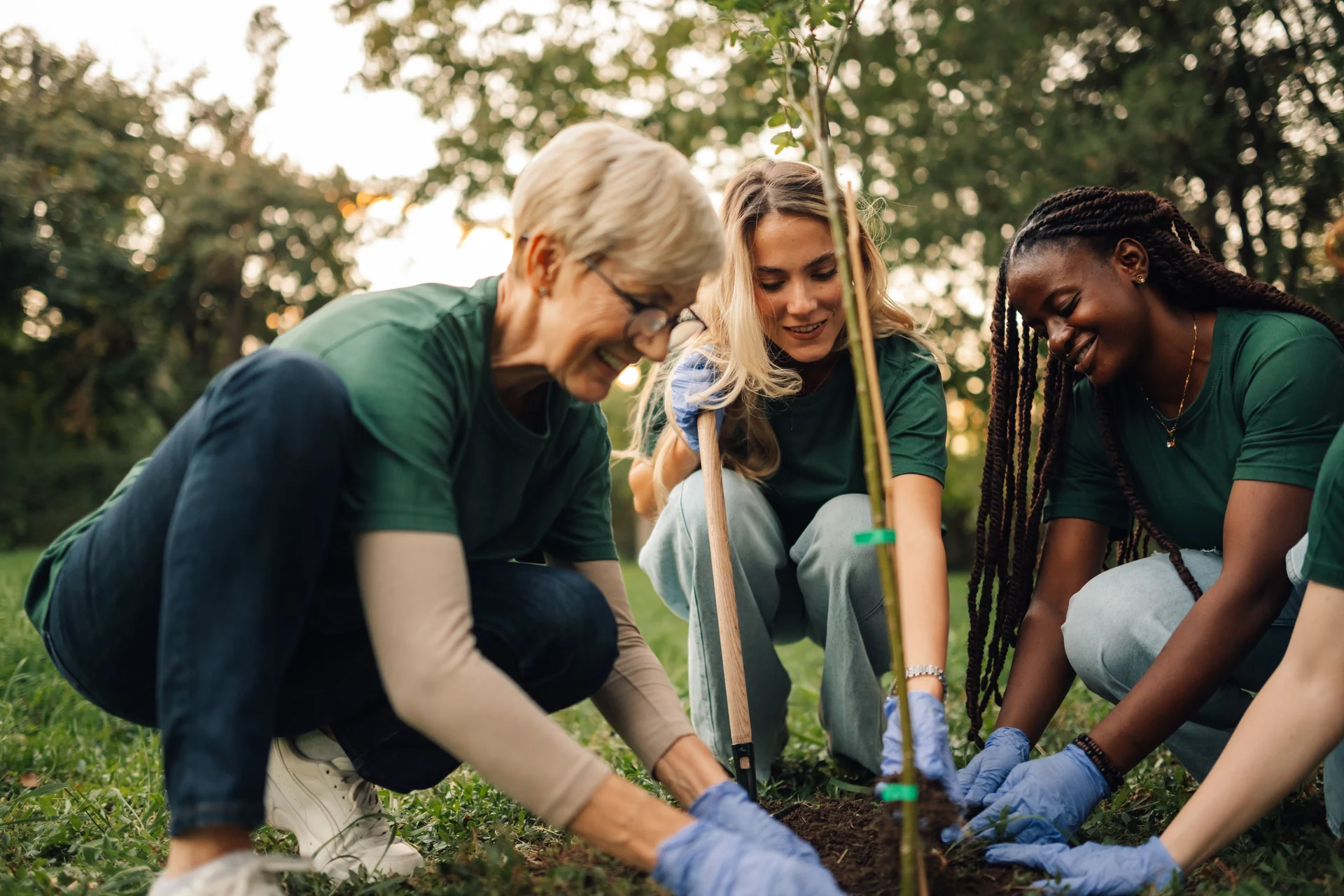
Community engagement has been a crucial aspect, with local residents participating in planting and maintenance efforts. This collaboration has fostered a sense of ownership and stewardship, encouraging ongoing support for ecological initiatives.
Environmental Benefits
Beyond community impact, the environmental benefits of these bio-swales are significant. By reducing the volume of untreated stormwater entering local waterways, these projects have helped improve the health of aquatic ecosystems. The use of native plants not only filters pollutants but also supports local wildlife habitats.
Furthermore, bio-swales contribute to carbon sequestration, helping to mitigate the effects of climate change. By capturing and storing carbon dioxide, these green infrastructures play a role in reducing the overall carbon footprint of the area.
Challenges and Lessons Learned
While the bio-swale projects in Walton County have been largely successful, they have not been without challenges. Initial installation costs and ongoing maintenance are important considerations. However, the long-term benefits far outweigh these challenges, providing a sustainable solution for stormwater management.
Lessons learned from these projects emphasize the importance of community involvement and selecting appropriate plant species for effective pollutant filtration and biodiversity support. Continuous monitoring and adaptive management have also been key to ensuring the success of these initiatives.

Conclusion
The bio-swale projects in Walton County serve as an exemplary model for sustainable urban development. By addressing stormwater management challenges and enhancing environmental quality, these initiatives demonstrate the power of nature-based solutions. As more communities recognize the benefits of bio-swales, Walton County's projects provide valuable insights and inspiration for future developments.
Part of the EcoGuardian journal. This article retains its original publication context; references to grants, regulations, research, and services may have changed since publication.