Understanding Bio-Swales
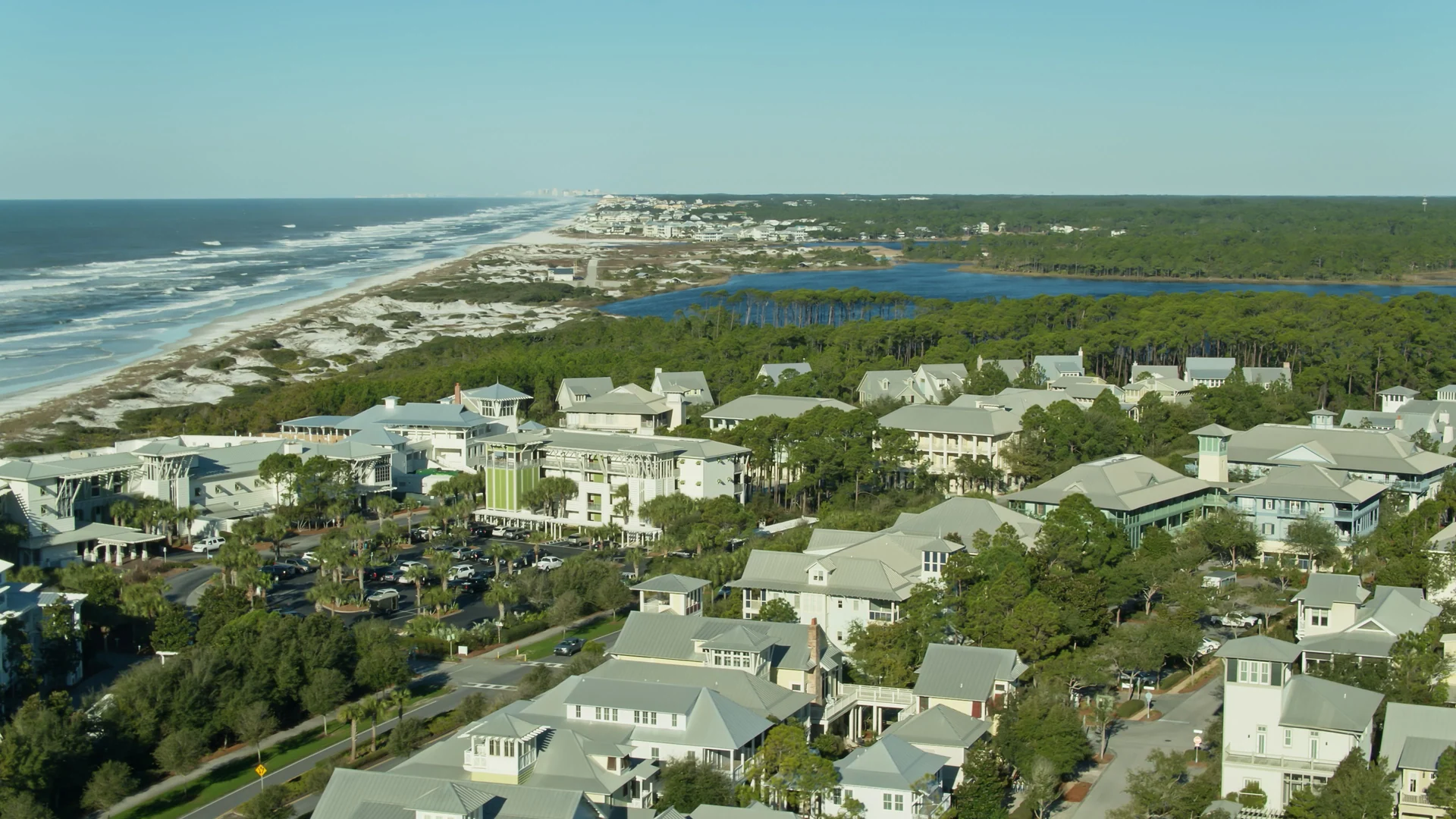
Bio-swales are landscape elements designed to manage water runoff, filter pollutants, and increase groundwater recharge. They are particularly beneficial in areas prone to heavy rainfall, such as Walton County. By incorporating bio-swales into your property, you can contribute to a healthier ecosystem while enhancing the beauty of your landscape.
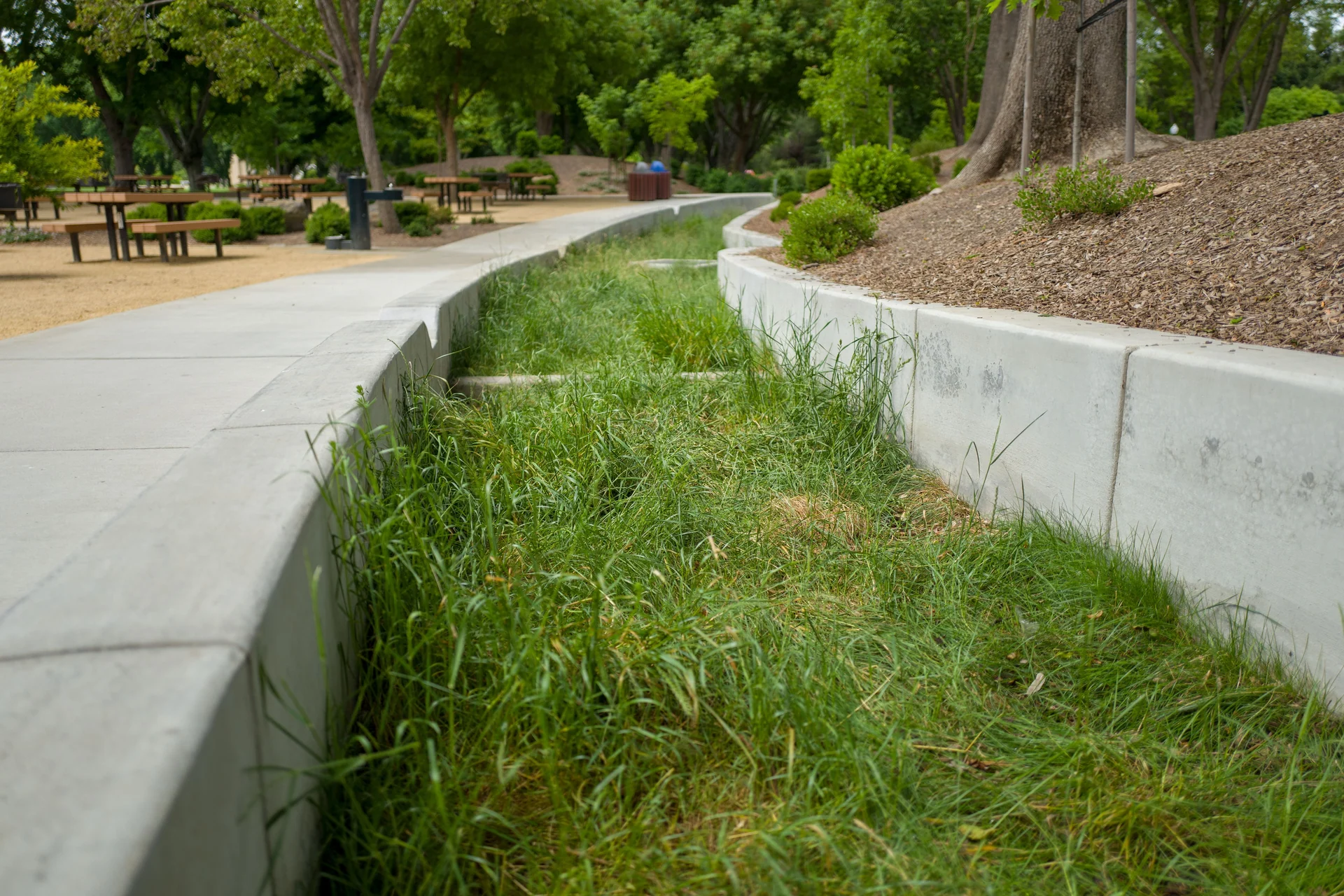
These natural drainage systems use vegetation and soil to slow down and clean runoff from impervious surfaces like driveways and roofs. By mimicking natural processes, bio-swales effectively reduce the impact of urbanization on the environment.
Benefits of Bio-Swales for Homeowners
Implementing a bio-swale on your property offers numerous advantages. First, it helps in reducing the risk of flooding by efficiently directing stormwater away from your home. Additionally, bio-swales improve water quality by filtering out pollutants and sediments before they reach local waterways.
Another significant benefit is the enhancement of local biodiversity. By planting native vegetation, you create habitats for local wildlife, promoting a healthy ecosystem. Moreover, bio-swales can increase your property value by adding aesthetic appeal to your landscape.
Planning Your Bio-Swale Project
Before starting a bio-swale project, it's essential to assess your property's specific needs. Consider the topography, soil type, and existing drainage patterns. Consulting with a landscape architect or environmental engineer can provide valuable insights and help you design an effective system.
Once you've analyzed your property, determine the best location for the bio-swale. It should be placed where water naturally flows, such as alongside driveways or at the base of slopes. Ensure that the area receives adequate sunlight to support plant growth.

Choosing the Right Plants
Selecting the appropriate vegetation is crucial for the success of your bio-swale. Native plants are highly recommended as they are well-adapted to local conditions and require less maintenance. They also provide food and habitat for local wildlife.
Consider using a mix of grasses, shrubs, and flowering plants to create a diverse and resilient ecosystem. Popular choices in Walton County include switchgrass, blue flag iris, and river birch.
Installation and Maintenance
Once you've finalized your design and plant selection, it's time to install the bio-swale. Begin by excavating the designated area to create a shallow, gently sloping channel. Line the base with a layer of gravel to facilitate drainage, and cover it with a mix of soil and compost to support plant growth.
After planting, it's essential to maintain your bio-swale to ensure its effectiveness. Regularly remove debris and weeds, and monitor the growth of your plants. During the first few years, supplemental watering and fertilization may be necessary to establish the vegetation.
Long-Term Impact
Investing in a bio-swale not only benefits your property but also has a positive impact on the broader community. By reducing runoff and improving water quality, you contribute to the health of local waterways and the environment.
As more homeowners in Walton County adopt bio-swales, the collective effect can lead to significant environmental improvements, making these projects a worthwhile endeavor for any eco-conscious homeowner.
Part of the EcoGuardian journal. This article retains its original publication context; references to grants, regulations, research, and services may have changed since publication.