
Are you looking to enhance your property's landscaping while also benefiting the environment? Implementing a bio-swale could be the perfect solution. Bio-swales are sustainable landscaping features designed to manage water runoff, improve water quality, and enhance the aesthetic appeal of your property.
Understanding Bio-Swales
Bio-swales are essentially shallow, vegetated ditches that help slow down and filter stormwater runoff. They are designed to capture rainwater and allow it to infiltrate the ground slowly. This process reduces the risk of flooding and erosion while filtering pollutants from the water.
By incorporating native plants, bio-swales can also create habitats for local wildlife, adding to the ecological value of your property. Whether you are a homeowner or a business owner, implementing a bio-swale can be a rewarding project.

Getting Started with Your Bio-Swale Project
Site Assessment
Before you begin, it's crucial to assess your site. Determine where water naturally flows on your property. Look for areas with poor drainage or places that collect excess water during heavy rains. These spots are ideal for a bio-swale.
Consider the slope of your land. A gentle slope is best for a bio-swale, as it allows water to flow naturally without eroding the soil. If you're unsure about your property's topography, consulting with a landscape professional can be helpful.
Designing Your Bio-Swale
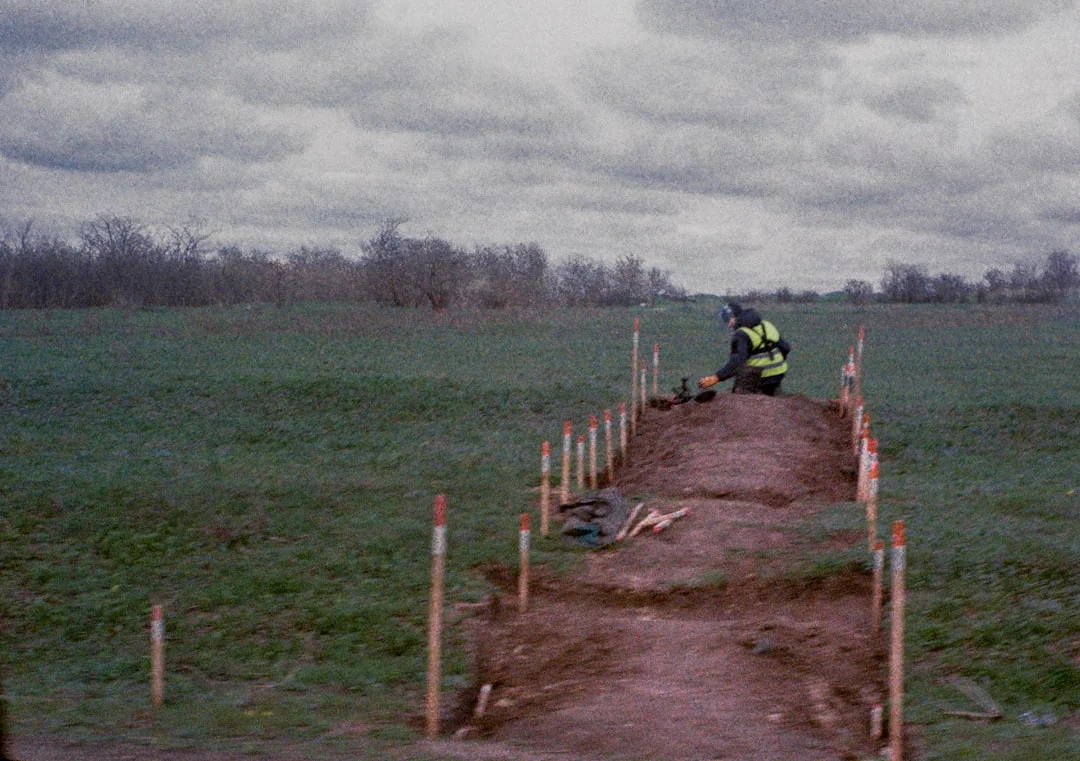
Once you've identified a suitable location, it's time to design your bio-swale. Consider the size and shape of the swale, ensuring it can handle the volume of water runoff expected. The swale should be wide and shallow, with gently sloping sides.
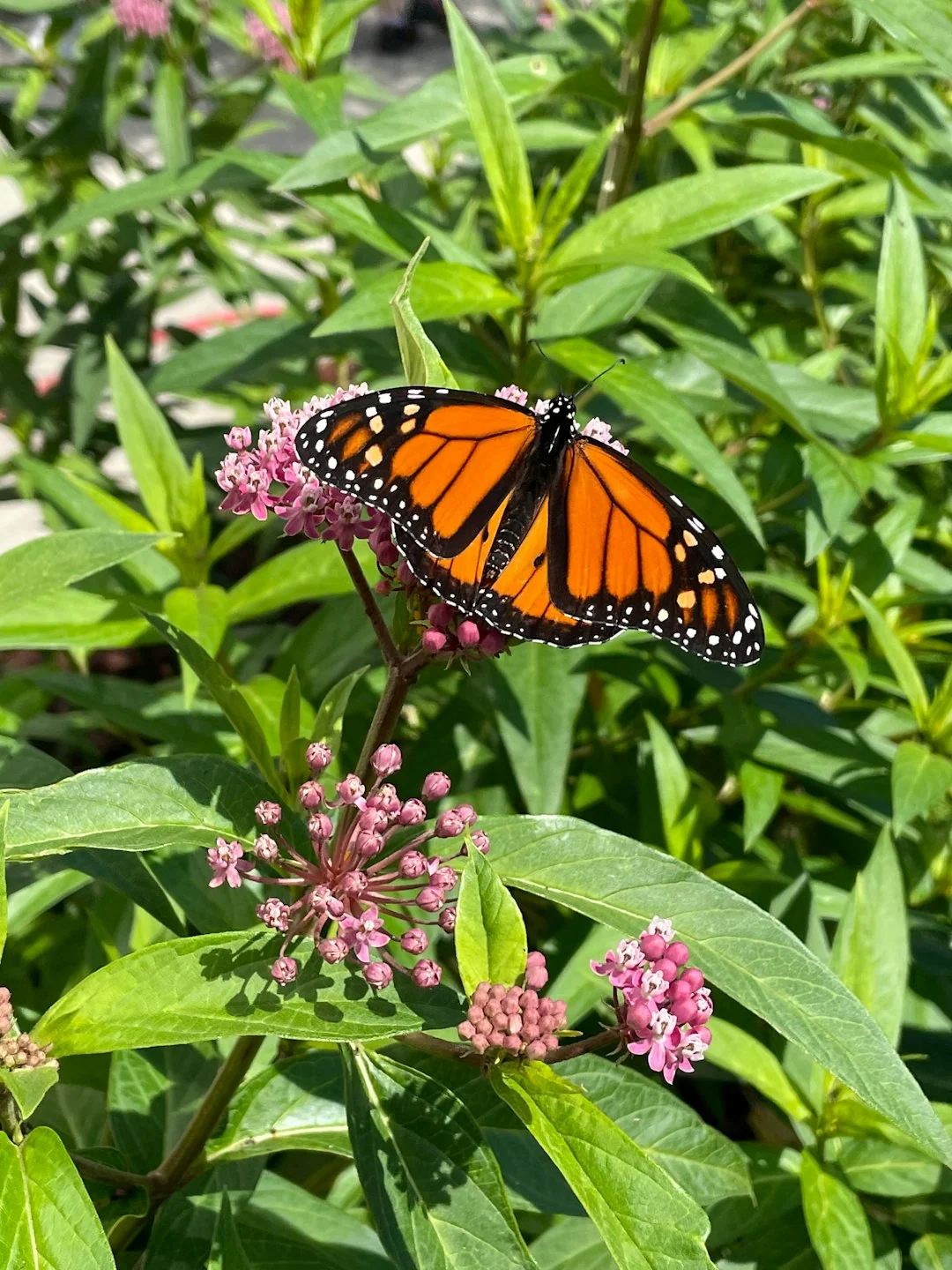
Incorporate native plants, which are adapted to the local climate and require less maintenance. Plant species that thrive in wet conditions, such as grasses and perennials, are ideal choices. These plants will help filter pollutants and support local biodiversity.
Construction and Maintenance
Building the Bio-Swale
Excavation is the first step in building your bio-swale. Remove soil to create the desired shape, ensuring a slight slope to facilitate water flow. Line the swale with a layer of gravel or stones to prevent erosion and improve drainage.
Next, plant your selected vegetation. It's essential to water the plants adequately until they establish themselves. Mulching can help retain moisture and suppress weeds, promoting healthy plant growth.
Maintaining Your Bio-Swale
Regular maintenance is key to a successful bio-swale. Monitor plant health and replace any dead or dying plants. Remove debris and sediment buildup to maintain water flow. Periodic weeding will keep the swale looking tidy and functioning effectively.
With proper care, your bio-swale will continue to provide environmental benefits and enhance your property's beauty for years to come.

Conclusion
Implementing a bio-swale on your property is a practical and environmentally friendly way to manage stormwater runoff. By following these steps, you can create a sustainable landscape feature that not only improves water quality but also adds aesthetic and ecological value to your space.
Whether you're a beginner or an experienced gardener, a bio-swale project is a rewarding endeavor that contributes positively to both your property and the environment.
Part of the EcoGuardian journal. This article retains its original publication context; references to grants, regulations, research, and services may have changed since publication.