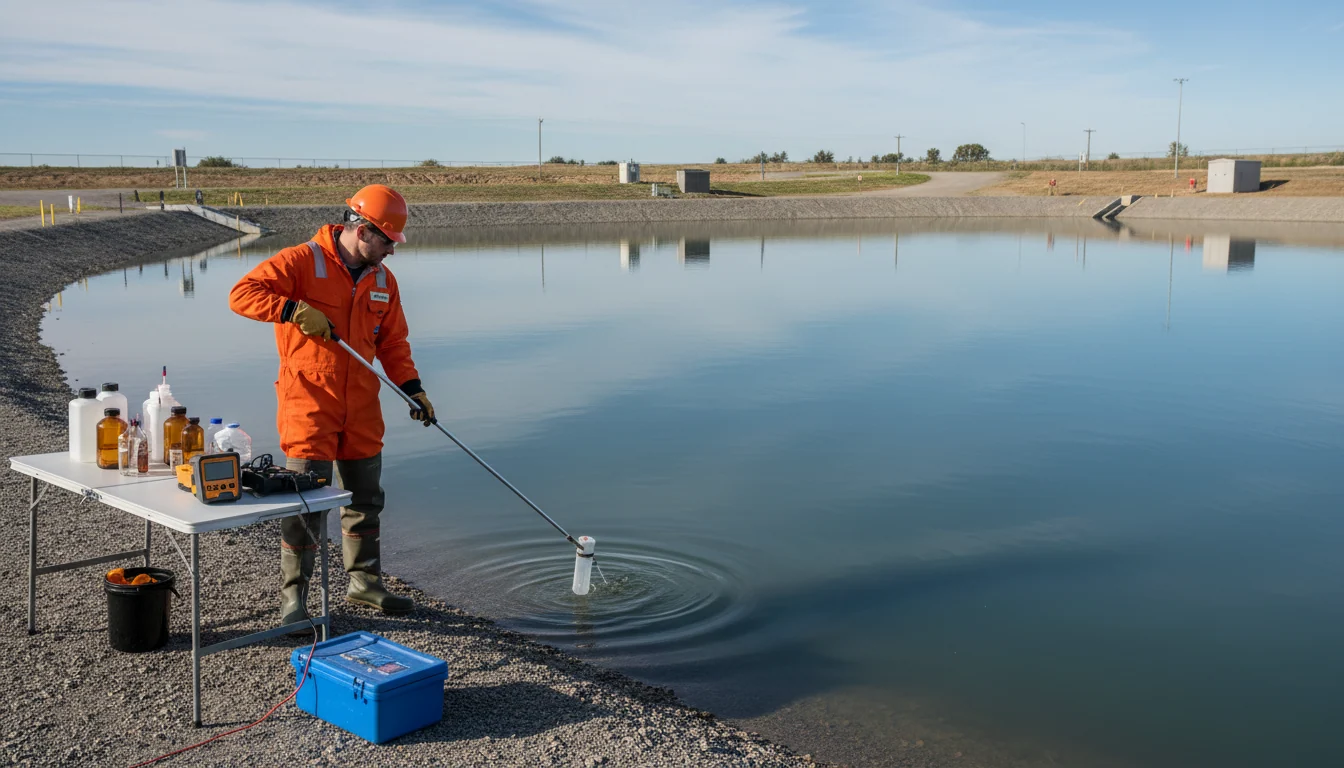
Understanding PFAS: A Growing Environmental Concern
Per- and polyfluoroalkyl substances (PFAS) are a group of man-made chemicals that have been widely used in various industries around the globe. Their resistance to water, grease, and stains has made them popular in products like non-stick cookware, water-repellent clothing, and firefighting foams. However, their persistence in the environment and potential health impacts have raised significant concerns among environmental professionals.

The Role of AI in Environmental Science
Artificial Intelligence (AI) is revolutionizing the way we approach environmental challenges. By leveraging AI tools, environmental professionals can analyze vast amounts of data more efficiently, leading to better decision-making processes. This is particularly important in understanding and managing the impact of PFAS on our ecosystems and health.
AI can quickly process large datasets, identify patterns, and predict future trends. This ability is crucial in tracking the spread of PFAS and assessing their concentration in different environments. It also helps in developing strategies for mitigating their effects.
Data Collection and Analysis
One of the primary ways AI assists in managing PFAS is through enhanced data collection and analysis. Sensors and monitoring tools equipped with AI algorithms can continuously collect data from various sources, including water bodies and soil samples. This data is then analyzed to detect the presence and levels of PFAS.

Predictive Modeling
Predictive modeling is another area where AI shows its strength. By using historical data and current observations, AI systems can predict how PFAS will spread in a given area over time. This allows environmental professionals to take proactive measures to contain and reduce the spread of these substances.
With AI-driven predictive models, it's possible to simulate different scenarios and evaluate the effectiveness of various intervention strategies. This level of foresight is invaluable in managing environmental risks associated with PFAS.

Innovations in Remediation Techniques
AI is also contributing to the development of innovative remediation techniques. Traditional methods of removing PFAS from the environment can be costly and time-consuming. AI helps in designing more efficient and cost-effective solutions by optimizing existing technologies and exploring new approaches.
- AI-enhanced filtration systems
- Bioremediation techniques using AI-controlled processes
- Development of advanced materials for PFAS adsorption
Collaborative Efforts and Future Prospects
Collaboration between AI experts, environmental scientists, and policymakers is crucial for tackling the PFAS challenge. By working together, these groups can leverage AI's full potential to develop comprehensive strategies for managing PFAS pollution.
The future looks promising as AI continues to evolve, offering new tools and solutions for environmental challenges. As we gain a better understanding of PFAS and their impacts, AI will play an increasingly vital role in ensuring a safer and cleaner environment for all.
Part of the EcoGuardian journal. This article retains its original publication context; references to grants, regulations, research, and services may have changed since publication.