
Florida, known for its beautiful landscapes and diverse ecosystems, is embracing sustainable urban development through the implementation of green infrastructure. As urban areas expand, the need for environmentally friendly solutions becomes increasingly crucial. In this guide, we'll explore what green infrastructure is and how it plays a vital role in Florida's urban development.
What is Green Infrastructure?
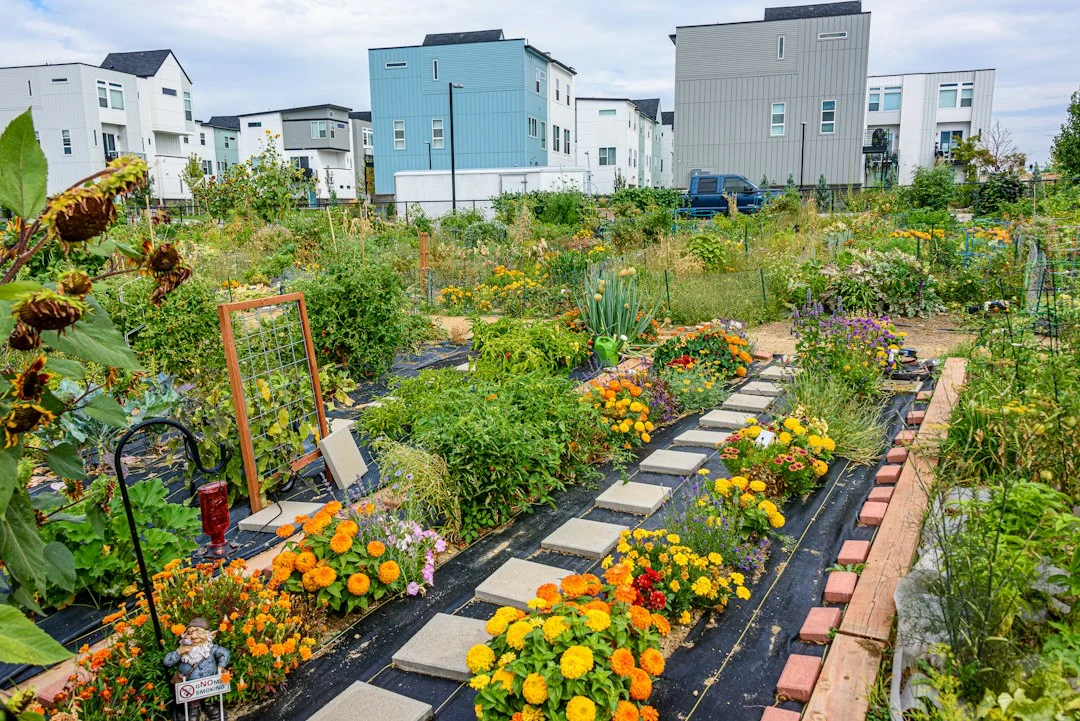
Green infrastructure refers to a network of natural and semi-natural systems that provide environmental, economic, and social benefits. Unlike traditional infrastructure, which often involves concrete and steel, green infrastructure focuses on sustainability and resilience. It includes elements like parks, green roofs, permeable pavements, and rain gardens.
These systems work together to manage stormwater, improve air quality, and enhance biodiversity. By integrating nature into urban planning, cities can reduce their carbon footprint and create healthier living environments.
The Importance of Green Infrastructure in Florida
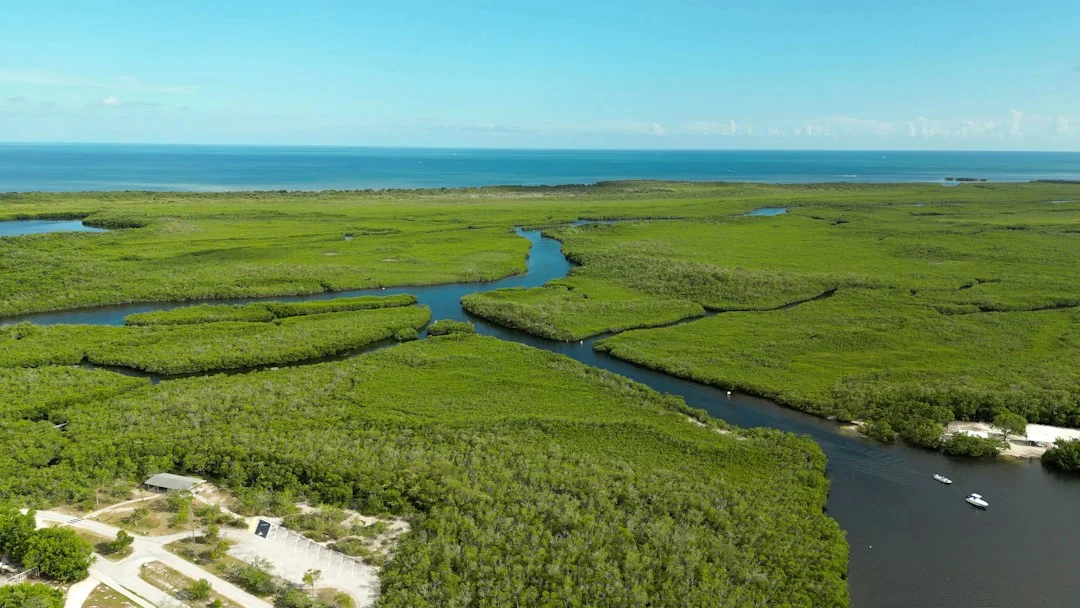
Florida's unique climate and geography make it an ideal candidate for green infrastructure solutions. The state's frequent rainfall and susceptibility to hurricanes require innovative approaches to water management. Green infrastructure helps mitigate flooding by absorbing and redirecting stormwater, reducing the burden on traditional drainage systems.
Moreover, green infrastructure contributes to the preservation of Florida's rich biodiversity. By creating habitats within urban settings, cities can support local wildlife and promote ecological balance. This not only benefits the environment but also enhances the quality of life for residents.
Economic Benefits
Investing in green infrastructure can lead to significant economic advantages. It often requires less maintenance than conventional systems and can increase property values. Furthermore, green spaces attract tourism and provide recreational opportunities, contributing to local economies.

Implementing Green Infrastructure
The successful implementation of green infrastructure in Florida involves collaboration between government agencies, private developers, and communities. Policies and regulations that support sustainable practices are essential. Cities like Miami and Orlando are already leading the way with innovative projects that showcase the potential of green infrastructure.
Community involvement is also crucial. Educating residents about the benefits of green infrastructure encourages public support and participation. Workshops, public consultations, and educational programs can foster a sense of ownership and responsibility.
Challenges and Opportunities
While the benefits of green infrastructure are clear, challenges remain. Funding, land availability, and regulatory hurdles can impede progress. However, these obstacles present opportunities for innovation and collaboration. By working together, stakeholders can develop creative solutions that align with Florida's sustainability goals.
Conclusion
Green infrastructure represents a promising path toward sustainable urban development in Florida. By embracing natural solutions, the state can address environmental challenges while enhancing the quality of urban life. As cities continue to grow, integrating green infrastructure will be essential to building resilient and vibrant communities.
Florida's commitment to green infrastructure is a testament to its dedication to nurturing the environment and securing a sustainable future. By understanding and investing in these systems, we can pave the way for a greener, more sustainable state.
Part of the EcoGuardian journal. This article retains its original publication context; references to grants, regulations, research, and services may have changed since publication.