Top 5 Environmental Impact Assessment Tools for Modern Projects


Introduction to Environmental Impact Assessment Tools
As the world becomes increasingly aware of environmental issues, the need for effective Environmental Impact Assessment (EIA) tools has become paramount. These tools help in identifying, predicting, and evaluating the potential effects of projects on the environment. In this post, we will explore the top five EIA tools that are essential for modern projects.

1. Geographic Information Systems (GIS)
Geographic Information Systems (GIS) are vital in analyzing spatial and geographic data. They are used to visualize, question, and interpret environmental data, helping project managers make informed decisions. GIS tools allow for the integration of various data types, making them invaluable in assessing potential environmental impacts.
Advantages of GIS
GIS offers a comprehensive way to view large datasets and predict environmental changes. By using layers of information, project managers can identify potential problems and address them proactively. This tool is essential for projects that require detailed geographic analysis.
2. Life Cycle Assessment (LCA)
The Life Cycle Assessment (LCA) is a systematic approach to evaluating the environmental impacts associated with all stages of a product's life. From raw material extraction to disposal, LCA provides a cradle-to-grave analysis, making it crucial for sustainable project planning.

Implementing LCA in Projects
By implementing LCA, businesses can identify opportunities to improve environmental performance. It helps in understanding the full impact of a project and guides decision-making to minimize negative effects.
3. Environmental Management Systems (EMS)
Environmental Management Systems (EMS) are frameworks that help organizations achieve environmental goals through consistent review and improvement. They are essential in identifying and controlling the environmental impacts of operations.
Key Features of EMS
EMS includes practices like compliance auditing, environmental reporting, and continuous improvement. By adopting EMS, organizations can ensure that they meet regulatory requirements and enhance their environmental performance.
4. Strategic Environmental Assessment (SEA)
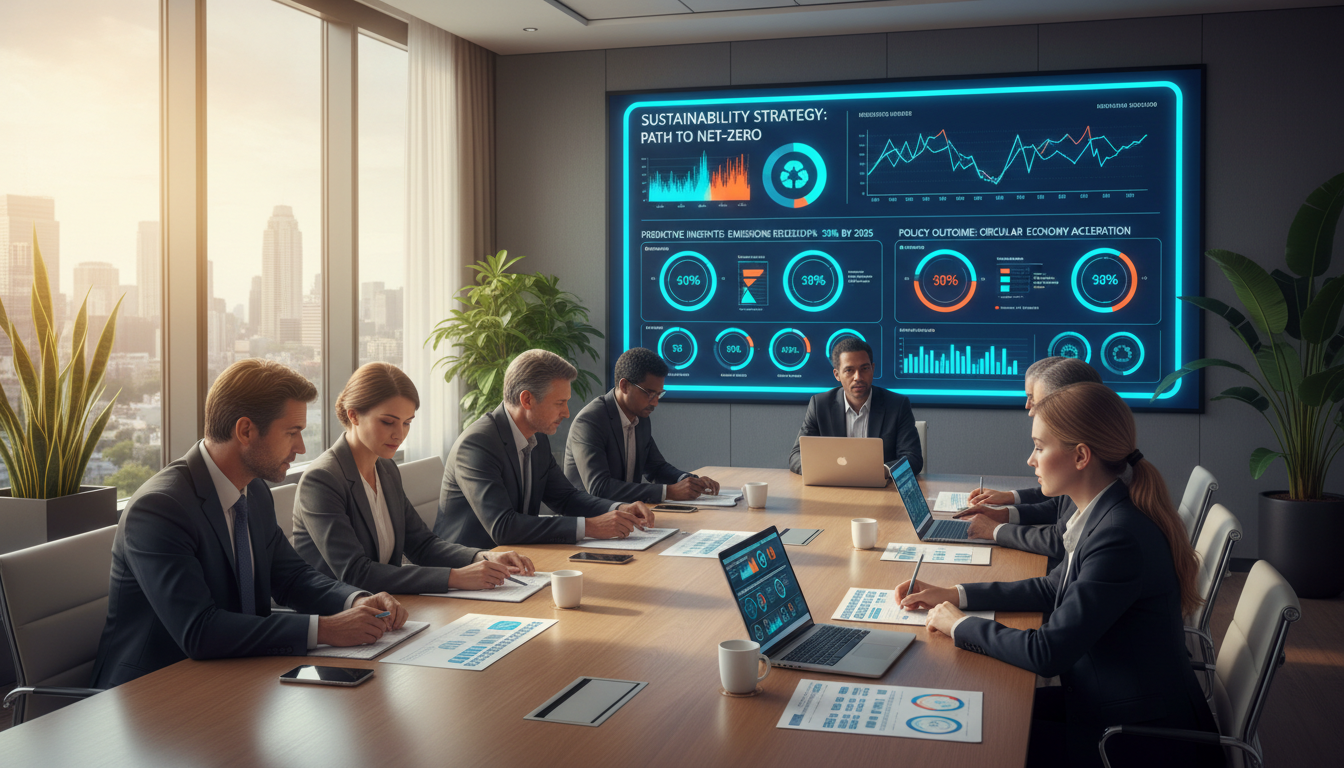
The Strategic Environmental Assessment (SEA) is used to evaluate the environmental impacts of proposed policies, plans, and programs. Unlike project-specific assessments, SEA focuses on higher-level decision-making processes.
Benefits of SEA
SEA provides a broader perspective, helping policymakers consider environmental effects early in the planning process. It promotes sustainable development by integrating environmental considerations into strategic decisions.
5. Environmental Risk Assessment (ERA)
Environmental Risk Assessment (ERA) is a tool that evaluates the probability of adverse environmental effects occurring as a result of exposure to environmental hazards. It is essential for identifying potential risks and implementing mitigation strategies.

ERA in Practice
ERA involves hazard identification, risk analysis, and risk evaluation. By understanding potential risks, project managers can develop strategies to reduce or eliminate negative impacts, ensuring the safety and sustainability of their projects.
Conclusion
Environmental Impact Assessment tools are crucial in today's world, where sustainable development is more important than ever. By utilizing tools like GIS, LCA, EMS, SEA, and ERA, project managers can ensure that their projects are environmentally responsible and compliant with regulations. These tools not only protect the environment but also enhance the long-term success of projects.