
The Integration of AI in Green Urban Planning
Urban environments are continually evolving, and with the rise of technology, artificial intelligence (AI) is playing a crucial role in shaping the future of cities. One of the most significant impacts of AI is its potential to enhance green infrastructure, promoting sustainability and improving the quality of urban life.
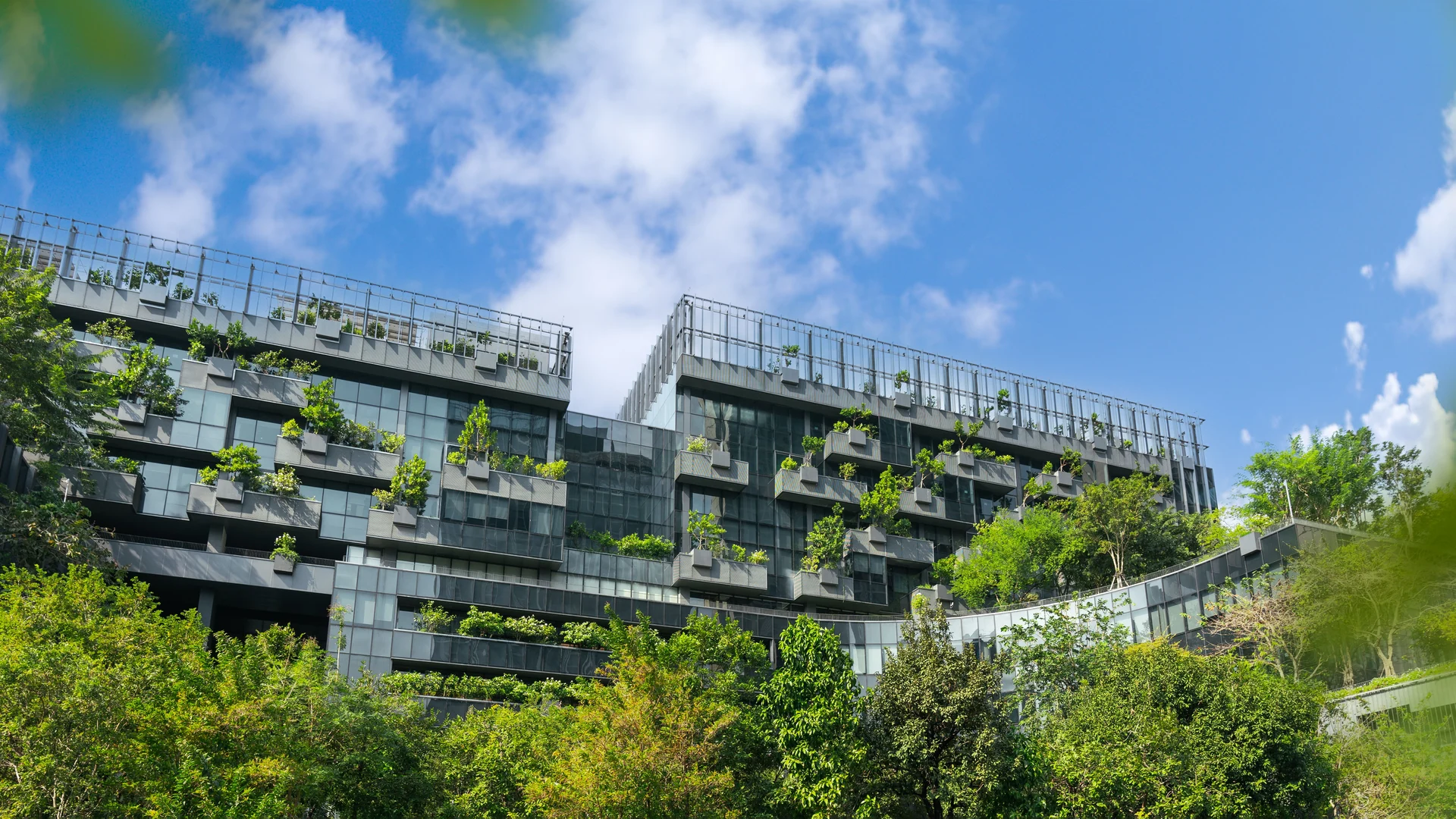
Green infrastructure involves the use of natural systems to solve urban and climatic challenges. By integrating AI, cities can optimize these systems more effectively, leading to smarter, greener urban areas.
AI in Environmental Monitoring
AI technologies are vital for environmental monitoring. Through sensors and data analytics, AI can track air quality, temperature, and other environmental factors in real-time. This data helps city planners make informed decisions about green infrastructure projects, ensuring they are both effective and efficient.
For example, AI can identify areas with high pollution levels, allowing for strategic placement of green spaces like parks and gardens to improve air quality. This targeted approach maximizes the benefits of green infrastructure.
Optimizing Resource Management
One of the primary advantages of AI in urban development is its ability to optimize resource management. AI systems can predict water usage patterns, manage energy consumption, and even optimize waste management processes. This results in more sustainable cities with reduced environmental footprints.
AI-driven solutions can also help in the maintenance of green infrastructure. By predicting when trees need watering or parks require maintenance, cities can allocate resources more efficiently, reducing waste and ensuring the longevity of these green spaces.

Enhancing Urban Biodiversity
Green infrastructure is not only about human benefits; it's also about enhancing urban biodiversity. AI can analyze habitats and ecosystems within cities, identifying areas where biodiversity can be increased. This can lead to the creation of wildlife corridors or the development of urban gardens that support various species.
- AI-driven biodiversity analysis
- Creation of urban wildlife habitats
- Support for diverse ecosystems
Smart Urban Planning
AI contributes significantly to smart urban planning by simulating different scenarios and predicting outcomes of green infrastructure projects. This predictive capability allows planners to optimize land use and design cities that are both resilient and sustainable.
By incorporating AI, urban planners can create models that consider climate change impacts, population growth, and resource availability. This holistic approach ensures that green infrastructure not only meets current needs but is also adaptable to future challenges.
Conclusion: A Sustainable Urban Future
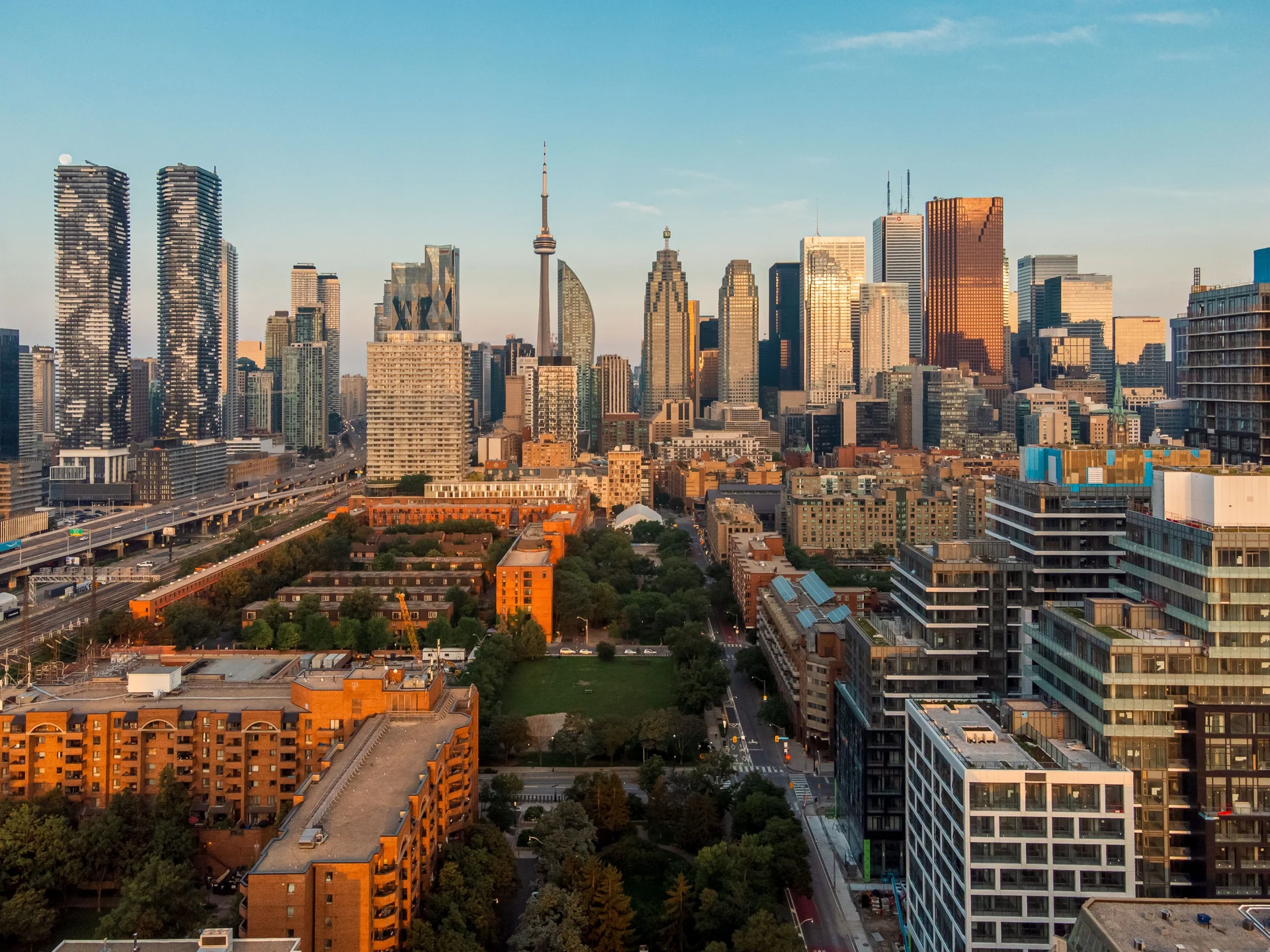
The integration of AI in urban development, particularly in enhancing green infrastructure, holds promise for creating more sustainable and livable cities. As AI technology continues to advance, its role in urban planning will only grow, paving the way for innovative solutions to the challenges faced by cities worldwide.
Investing in AI-driven green infrastructure is not just a step towards sustainability; it's a leap towards a future where cities are in harmony with the natural environment, benefiting both people and the planet.
Part of the EcoGuardian journal. This article retains its original publication context; references to grants, regulations, research, and services may have changed since publication.