
The Role of AI in Sustainable Development
Artificial Intelligence (AI) is increasingly becoming a driving force behind sustainable development, offering innovative solutions to some of the world's most pressing challenges. As we grapple with issues like climate change, resource depletion, and population growth, AI provides tools to enhance efficiency, reduce waste, and promote more sustainable practices.

AI Innovations in Energy Efficiency
One of the most promising applications of AI in sustainable development is in the realm of energy efficiency. AI technologies can optimize energy consumption by predicting demand and adjusting supply accordingly. This helps in reducing energy waste and lowering carbon emissions.
For example, smart grids use AI to manage electricity distribution more effectively. They can forecast energy needs and adjust in real-time, ensuring that energy is used optimally. This not only saves costs but also contributes to a more sustainable energy future.
Advancements in Waste Management
AI is also revolutionizing waste management processes. By using machine learning algorithms, AI can sort and recycle waste more efficiently. Automated systems can identify different types of materials and sort them accordingly, reducing human error and increasing recycling rates.

Moreover, AI-driven analytics can predict waste generation patterns, allowing municipalities to plan better and create more effective waste management strategies. This proactive approach is essential for reducing landfill use and promoting recycling.
Precision Agriculture and Food Security
In agriculture, AI plays a crucial role in enhancing food security. Precision agriculture uses AI to monitor crop health, optimize water usage, and predict weather patterns, ensuring higher yields with minimal environmental impact. These technologies help farmers make informed decisions, leading to more sustainable farming practices.
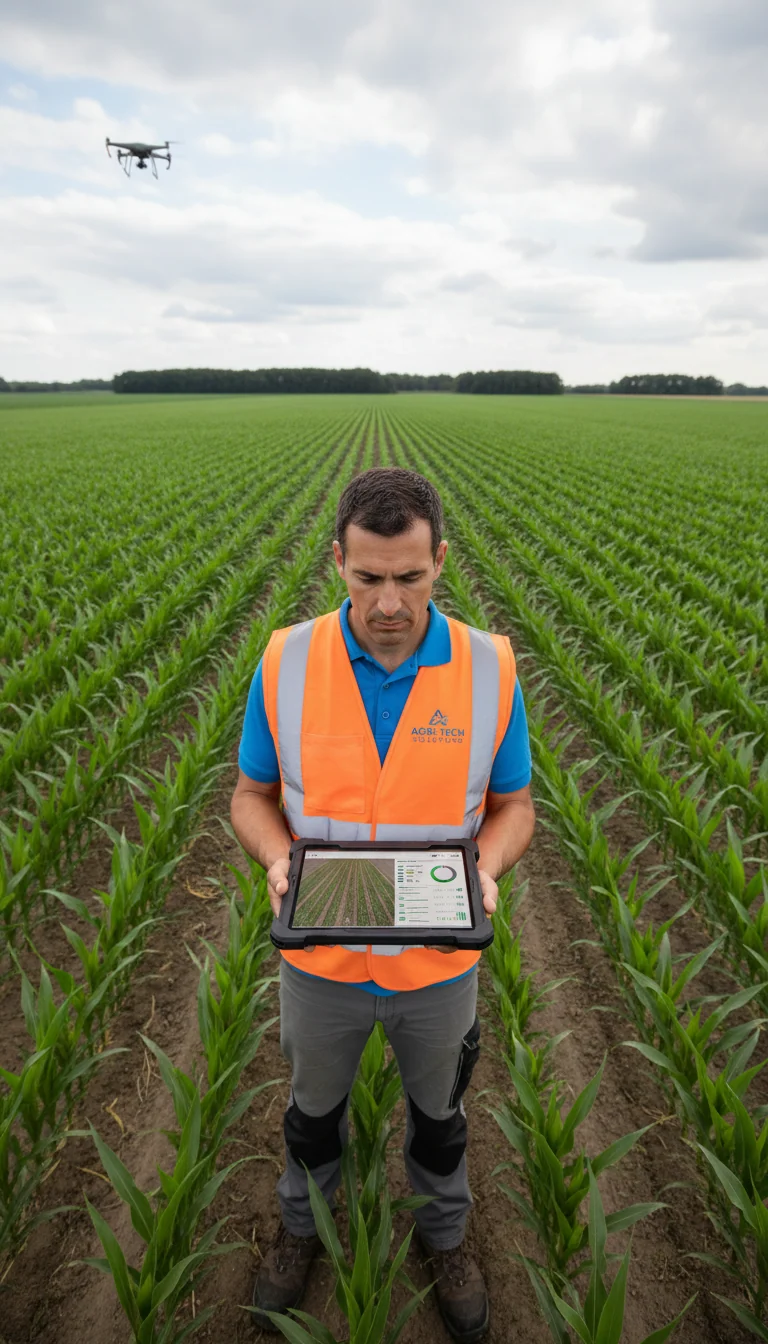
By leveraging AI, farmers can reduce water usage by up to 30% and increase yields by 10-15%. This not only supports sustainable agriculture but also addresses global food security challenges, particularly in regions vulnerable to climate change.
Future Trends in AI for Sustainability
Looking ahead, AI's role in sustainable development is expected to grow even further. Emerging trends include the integration of AI with the Internet of Things (IoT) to create smart cities. These cities will use AI to manage resources efficiently, reduce energy consumption, and improve the quality of life for their inhabitants.
Additionally, AI is set to play a significant role in conservation efforts. By analyzing data from satellites and drones, AI can monitor wildlife populations and detect illegal activities such as poaching. This real-time data can help in making more informed conservation decisions.
Conclusion
The potential of AI in driving sustainable development is vast. By innovating in areas such as energy efficiency, waste management, agriculture, and conservation, AI is paving the way for a more sustainable future. As technology evolves, it will continue to offer new solutions to old problems, helping us build a more resilient and sustainable world.
Part of the EcoGuardian journal. This article retains its original publication context; references to grants, regulations, research, and services may have changed since publication.