Introduction to AI in Ecosystem Protection
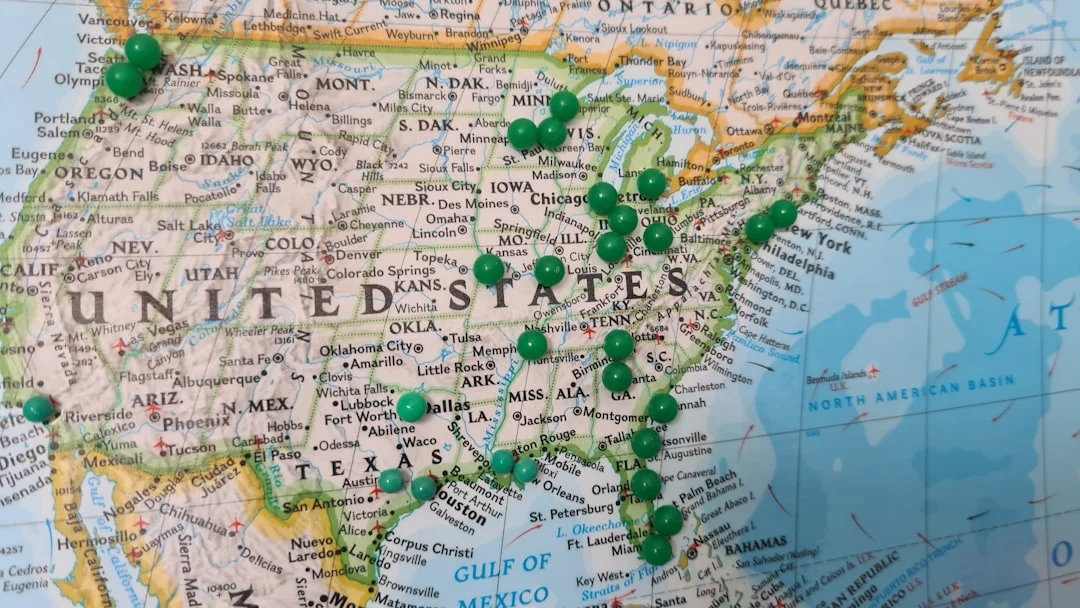
Artificial Intelligence (AI) is revolutionizing various sectors, and ecosystem protection is no exception. Across the United States, AI technologies are being leveraged to enhance conservation efforts, creating a synergy between technology and environmental sustainability. These advancements are fostering new partnerships aimed at preserving diverse ecosystems.
AI's ability to process large datasets quickly and accurately makes it an invaluable tool in monitoring and managing natural habitats. By analyzing patterns and predicting potential threats, AI helps stakeholders make informed decisions to protect ecosystems effectively.

AI-Powered Monitoring Systems
One of the primary roles of AI in ecosystem protection is in monitoring wildlife and natural habitats. Advanced AI-powered systems can track animal movements, identify species, and even detect illegal activities such as poaching. This real-time data collection allows conservationists to act swiftly to protect endangered species.
AI-driven drones and camera traps are used to gather visual data, which is then analyzed to monitor changes in ecosystems. These technologies save time and resources, enabling continuous surveillance without human intervention.

Enhanced Data Analysis
AI technologies excel at analyzing complex datasets, which is crucial for understanding ecosystem dynamics. Machine learning algorithms can identify trends and anomalies in data collected from various sources such as satellites, sensors, and field observations. This information is vital for developing effective conservation strategies.
By predicting environmental changes, AI helps in preemptively addressing issues such as habitat loss and species extinction. This proactive approach ensures that conservation efforts are more targeted and impactful.

Fostering Partnerships Through AI
AI's role in ecosystem protection extends to fostering partnerships among government agencies, non-profit organizations, and private sectors. These collaborations are essential for pooling resources, expertise, and technology to tackle environmental challenges.
Joint efforts often involve shared AI platforms that facilitate data exchange and collaborative decision-making. Such partnerships enhance the overall effectiveness of conservation initiatives across the United States.
Success Stories and Case Studies
Several successful case studies highlight the impact of AI in ecosystem protection. For instance, AI has played a critical role in conserving the habitats of endangered species such as the American bison and the California condor. These projects demonstrate the potential of AI-driven solutions in achieving conservation goals.
By showcasing these successes, more organizations are encouraged to adopt AI technologies, further strengthening the network of ecosystem protection partnerships.
The Future of AI in Conservation
Looking ahead, the integration of AI in ecosystem protection is expected to grow. Emerging technologies such as AI-powered predictive modeling and automated reporting will continue to enhance conservation efforts. These innovations promise to make ecosystem protection more efficient and effective.
As AI technologies evolve, ongoing collaboration between tech companies, conservationists, and policymakers will be crucial. By working together, these stakeholders can develop comprehensive strategies to safeguard ecosystems for future generations.
Part of the EcoGuardian journal. This article retains its original publication context; references to grants, regulations, research, and services may have changed since publication.