The Evolving Landscape of Stormwater Management
As urban areas continue to expand, managing stormwater effectively has become a pressing concern. Traditional methods are often insufficient, leading to flooding and water pollution. New approaches, such as bio-swales and AI-driven solutions, are paving the way for a more sustainable future.
Bio-swales, designed to filter and absorb rainwater, are gaining popularity for their environmental benefits. These vegetated channels not only reduce runoff but also enhance local biodiversity. However, implementing these solutions can be costly, which is where micro-grants come into play.
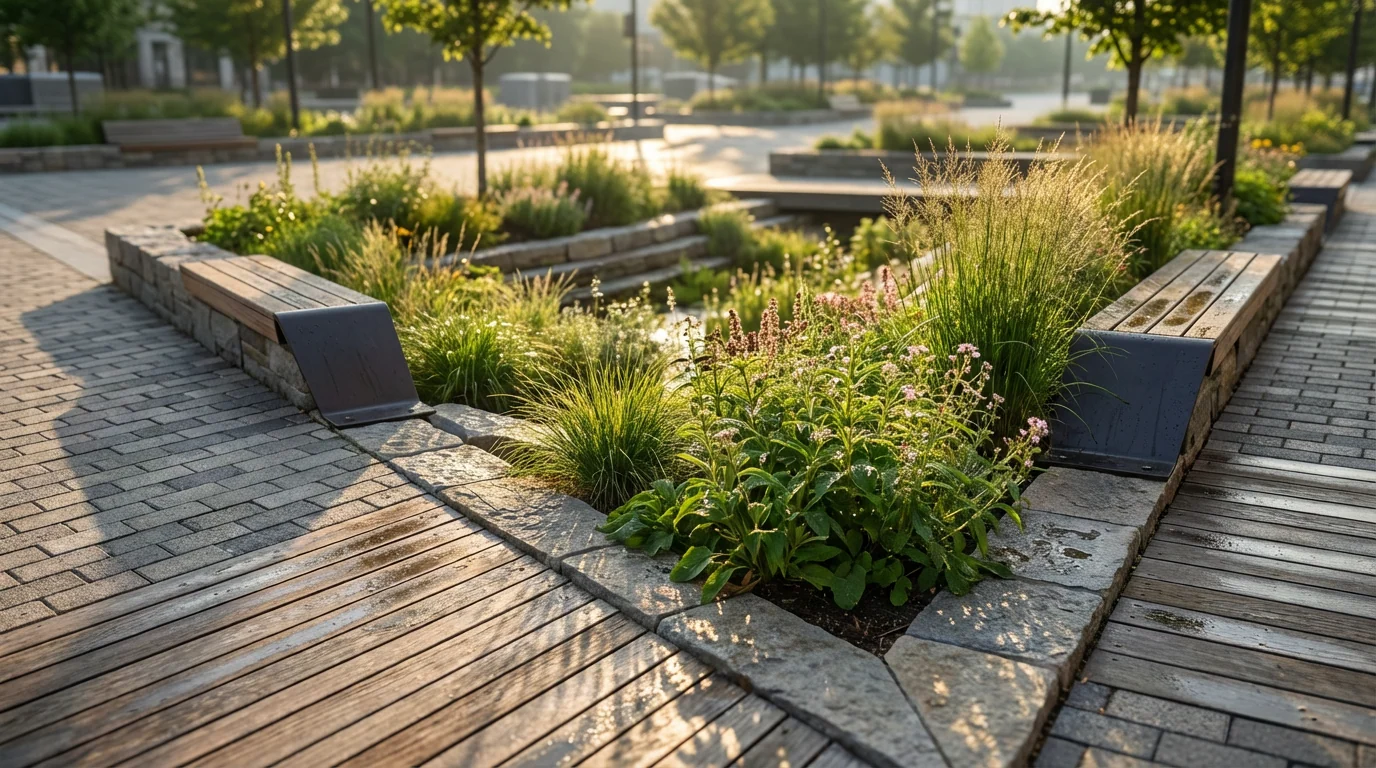
Empowering Communities with Bio-Swale Micro-Grants
Micro-grants are small, targeted funding opportunities aimed at community-driven projects. They empower local groups to install bio-swales in neighborhoods, parks, and public spaces. By lowering financial barriers, micro-grants encourage widespread adoption of these green infrastructures.
Communities can apply for these grants to cover the costs of materials, labor, and maintenance. This democratizes stormwater management, allowing grassroots initiatives to take root and flourish. The results are not just functional but also beautify urban landscapes.

AI Solutions: The Future of Stormwater Management
Artificial Intelligence is revolutionizing how we approach stormwater management. AI systems can predict weather patterns, monitor water levels, and optimize infrastructure performance. This technology allows for real-time data analysis, leading to more responsive and efficient management strategies.
AI-driven solutions can integrate with existing systems to provide alerts and recommendations. For instance, municipalities can receive notifications about potential flood risks and take preventive measures. This proactive approach reduces damage and enhances community resilience.

Combining Bio-Swales and AI for Maximum Impact
The integration of bio-swales with AI technology represents a powerful synergy in stormwater management. AI can optimize the placement and maintenance of bio-swales, ensuring they function at peak efficiency. This combination maximizes environmental benefits while minimizing costs.
By leveraging AI, communities can gain insights into the most effective locations for bio-swales, predicting areas with the highest runoff. This data-driven approach ensures resources are used wisely, enhancing the impact of micro-grant funded projects.
Looking Ahead: Challenges and Opportunities
Despite the promise of bio-swales and AI, challenges remain. Funding, public awareness, and technical expertise can be hurdles. However, as technology advances and more success stories emerge, these barriers are likely to diminish.
Opportunities for innovation abound. As more cities recognize the value of sustainable stormwater solutions, partnerships between governments, nonprofits, and tech companies will play a crucial role. Together, they can create a resilient future for urban environments.

In conclusion, the future of stormwater management lies in embracing both natural and technological solutions. Bio-swales and AI offer promising paths forward, especially when supported by community-driven initiatives like micro-grants. By investing in these areas, we can ensure cleaner, safer, and more sustainable cities for generations to come.
Part of the EcoGuardian journal. This article retains its original publication context; references to grants, regulations, research, and services may have changed since publication.