Introduction to Environmental Technology
As we face the urgent challenges of climate change and environmental degradation, the role of technology in fostering a sustainable future has never been more critical. The emergence of innovative environmental technologies is not only reshaping industries but also providing new hope for a cleaner planet. This blog post explores some of the key trends and innovations in environmental technology that are paving the way for a sustainable future.

Renewable Energy Advancements
One of the most significant areas of development is in renewable energy. The continuous evolution of solar, wind, and hydroelectric power technologies is making them more efficient and accessible. Innovations such as floating solar farms and offshore wind turbines are maximizing energy capture while minimizing land use.
Moreover, the integration of smart grid technologies allows for better management and distribution of renewable energy. These grids use artificial intelligence to predict energy demand and optimize supply, reducing waste and ensuring a steady energy flow.
Breakthroughs in Energy Storage
Energy storage is a critical component of renewable energy systems. Recent advancements in battery technology, including lithium-ion and solid-state batteries, are making it possible to store energy more efficiently. This development is crucial for overcoming the intermittency issues associated with renewable sources like solar and wind.

Innovations in Waste Management
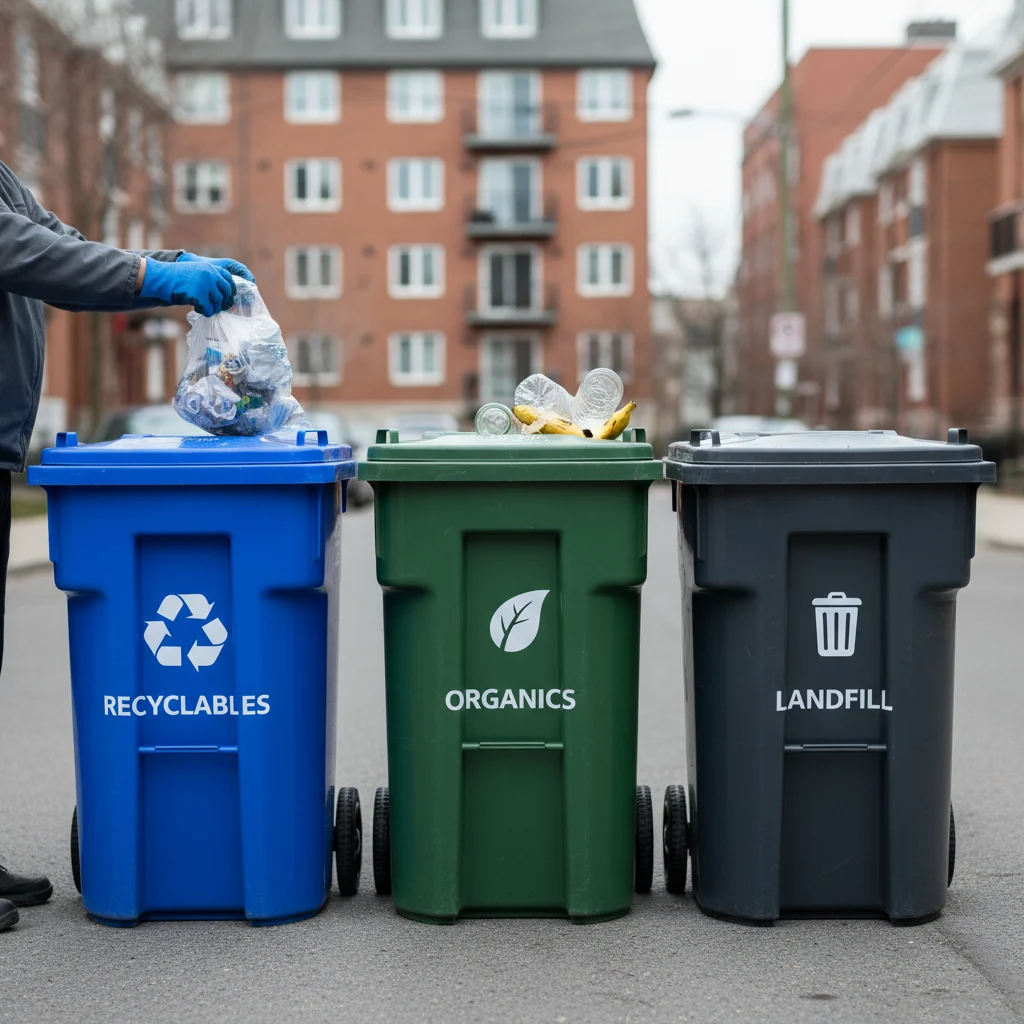
Efficient waste management is essential for minimizing environmental impact. New technologies are transforming the way we handle waste, from advanced recycling processes to waste-to-energy systems. For instance, AI-powered sorting systems are improving the accuracy and speed of recycling operations.
Additionally, the concept of a circular economy is gaining traction, encouraging industries to design products with end-of-life recyclability in mind. This approach not only reduces waste but also conserves natural resources.
Biodegradable Materials
In response to the growing plastic waste problem, researchers are developing biodegradable materials that can replace traditional plastics. These materials break down naturally, reducing their environmental footprint. Innovations in this area include plant-based plastics and biopolymers derived from agricultural waste.
Smart Agriculture and Food Production
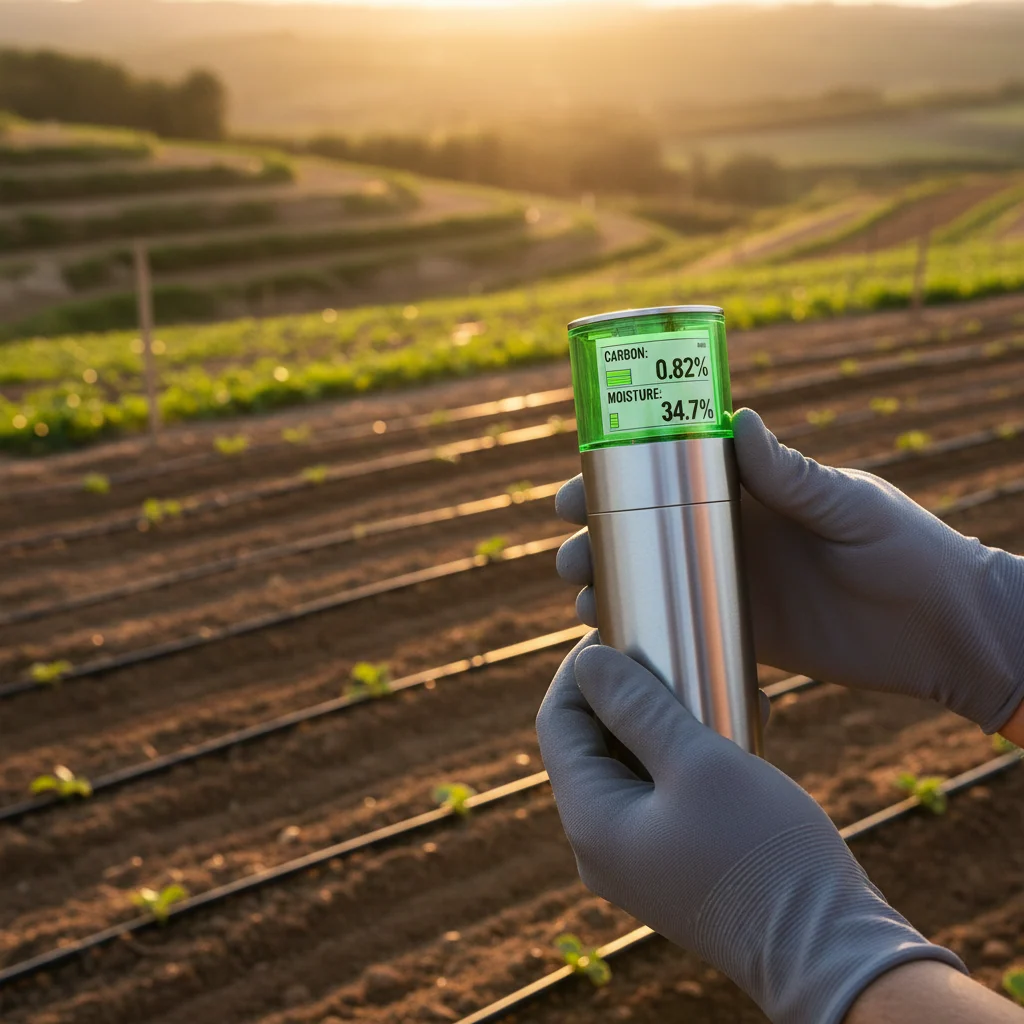
Environmental technology is also revolutionizing agriculture, with smart farming techniques enhancing productivity and sustainability. Precision agriculture uses data analytics and IoT devices to optimize crop yields while minimizing resource usage.
Vertical farming and hydroponics are becoming more popular as they allow for year-round production in urban areas, reducing the need for transportation and lowering carbon emissions.
Conclusion: Embracing a Greener Future
The future of environmental technology holds immense promise. By embracing these innovations, we can tackle some of the world's most pressing environmental challenges. As these technologies continue to evolve, they offer a pathway to a more sustainable and resilient future for our planet.
Part of the EcoGuardian journal. This article retains its original publication context; references to grants, regulations, research, and services may have changed since publication.