
The Intersection of AI and Environmental Science
As technology advances, the field of environmental science is undergoing a transformative shift. Artificial Intelligence (AI) is at the forefront, offering innovative solutions to complex environmental challenges. From climate change to biodiversity conservation, AI is reshaping how scientists understand and address ecological issues.
AI's ability to process and analyze vast amounts of data enables researchers to make accurate predictions and develop effective strategies. This integration of technology and environmental science promises a future where data-driven decisions lead to more sustainable practices.

AI in Climate Change Prediction
One of the most significant impacts of AI is in climate change prediction. By utilizing machine learning algorithms, scientists can analyze historical weather data to forecast future climatic conditions. AI models consider numerous variables, leading to more reliable predictions.
This capability allows policymakers to implement proactive measures, potentially mitigating the adverse effects of climate change. AI-driven insights enable targeted actions, such as optimizing energy consumption and reducing carbon emissions.

Biodiversity Conservation and AI
AI is also playing a crucial role in biodiversity conservation. With the help of image recognition technology, researchers can monitor wildlife populations and track endangered species. AI-powered drones and cameras capture real-time data, providing insights into animal behaviors and habitat conditions.
This technology aids in the protection of ecosystems by identifying critical areas for conservation efforts. By understanding species distributions and population trends, conservationists can devise strategies to preserve biodiversity effectively.

Enhancing Environmental Monitoring
Environmental monitoring has become more efficient with AI applications. Sensors equipped with AI capabilities detect pollution levels, track air quality, and monitor water resources. These smart systems provide continuous data, allowing for rapid response to environmental hazards.
Moreover, AI helps in identifying patterns and anomalies that might indicate environmental degradation. This proactive approach ensures that potential issues are addressed before they escalate, promoting a healthier planet.

The Role of AI in Sustainable Agriculture
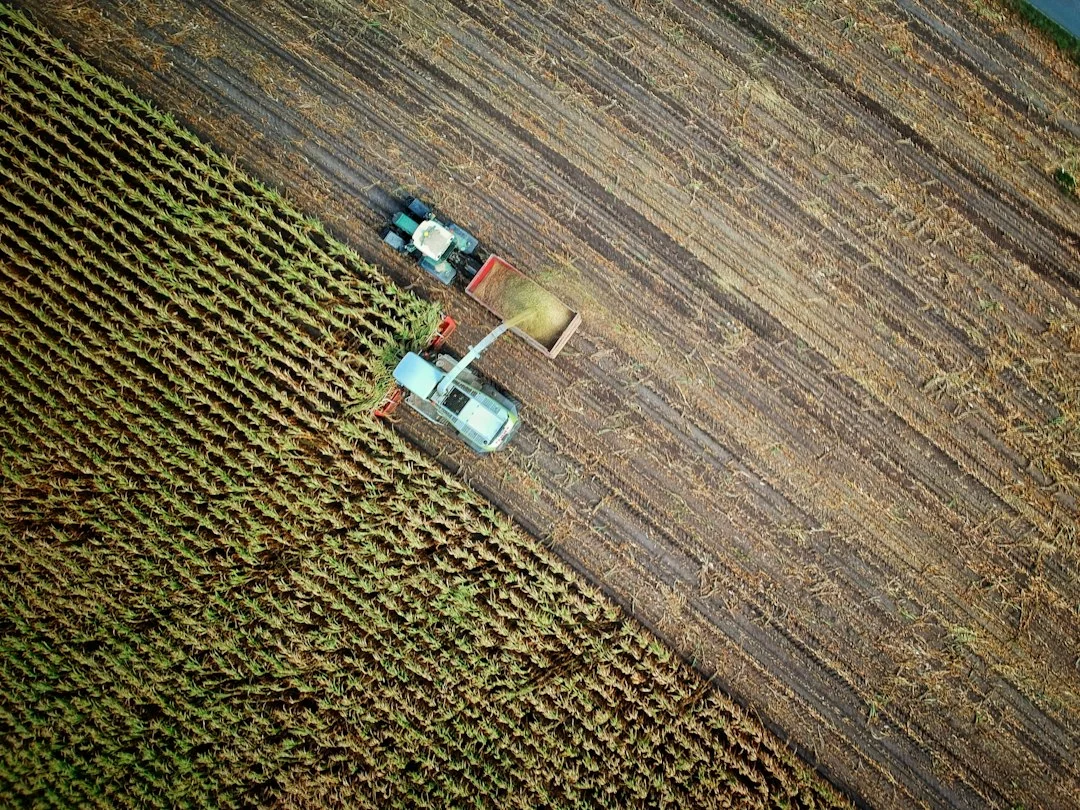
AI is revolutionizing agriculture by enabling sustainable farming practices. Precision agriculture utilizes AI to optimize crop management, reduce waste, and minimize the use of harmful chemicals. Machine learning algorithms analyze soil conditions, weather patterns, and crop health to enhance agricultural productivity.
This technological advancement not only boosts food security but also reduces the environmental impact of farming. By making agriculture more efficient, AI contributes to a more sustainable future.
Challenges and Future Prospects
Despite its potential, the integration of AI in environmental science faces challenges such as data privacy concerns and the need for substantial computational resources. However, continuous advancements in technology are likely to overcome these obstacles.
The future holds promising prospects, with AI poised to play an even more significant role in environmental sustainability. As researchers continue to harness AI's potential, the field of environmental science will evolve, driving global efforts towards a greener planet.
Part of the EcoGuardian journal. This article retains its original publication context; references to grants, regulations, research, and services may have changed since publication.