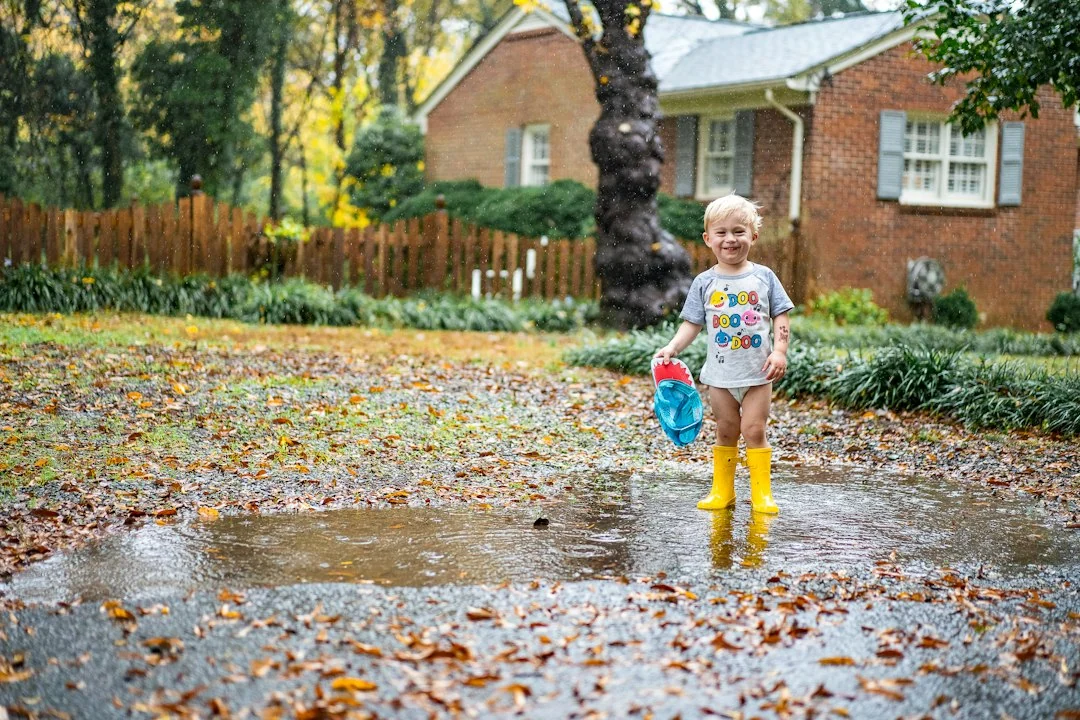
Understanding the Importance of Water Management
As the rainy season approaches, homeowners must prioritize effective water management to protect their properties. Proper preparation can prevent water damage, conserve resources, and ensure a safe living environment. Implementing these seasonal tips will not only safeguard your home but also enhance its value.
Managing water effectively starts with understanding the potential risks associated with heavy rains. From basement flooding to soil erosion, the consequences of neglecting water management can be costly. By taking proactive steps, you can minimize these risks and maintain a resilient home.

Inspect and Maintain Your Gutters
Gutters play a crucial role in directing rainwater away from your home. Regular inspection and maintenance are essential to ensure they function effectively. Begin by clearing any debris, such as leaves or twigs, that may have accumulated over time.
Check for any signs of damage, such as cracks or loose fittings, and repair them promptly. Consider installing gutter guards to prevent future blockages and ensure smooth water flow. A well-maintained gutter system can significantly reduce the risk of water damage to your property.
Downspout Management
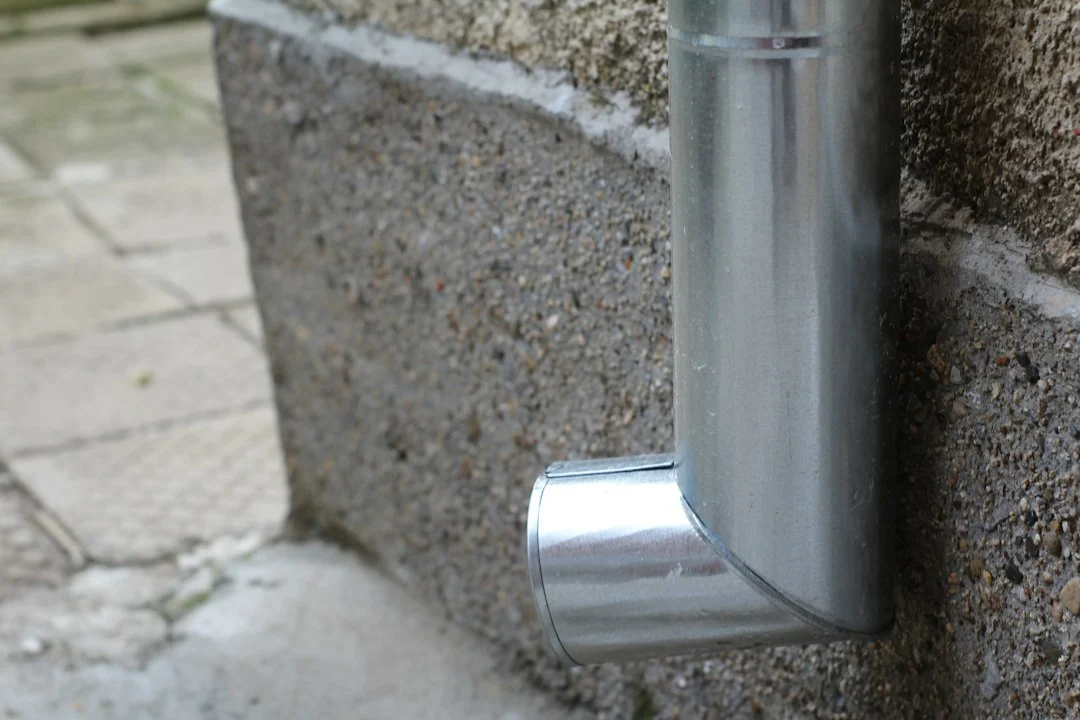
Ensure that downspouts are directed away from your home's foundation. Extend them at least three feet to prevent water from pooling around the base of your house, which can lead to structural issues. If necessary, use downspout extensions to divert water further away.
Enhance Your Landscape Design
Strategically designing your landscape can aid in natural water management. Consider incorporating rain gardens or swales to capture and redirect runoff. These features not only manage water effectively but also add aesthetic appeal to your yard.
Planting native vegetation is another way to improve water absorption and reduce erosion. Native plants are well-adapted to local conditions and can thrive with minimal maintenance, making them an eco-friendly choice for homeowners.
Soil and Grading
Proper grading of your property ensures water flows away from your home. Inspect the slope of your yard to confirm it directs water toward drainage areas. If necessary, regrade the soil to prevent pooling and erosion.

Invest in Rainwater Harvesting
Rainwater harvesting systems are a sustainable way to manage excess water. By collecting and storing rainwater, you can reduce reliance on municipal sources and lower your water bills. This stored water is ideal for irrigation and other non-potable uses.
Consider installing rain barrels or more complex systems depending on your needs and budget. Not only will this help manage water during heavy rains, but it also promotes a more sustainable lifestyle.
Regular System Maintenance
To ensure efficiency, regularly inspect and maintain your rainwater harvesting system. Check for leaks, clean filters, and make sure all components are functioning correctly. Proper maintenance will extend the life of your system and maximize its benefits.

Prepare for Extreme Weather
In areas prone to severe weather, additional precautions may be necessary. Consider installing sump pumps in basements to handle excess water and prevent flooding. Ensure your home insurance covers water damage, providing peace of mind during stormy seasons.
Stay informed about weather forecasts and have an emergency plan in place. This preparation can make a significant difference in minimizing damage and ensuring the safety of your family.
Part of the EcoGuardian journal. This article retains its original publication context; references to grants, regulations, research, and services may have changed since publication.