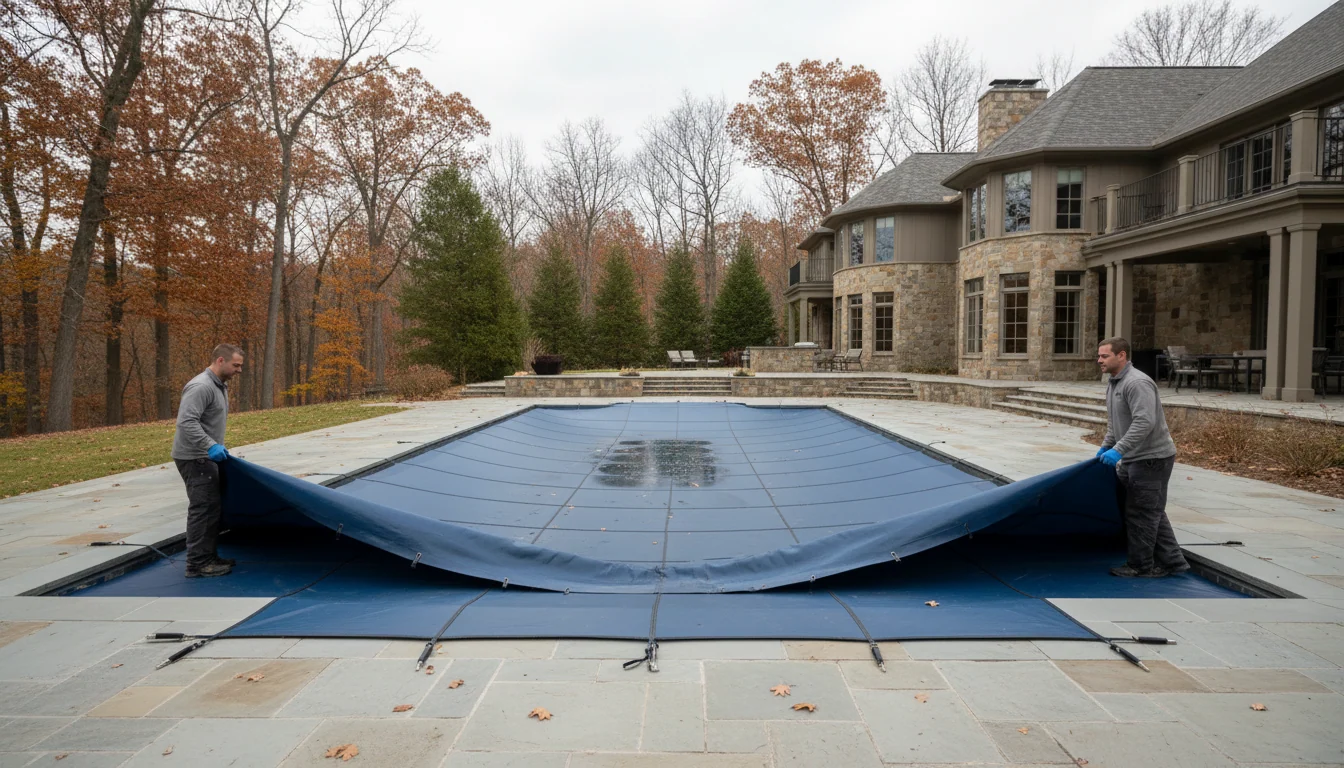
Understanding Bio-Swales
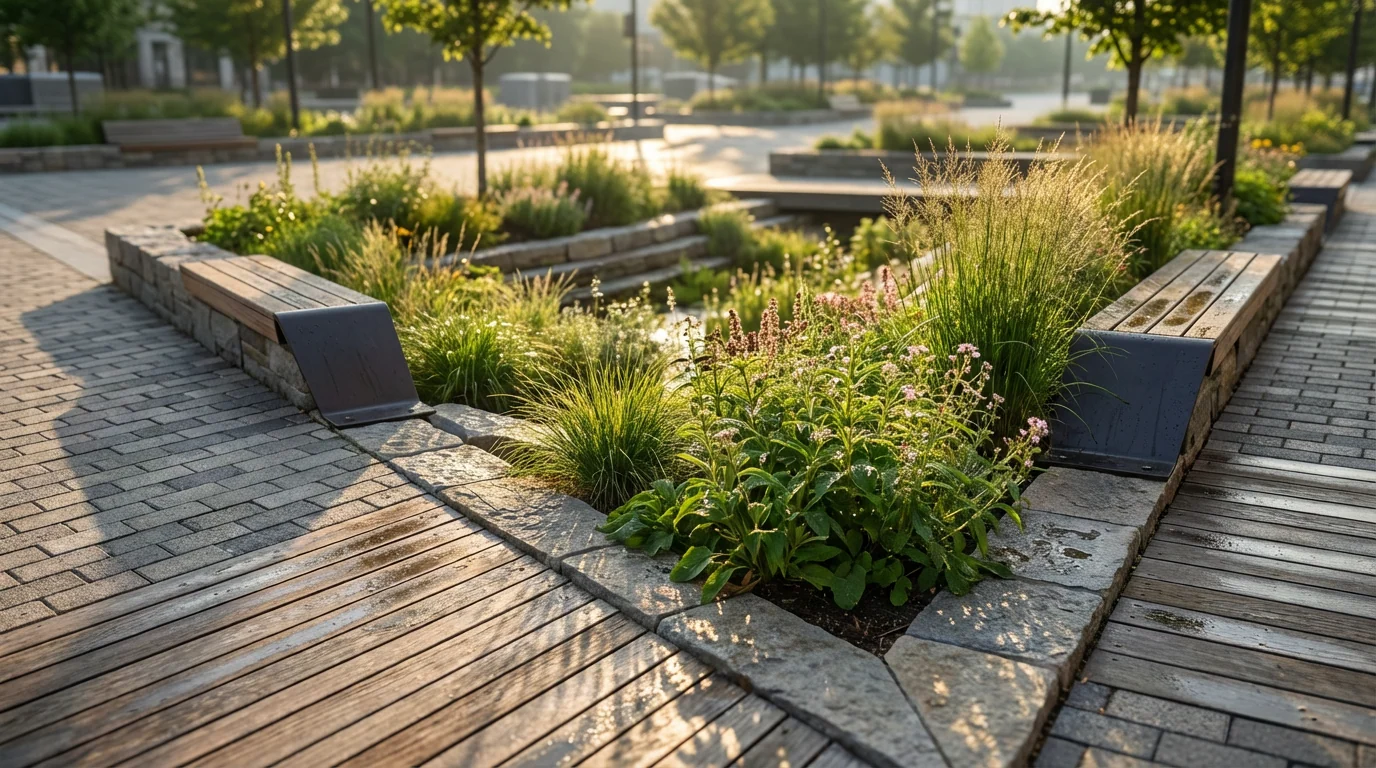
Bio-swales are essential elements in sustainable water management, particularly in areas like Walton County where rainy seasons can be intense. These landscape features are designed to capture and filter stormwater runoff, reducing erosion and improving water quality. As we prepare for the rainy season, it’s crucial to ensure that your bio-swale is functioning optimally.
Assessing the Current Condition
Before the rainy season hits, take time to assess the current condition of your bio-swale. Check for any signs of erosion, sediment buildup, or blockage. These issues can impede the flow of water and reduce the bio-swale's ability to filter pollutants. Regular inspections can help identify problems early and prevent costly repairs.
Clearing Debris
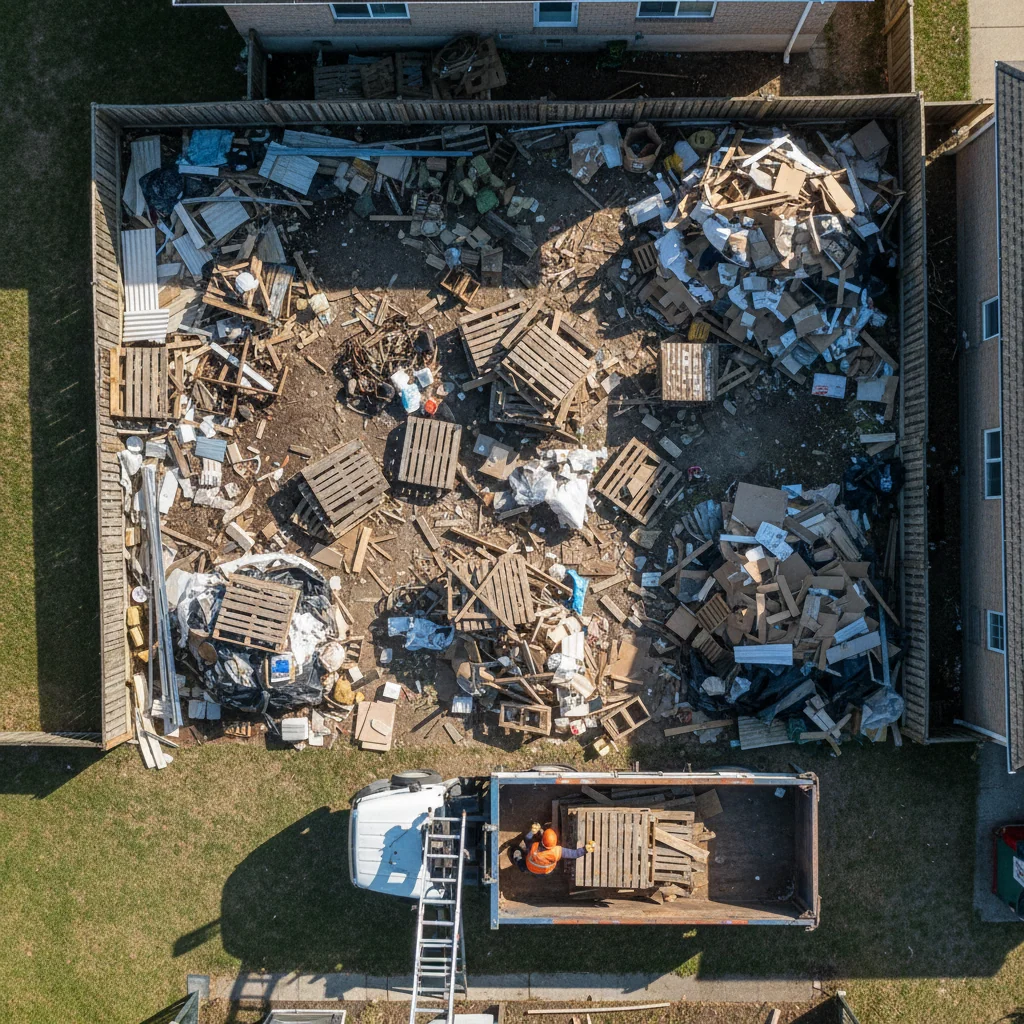
Debris such as leaves, branches, and trash can accumulate in your bio-swale, particularly during dry months. Clearing this debris is crucial for maintaining water flow and preventing blockages. Use a rake or blower to gently remove any unwanted materials, being careful not to disturb the plants that play a crucial role in the filtration process.
Enhancing Plant Health
The vegetation in your bio-swale is not just decorative; it plays a vital role in filtering pollutants and stabilizing the soil. Ensure that the plants are healthy and well-maintained. Consider adding native plants that are well-suited to the local climate and can thrive in wet conditions. This will enhance the bio-swale's performance and resilience during heavy rainfalls.
Soil Management
Healthy soil is the foundation of an effective bio-swale. Check the soil for compaction, and if necessary, aerate it to improve permeability. This will allow water to infiltrate the soil more efficiently, reducing runoff and promoting groundwater recharge. Adding organic matter can also improve soil structure and fertility.

Monitoring and Maintenance
Once your bio-swale is prepared, regular monitoring and maintenance are key to ensuring its effectiveness throughout the rainy season. Keep an eye on water flow during storms to identify any areas of concern. Regularly prune plants, remove debris, and check for signs of erosion or sediment buildup.
Collaborating with Experts
For those who are new to bio-swale maintenance or are dealing with complex issues, consulting with a landscape professional can be beneficial. Experts can provide guidance on plant selection, soil management, and erosion control, ensuring that your bio-swale is ready to handle the rainy season.
By taking these proactive steps, you can enhance the performance of your bio-swale, protect your property, and contribute to a healthier environment in Walton County. Proper seasonal water management is not just a necessity but a commitment to sustainability.
Part of the EcoGuardian journal. This article retains its original publication context; references to grants, regulations, research, and services may have changed since publication.