Seasonal Strategies for Sustainable Water Management Using Bio-Swales


Understanding Bio-Swales
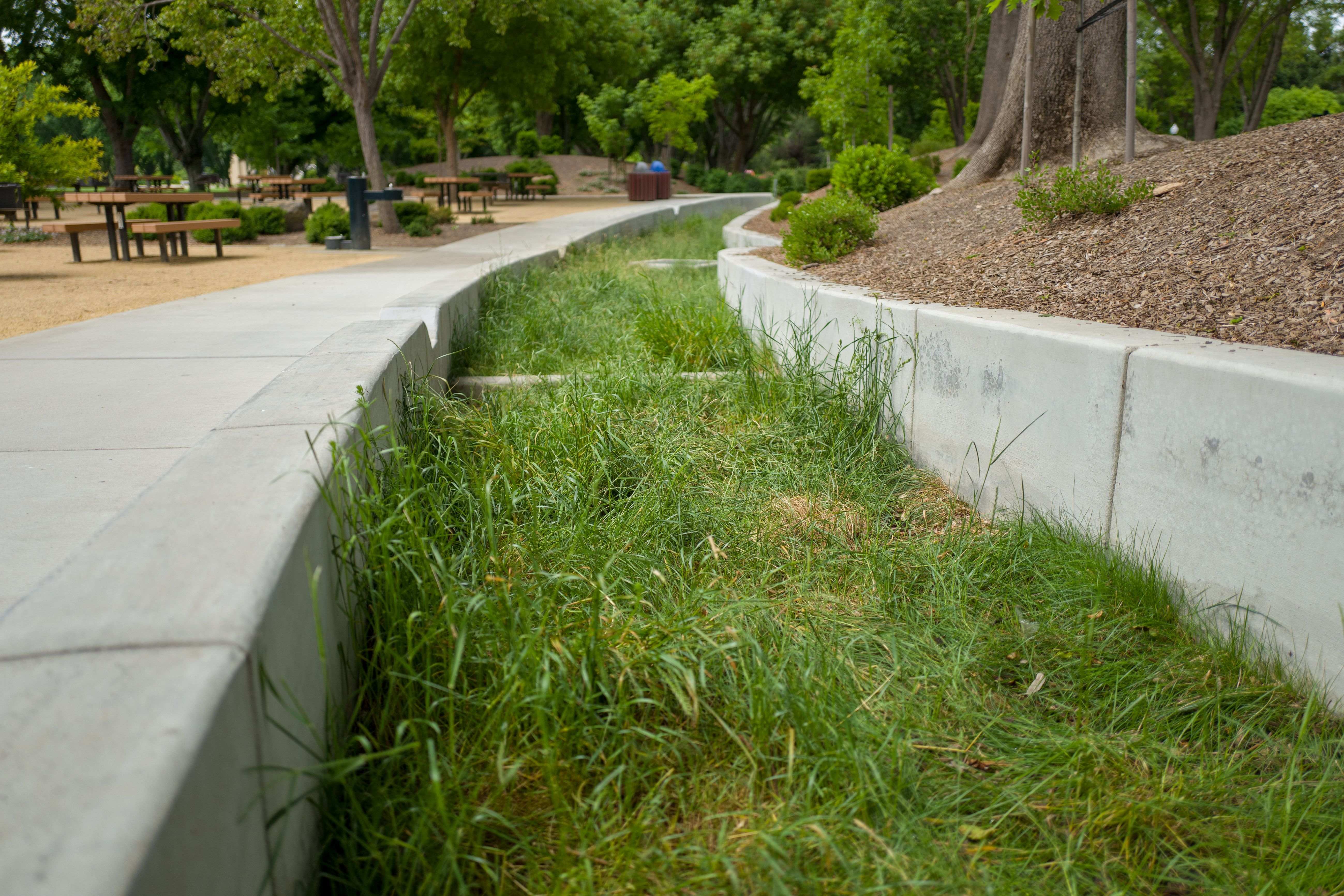
Bio-swales are engineered landscape elements designed to concentrate and convey stormwater runoff while removing debris and pollution. They are a sustainable water management solution that mimics natural processes to filter and absorb rainwater. These systems are highly effective in urban environments where impervious surfaces prevent natural water infiltration.
A bio-swale typically consists of a gently sloped channel filled with vegetation, compost, and a porous substrate. This design allows water to slowly percolate through the layers, reducing runoff speed and volume, which helps to minimize erosion and flooding.
Seasonal Considerations for Bio-Swales
Managing bio-swales effectively requires understanding the seasonal changes that affect water flow and vegetation. Each season presents unique challenges and opportunities for enhancing the functionality of these systems.
Spring Strategies
Spring is an ideal time to inspect and maintain bio-swales. With increased rainfall, it's crucial to ensure that drainage pathways are clear of debris. Regularly check for blockages that could impede water flow and remove any accumulated sediment.
Spring is also the perfect season for planting. Choose native vegetation that is well-suited to local climate conditions, as these plants will help stabilize the soil and improve water absorption.
Summer Strategies
During summer, bio-swales may experience reduced water flow due to lower rainfall. This is a good time to assess the health of the vegetation and ensure that plants are thriving and adequately spaced to prevent overcrowding.
Regularly water the plants during dry spells to maintain their effectiveness in filtering pollutants. Mulching can also help retain soil moisture and reduce weed growth.
Fall and Winter Strategies
Fall Strategies
In the fall, focus on removing fallen leaves and debris that can clog the bio-swale system. Leaf litter can block water channels and reduce the overall efficiency of the swale.
Consider performing additional plantings in the fall to take advantage of cooler temperatures and increased soil moisture, which can aid root establishment.
Winter Strategies
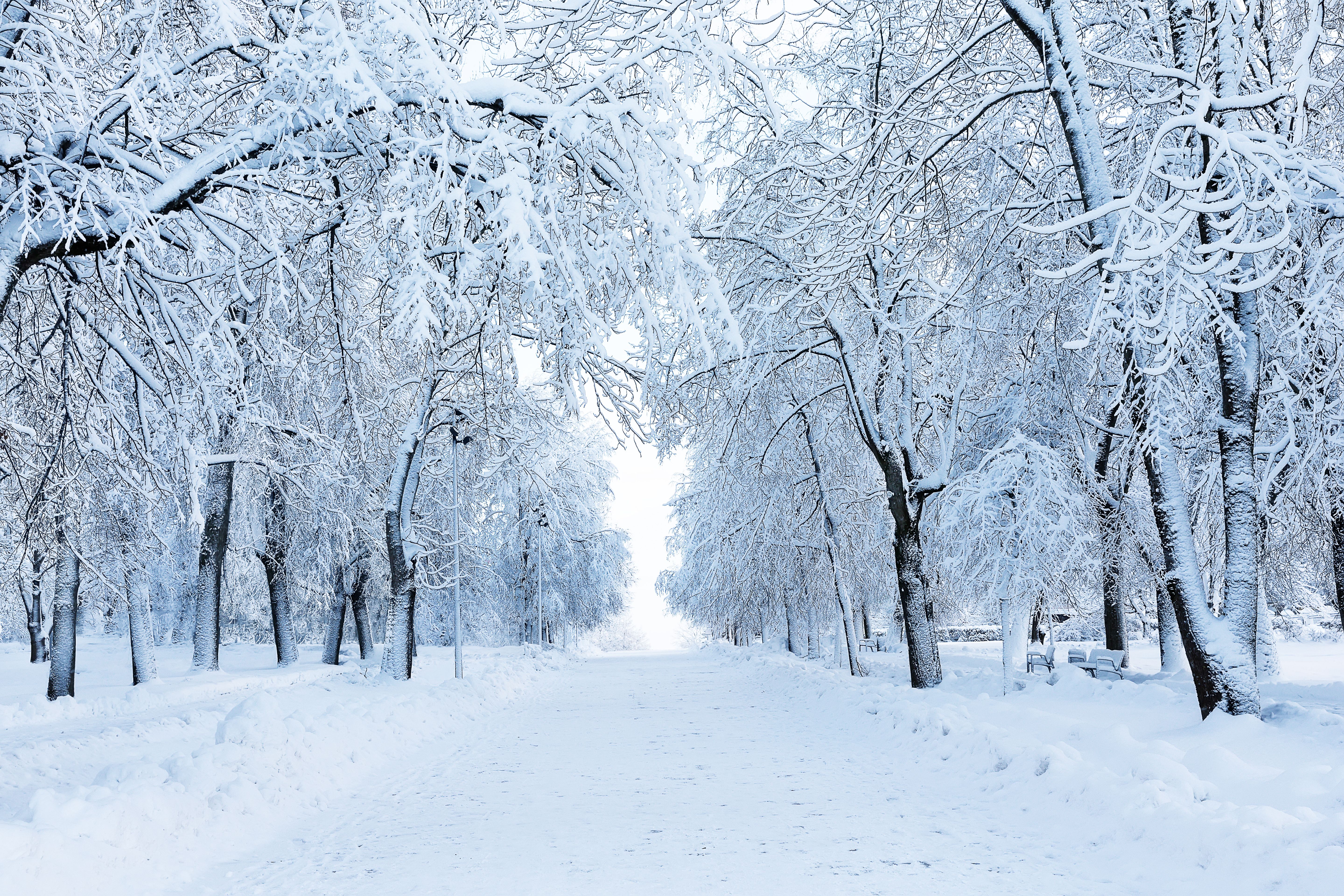
Winter poses challenges such as freezing temperatures and snow accumulation. Ensure that bio-swales are well-prepared by inspecting for cracks or damage in the channels that could worsen with freezing and thawing cycles.
Monitor the bio-swale for ice blockages that can prevent water from flowing through the system. Carefully remove any obstacles to maintain proper drainage.
Benefits of Bio-Swales Year-Round
Bio-swales offer numerous benefits throughout the year, including improved water quality, reduced urban heat, and enhanced biodiversity. By implementing seasonal strategies, these systems can remain functional and efficient, providing sustainable water management solutions in various climates.
Embracing bio-swales as part of a broader stormwater management plan not only supports environmental health but also contributes to the aesthetic appeal of urban areas. By understanding and adapting to seasonal changes, communities can maximize the benefits of these innovative systems.