
Understanding the Importance of Environmental Sustainability
As the global community faces unprecedented environmental challenges, the importance of reducing our environmental impact has never been more critical. Successful projects worldwide are demonstrating how innovative strategies can lead to significant positive changes. By learning from these initiatives, we can adopt practices that contribute to a more sustainable future.
Environmental sustainability involves managing resources so future generations can enjoy a healthy and balanced ecosystem. This requires a collective effort from individuals, businesses, and governments globally. Let's explore some successful projects that have made a notable impact.

Urban Green Spaces: Transforming Cities
Cities worldwide are embracing urban green spaces as a solution to environmental challenges. Projects like the High Line in New York City have transformed abandoned infrastructure into vibrant public parks. These spaces not only enhance biodiversity but also improve air quality and provide recreational areas for residents.
Green spaces offer essential ecological benefits, such as reducing urban heat and mitigating flooding. By integrating nature into urban planning, cities can significantly reduce their environmental footprint while enhancing residents' quality of life.
Case Study: Singapore's Gardens by the Bay
Singapore's Gardens by the Bay is a remarkable example of combining technology and nature. This project features vertical gardens and solar-powered supertrees, showcasing how innovative design can create sustainable urban environments. These gardens help lower city temperatures and promote environmental awareness among visitors.

Renewable Energy: Powering the Future
The shift towards renewable energy sources is crucial for reducing environmental impact. Countries like Denmark lead the way with projects focusing on wind energy. Denmark's commitment to wind energy has resulted in it becoming a primary energy source, significantly reducing carbon emissions.
Renewable energy projects not only decrease reliance on fossil fuels but also foster energy independence and create green jobs. Communities embracing renewable energy are setting a precedent for sustainable energy practices globally.
Success Story: The Rise of Solar Energy in Germany
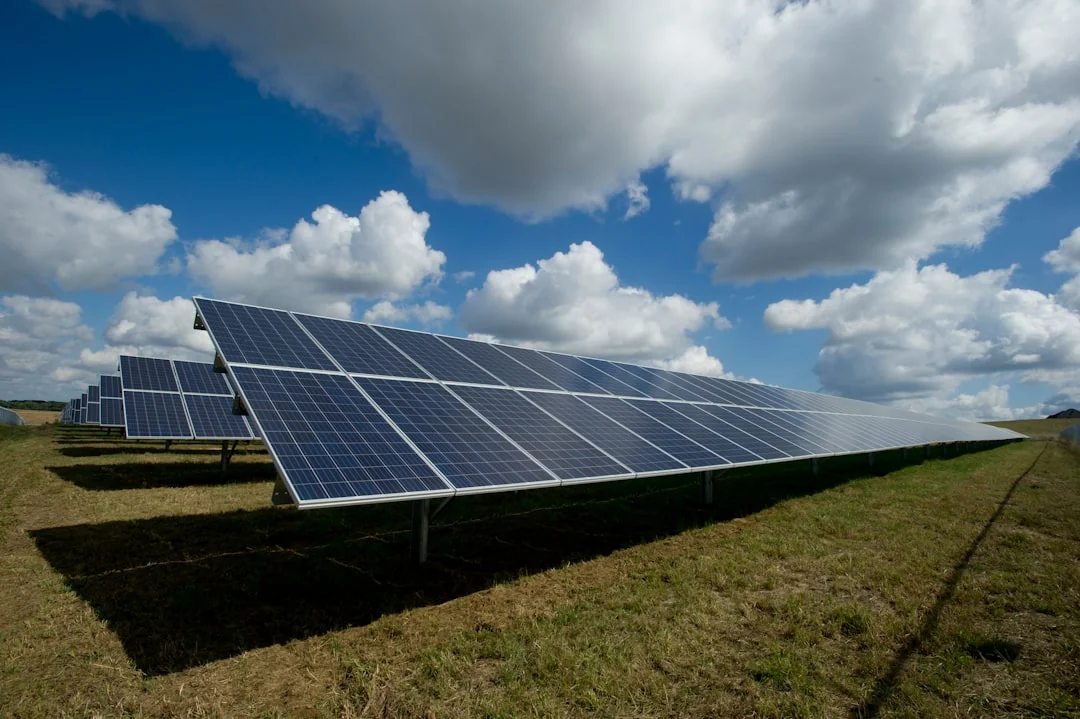
Germany's Energiewende initiative aims to revolutionize the country's energy sector through solar and wind power. By investing in solar technology, Germany has become a leader in renewable energy, significantly reducing its carbon footprint and inspiring other nations to follow suit.
Waste Reduction: Innovative Solutions
Reducing waste is a critical component of minimizing environmental impact. Innovative projects like Sweden's waste-to-energy plants demonstrate how waste can be transformed into valuable resources. Sweden's approach has led to the country importing waste to fuel its energy needs, showcasing an effective circular economy model.
Implementing waste reduction strategies, such as recycling and composting, can drastically reduce landfill contributions and conserve natural resources. These practices are essential for achieving a sustainable future.
Community Engagement: The Role of Local Initiatives
Local communities play a vital role in environmental projects. Initiatives like community gardens and recycling programs empower residents to take action and make a difference. By fostering an environment of collaboration and education, communities can drive meaningful change from the ground up.

In conclusion, learning from successful environmental projects provides valuable insights into effective sustainability practices. By adopting these strategies, we can collectively work towards reducing our environmental impact and securing a healthier planet for future generations.
Part of the EcoGuardian journal. This article retains its original publication context; references to grants, regulations, research, and services may have changed since publication.