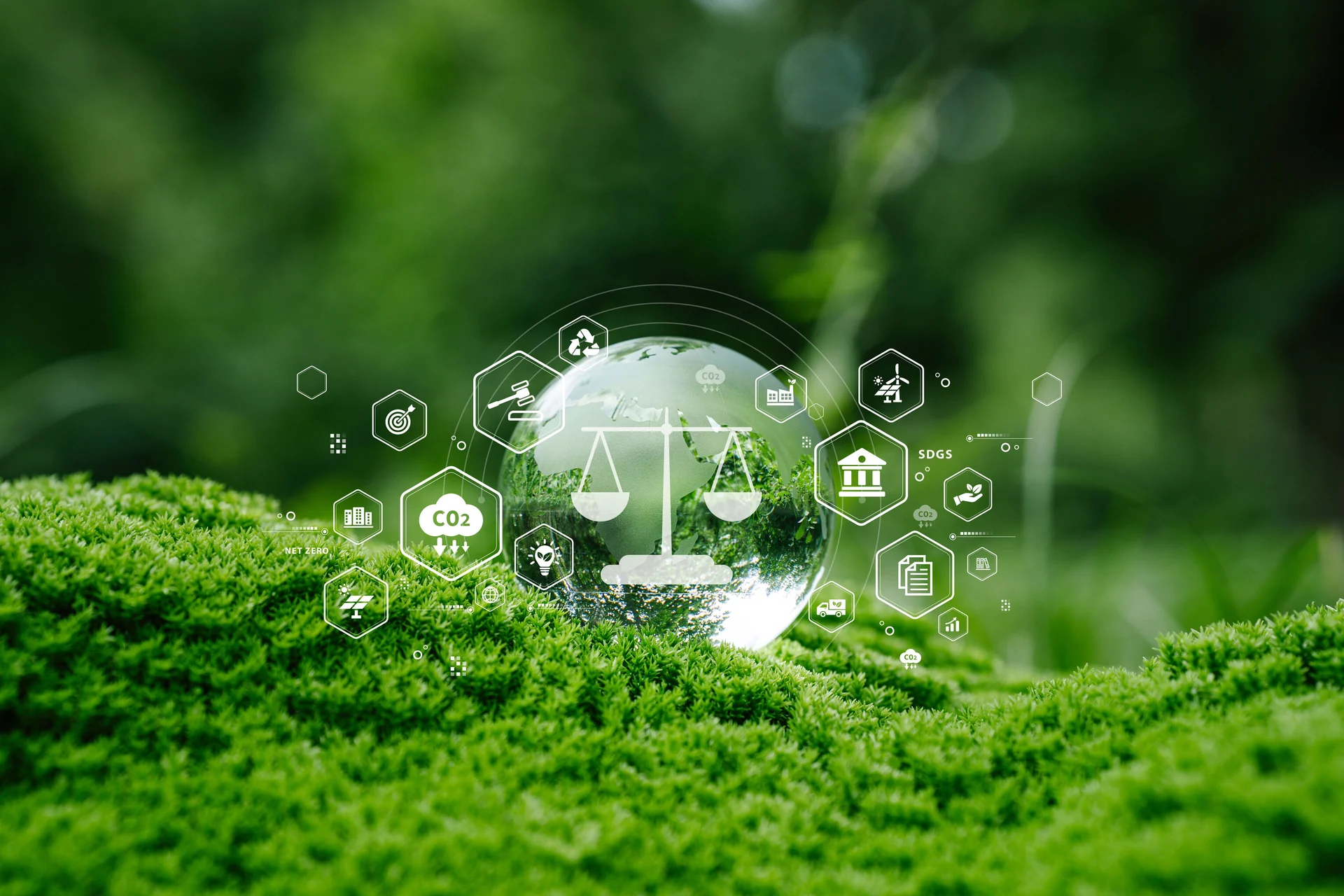
The Role of AI in Environmental Policy
Artificial Intelligence (AI) is rapidly transforming various sectors, and environmental policy is no exception. By integrating AI, policymakers can enhance decision-making processes, optimize resource allocation, and improve regulatory compliance. This guide explores how AI can be a valuable tool for those involved in crafting and implementing environmental policies.
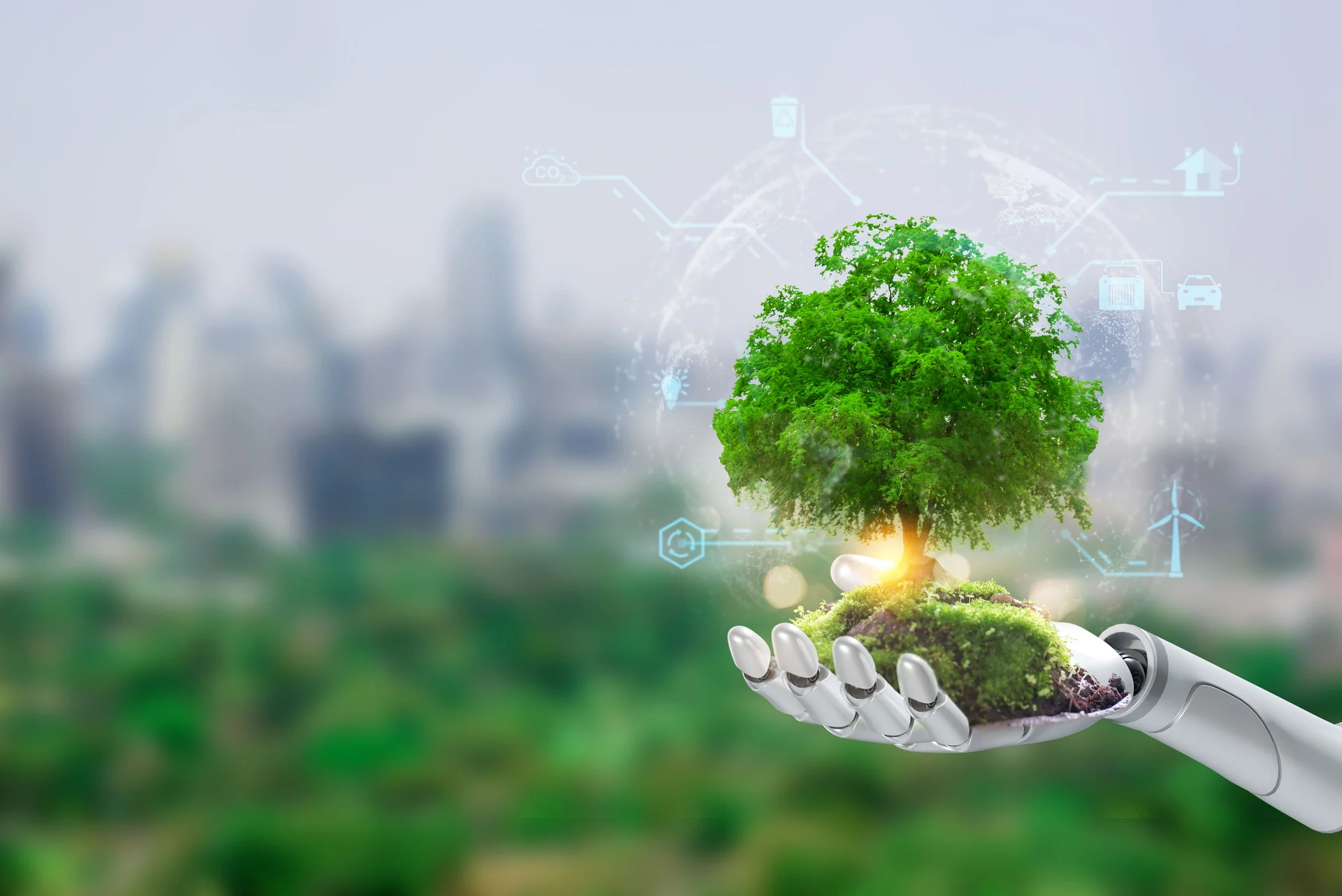
Data-Driven Insights
AI excels in processing large volumes of data, providing insights that would be impossible through manual analysis. For environmental policymakers, this means access to comprehensive data sets that can reveal patterns and trends essential for informed decision-making. AI algorithms can analyze climate data, monitor pollution levels, and assess the impact of human activities on ecosystems.
Real-time data analysis is particularly useful in tracking changes in environmental conditions, allowing policymakers to respond more swiftly to emerging issues. This proactive approach can lead to more effective and timely interventions.
Predictive Modeling and Forecasting
Predictive modeling is another area where AI shines. By utilizing machine learning algorithms, policymakers can forecast environmental changes and assess potential outcomes of proposed policies. This capability is crucial for developing long-term strategies that aim to mitigate climate change and protect natural resources.

For instance, AI can predict the effects of certain pollutants on air quality or simulate the impact of deforestation on local biodiversity. These predictive models enable policymakers to anticipate challenges and craft policies that are both effective and sustainable.
Efficient Resource Management
Effective resource management is at the heart of environmental policy. AI tools can optimize the use of resources such as water, energy, and land by identifying inefficiencies and suggesting improvements. This optimization helps reduce waste and lower environmental footprints, aligning with sustainability goals.
Furthermore, AI can assist in monitoring compliance with environmental regulations, ensuring that industries adhere to established standards. This not only protects the environment but also promotes fair competition by holding all stakeholders accountable.

Challenges and Considerations
While AI offers numerous benefits, it is not without challenges. Policymakers must consider issues related to data privacy, algorithmic bias, and the need for transparency in AI systems. Ensuring that AI tools are used ethically and responsibly is paramount to their successful integration into environmental policy.
Moreover, collaboration between technologists and policymakers is essential to develop AI solutions that are both technically sound and aligned with policy objectives. This partnership can drive innovation while ensuring that technology serves the public interest.
The Future of AI in Environmental Policy
The potential of AI to revolutionize environmental policy is immense. As technology advances, so too will the capabilities of AI to provide deeper insights and more effective solutions. Policymakers must stay informed about these developments to harness AI's full potential in creating a sustainable future.
In conclusion, AI is a powerful ally for policymakers navigating the complexities of environmental policy. By leveraging data-driven insights, predictive modeling, and efficient resource management, AI can help craft policies that are both effective and forward-thinking, paving the way for a healthier planet.
Part of the EcoGuardian journal. This article retains its original publication context; references to grants, regulations, research, and services may have changed since publication.