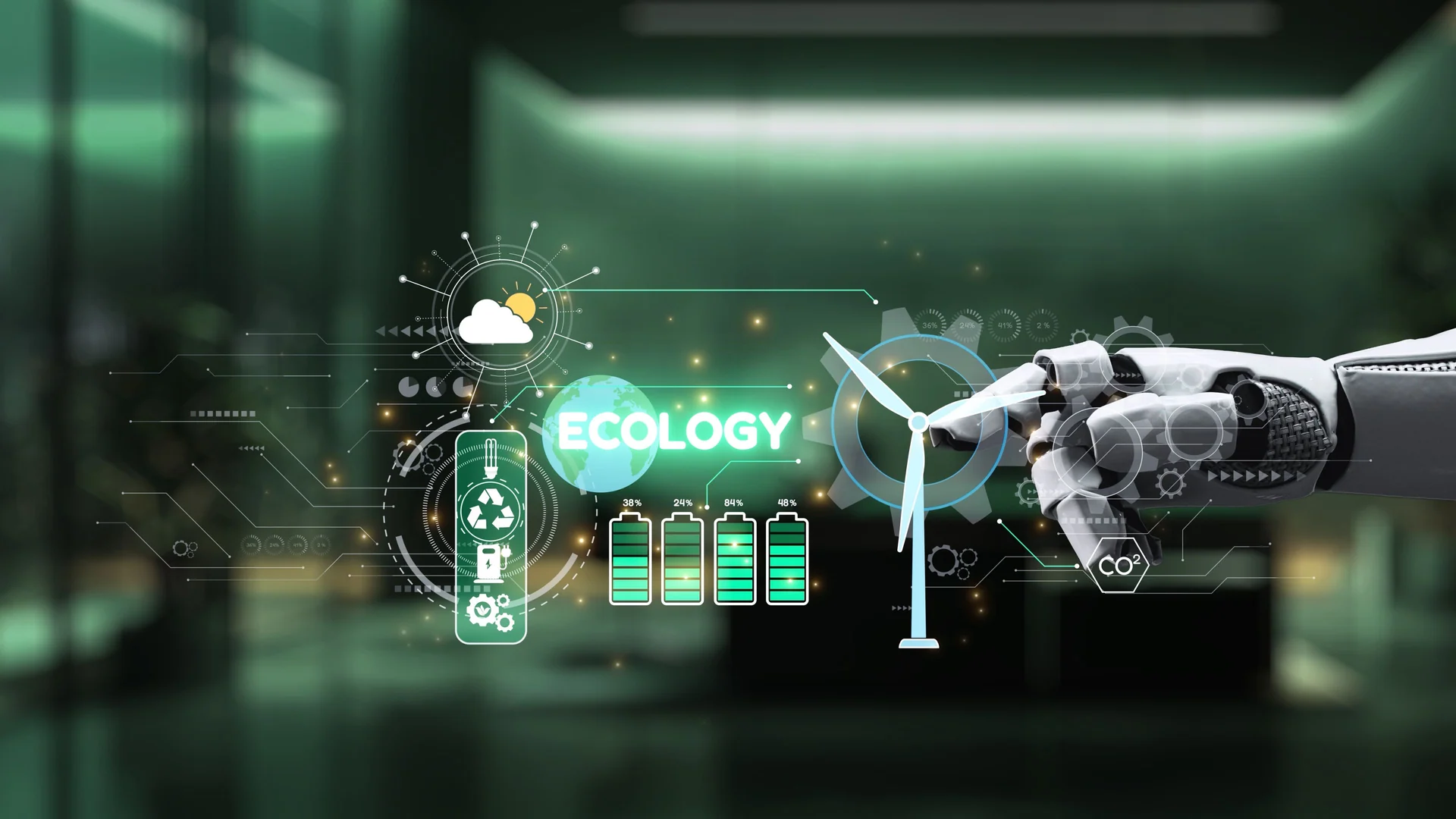
In today's rapidly evolving world, environmental policies are more critical than ever. As governments and organizations strive to address climate change, pollution, and resource management, the role of policymakers becomes increasingly complex. Fortunately, the advent of AI technology offers innovative tools to assist in crafting and implementing effective environmental policies.

Understanding the Role of AI in Policy Development
AI tools are revolutionizing the way policymakers approach environmental challenges. These technologies can analyze vast amounts of data to identify trends, predict outcomes, and provide actionable insights. By leveraging AI, policymakers can enhance their decision-making processes, ensuring that policies are both effective and sustainable.
Furthermore, AI can help streamline regulatory processes by automating data collection and analysis. This not only saves time but also reduces the risk of human error, leading to more accurate and reliable outcomes. As a result, AI becomes an invaluable asset in the toolkit of modern policymakers.
Data-Driven Decision Making
One of the primary benefits of AI is its ability to process large datasets quickly and efficiently. By utilizing machine learning algorithms, AI can uncover patterns and correlations that may not be immediately apparent. This data-driven approach allows policymakers to base their decisions on solid evidence, leading to more effective policies.
For example, AI can be used to model environmental impacts and predict the effects of proposed policies. This foresight allows for the adjustment of strategies to mitigate negative outcomes, ensuring that policies are both proactive and reactive to environmental issues.
Enhancing Collaboration and Communication
AI tools also facilitate better collaboration among stakeholders. By providing a centralized platform for data sharing and analysis, these tools foster transparency and cooperation. Policymakers can engage with scientists, environmentalists, and the public more effectively, ensuring that diverse perspectives are considered.
AI for Public Engagement
In addition to improving internal processes, AI can also be used to enhance public engagement. Interactive platforms powered by AI can simulate policy outcomes, allowing the public to visualize potential changes. This interactive approach not only educates but also empowers citizens, encouraging them to participate in policy discussions.

Moreover, AI-driven analytics can help policymakers understand public sentiment and identify areas of concern. By addressing these issues proactively, policymakers can build trust and ensure that policies are aligned with public interests.
Challenges and Considerations
While AI offers numerous advantages, it is not without challenges. Ethical considerations, data privacy, and the potential for bias must be carefully managed. Policymakers must ensure that AI tools are used responsibly, with transparent algorithms and inclusive datasets.
Finally, ongoing education and training are essential to maximize the benefits of AI in policy development. By staying informed about technological advancements, policymakers can continue to leverage AI to create innovative and impactful environmental policies.
Part of the EcoGuardian journal. This article retains its original publication context; references to grants, regulations, research, and services may have changed since publication.