Introduction to Bio-Swales
As urban areas continue to expand, the need for effective water management systems has become increasingly critical. Traditional drainage systems often struggle to cope with the demands of modern cities, leading to issues like flooding and pollution. Enter bio-swales: an innovative solution that is transforming how urban landscapes handle stormwater.
What Are Bio-Swales?
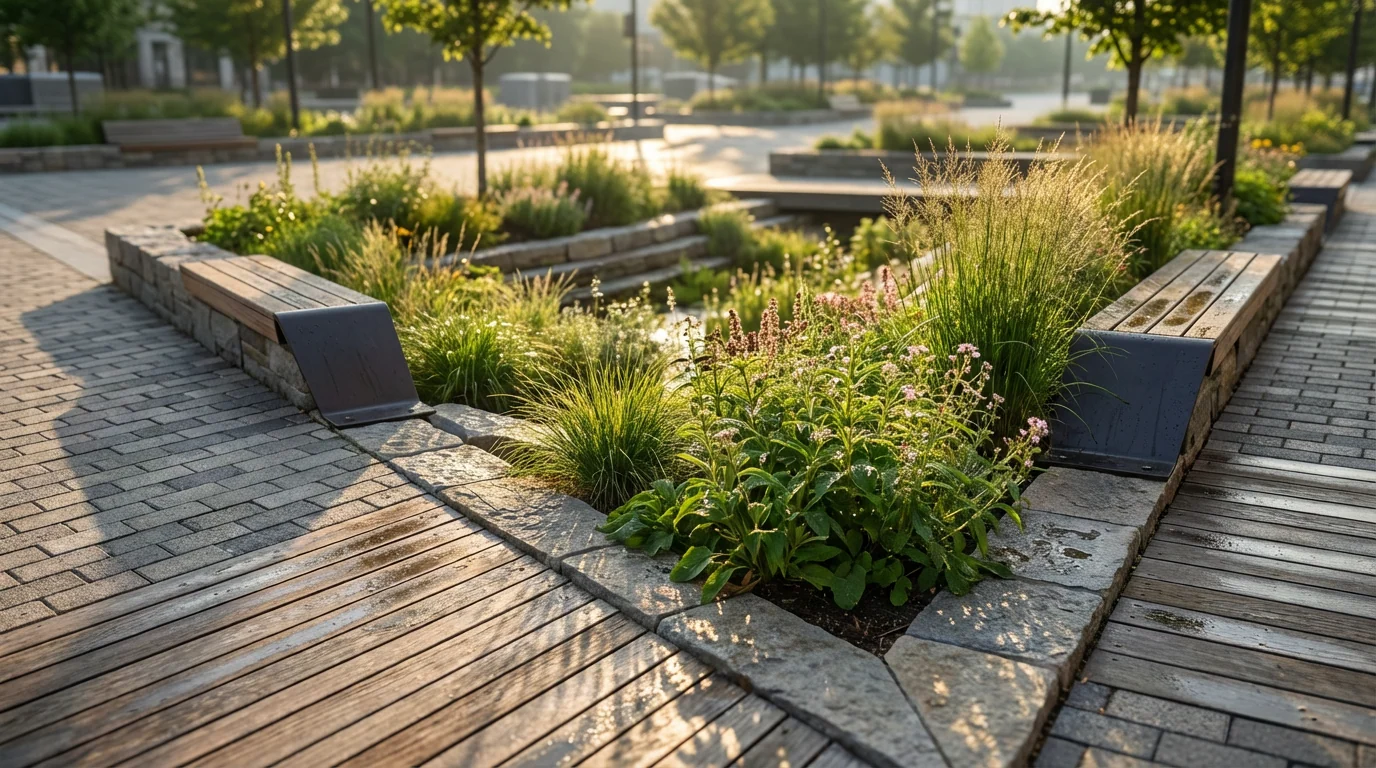
Bio-swales are landscape elements designed to concentrate and convey stormwater runoff while removing debris and pollution. They are essentially shallow, vegetated channels that slow the flow of water, allowing it to infiltrate the ground and be naturally filtered. This process not only reduces flooding but also improves water quality.
Unlike traditional stormwater systems, which rely heavily on concrete pipes and drains, bio-swales use natural processes to manage water. This makes them a more sustainable and environmentally friendly option for urban development.
Benefits of Bio-Swales in Urban Areas
The integration of bio-swales in urban development offers numerous benefits:
- Flood Mitigation: By slowing down water flow, bio-swales can significantly reduce the risk of flash flooding.
- Water Quality Improvement: As water passes through the vegetation, pollutants are naturally filtered out.
- Habitat Creation: The plants used in bio-swales provide habitats for various species, enhancing urban biodiversity.
- Aesthetic Appeal: Beyond functionality, bio-swales add greenery and beauty to urban environments.
Design Considerations for Bio-Swales
When designing bio-swales, several factors must be considered to ensure their effectiveness. The slope, soil type, and vegetation choice all play crucial roles in the system's performance. Designers must also consider the expected volume of runoff and local climate conditions to optimize functionality.
The choice of plants is particularly important, as they must be able to withstand both wet and dry conditions. Native species are often preferred due to their adaptability and ecological benefits.
Implementation Challenges
While bio-swales offer numerous advantages, their implementation is not without challenges. Space constraints in densely populated areas can limit their application. Additionally, proper maintenance is essential to keep them functioning effectively, requiring regular inspection and care.

The Future of Urban Water Management
As cities continue to grow, the adoption of sustainable water management practices like bio-swales will become increasingly important. They represent a shift towards more holistic, nature-based solutions that not only address immediate water management needs but also contribute to broader environmental and community goals.
Investing in bio-swales and similar technologies can help cities build resilience against climate change impacts, ensuring a healthier, more sustainable future for urban populations.
Part of the EcoGuardian journal. This article retains its original publication context; references to grants, regulations, research, and services may have changed since publication.