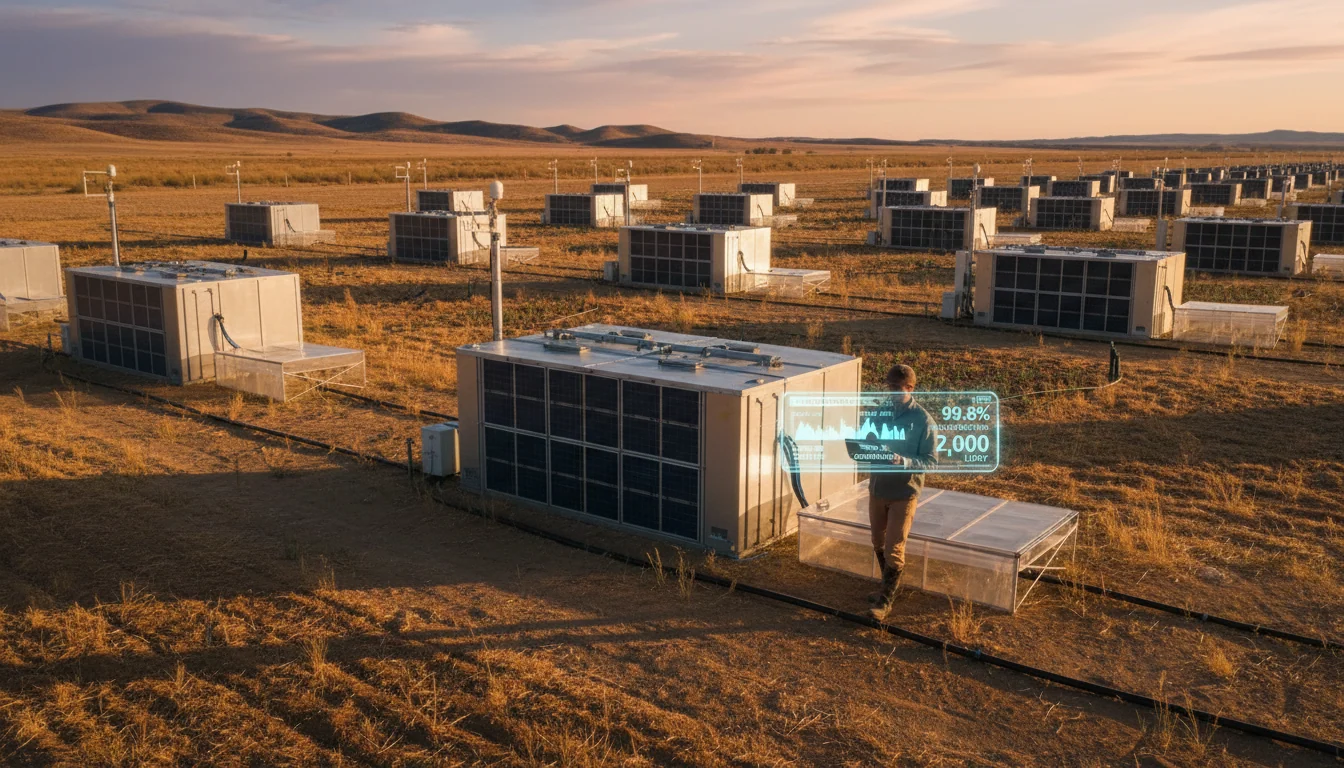
The Rise of AI in Environmental Solutions
In recent years, artificial intelligence (AI) has become a powerful tool in the fight against environmental degradation. By providing innovative solutions to complex ecological challenges, AI is helping to build resilience against climate change, deforestation, and biodiversity loss. Through advanced data analysis and predictive modeling, AI is transforming how we approach environmental protection.
AI technologies can process vast amounts of data at unprecedented speeds. This capability is essential for understanding ecological patterns and predicting future environmental scenarios. By analyzing satellite imagery and climate models, AI can identify areas at risk and propose targeted interventions.

AI in Climate Change Mitigation
One of the most significant ways AI contributes to environmental resilience is through climate change mitigation. AI algorithms can optimize energy consumption, reduce waste, and improve resource efficiency. For example, AI can enhance the performance of renewable energy systems by predicting energy demand and adjusting supply accordingly.
Moreover, AI-driven climate models provide more accurate predictions, enabling policymakers to make informed decisions. These models help in understanding potential climate impacts and crafting strategic responses to minimize adverse effects.

Preserving Biodiversity with AI
Biodiversity is crucial for a healthy ecosystem, and AI is playing a vital role in its preservation. By using machine learning algorithms, researchers can monitor wildlife populations and track changes in habitats. AI systems can process images and sounds from remote sensors, providing real-time data on species distribution and behavior.
This technology allows for more effective conservation strategies, such as identifying poaching threats and deploying resources to protect endangered species. AI also supports reforestation efforts by analyzing the best locations for tree planting and monitoring growth.

AI and Sustainable Agriculture
Agriculture is another area where AI is making a significant impact. By optimizing irrigation systems and predicting crop yields, AI helps farmers use resources more efficiently. This not only increases productivity but also reduces the environmental footprint of farming practices.
AI technologies can analyze soil health and weather conditions to advise on the best planting and harvesting times. This precision agriculture approach ensures sustainable practices and minimizes waste.

The Future of AI in Environmental Resilience
As AI continues to evolve, its applications in environmental resilience will expand. We can expect further advancements in areas like pollution control, water management, and urban planning. AI will enable smarter cities that are more adaptive to environmental challenges.
Collaboration between AI developers, environmental scientists, and policymakers is crucial for maximizing AI's potential. By working together, we can harness AI's capabilities to create a more sustainable and resilient future for our planet.

Part of the EcoGuardian journal. This article retains its original publication context; references to grants, regulations, research, and services may have changed since publication.