The Rise of AI in Environmental Impact Assessments
In recent years, artificial intelligence (AI) has become a powerful tool in various industries. In Florida, AI is transforming how environmental impact assessments (EIAs) are conducted. By leveraging advanced algorithms and data processing capabilities, AI is making EIAs more efficient and accurate, paving the way for more sustainable development practices.
Traditional EIAs often require extensive manual research and data collection, which can be time-consuming and prone to human error. AI, however, can process vast amounts of data quickly, providing more comprehensive insights and predictions about environmental impacts.

Streamlining Data Analysis
One significant advantage of using AI in EIAs is its ability to streamline data analysis. AI algorithms can sift through large datasets from various sources, such as satellite imagery, historical climate data, and biodiversity records. This capability allows for a more thorough understanding of potential environmental impacts.
For example, AI can identify patterns and correlations that might not be immediately apparent to human analysts. This enhances the accuracy of predictions related to habitat disruption, water quality changes, and other critical factors.
Predictive Modeling and Simulation
AI's predictive modeling capabilities are revolutionizing how future environmental impacts are anticipated. By simulating different scenarios, AI can help planners and policymakers understand potential outcomes and make informed decisions.

These simulations can consider various factors like climate change, population growth, and infrastructure development. As a result, stakeholders can explore multiple strategies to mitigate negative environmental impacts before they occur.
Enhancing Public Engagement and Transparency
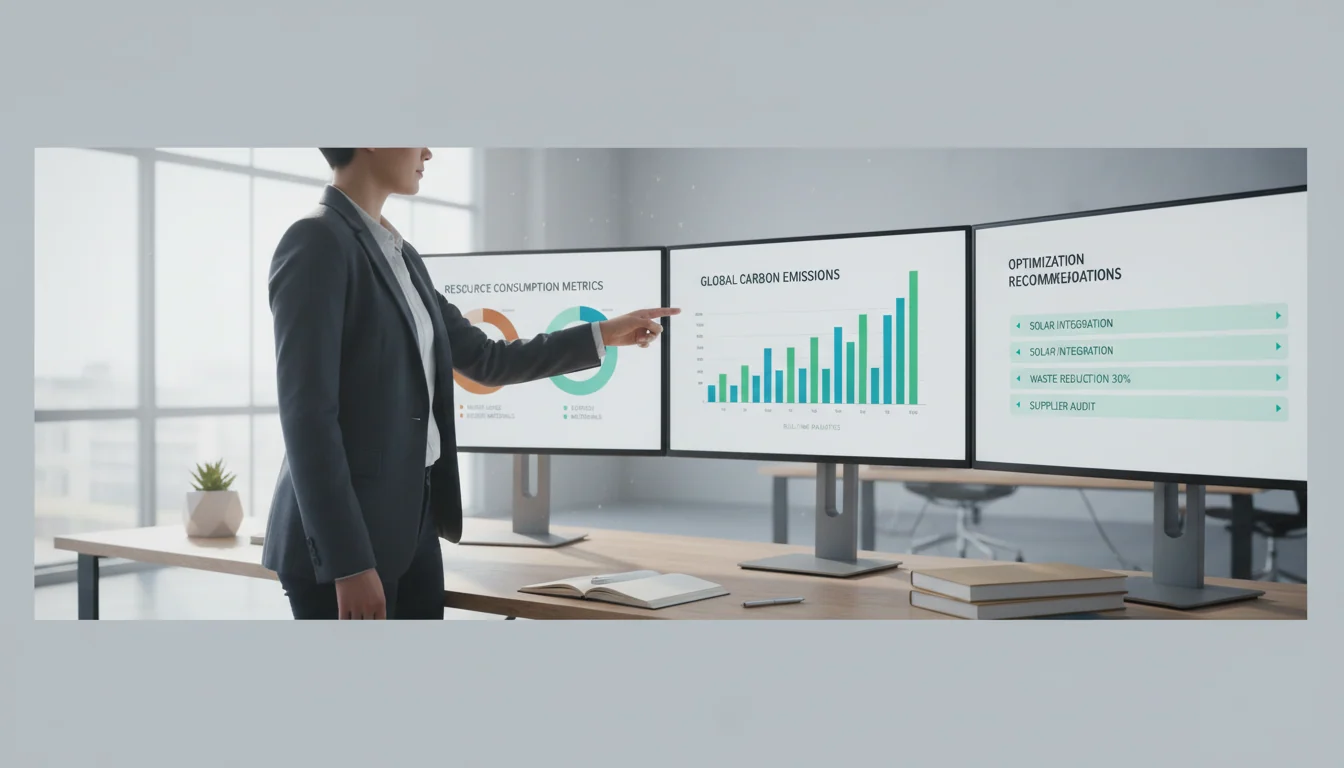
AI is also playing a role in enhancing public engagement and transparency in the EIA process. By making complex data more accessible and understandable, AI tools can help the public and stakeholders better grasp the potential impacts of proposed projects.
Interactive platforms powered by AI can provide visualizations and summaries that facilitate more meaningful discussions between developers, government agencies, and communities. This transparency fosters trust and encourages collaborative decision-making.

Challenges and Considerations
Despite the benefits, integrating AI into EIAs is not without challenges. Data privacy, algorithmic biases, and the need for high-quality data are some of the issues that need careful consideration. Ensuring that AI tools are transparent and ethical is crucial for maintaining public confidence.
Moreover, ongoing collaboration between AI experts, environmental scientists, and policymakers is essential to ensure that AI applications are effective and aligned with environmental goals.
The Future of AI in Environmental Impact Assessments
As AI technology continues to evolve, its role in environmental impact assessments in Florida and beyond is likely to grow. By providing faster, more accurate analyses, AI can help balance development needs with environmental preservation.
Ultimately, the integration of AI into EIAs represents a promising step towards more sustainable and responsible development practices, ensuring that Florida's unique ecosystems are protected for future generations.
Part of the EcoGuardian journal. This article retains its original publication context; references to grants, regulations, research, and services may have changed since publication.