
As urban areas in Florida continue to grow, the need for sustainable development has become increasingly crucial. Green infrastructure offers a promising solution by integrating natural systems with urban environments to manage stormwater, reduce heat, and improve air quality. This approach not only enhances the quality of life for residents but also contributes to environmental conservation.
Artificial Intelligence (AI) is playing a pivotal role in advancing green infrastructure by providing innovative tools and insights that help urban planners design and implement sustainable strategies more effectively. From predictive analytics to smart sensors, AI offers numerous applications that can transform urban landscapes.
The Role of AI in Designing Green Infrastructure
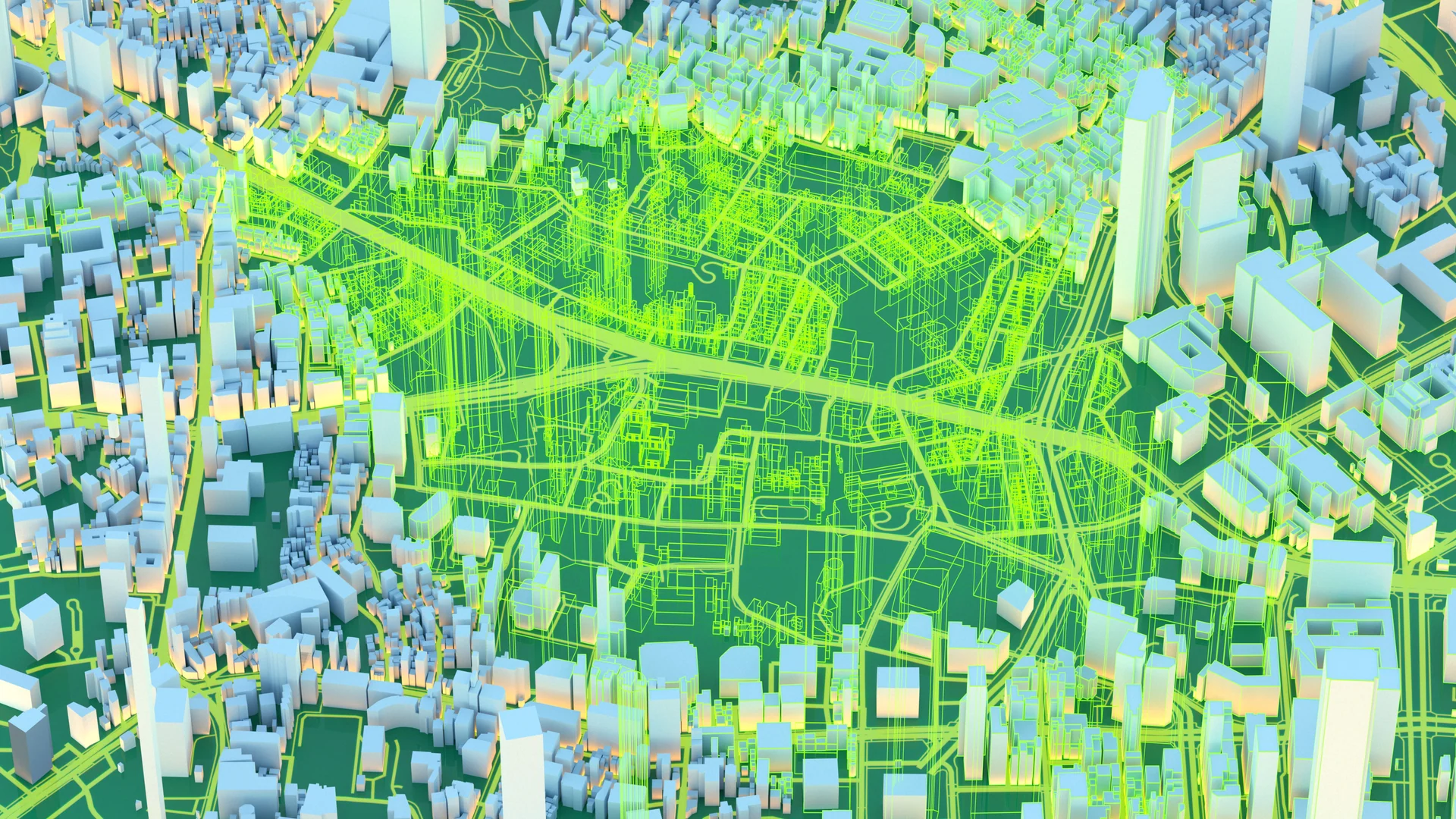
AI technologies are revolutionizing the way green infrastructure is planned and executed in Florida. By leveraging big data and machine learning, AI can analyze complex datasets to identify optimal locations for green projects. This data-driven approach ensures that resources are used efficiently and projects have the maximum positive impact.
Urban planners can use AI to simulate different scenarios and predict the outcomes of various green infrastructure designs. This capability allows for more informed decision-making and the ability to fine-tune projects before implementation. As a result, urban areas can achieve better water management, reduced urban heat islands, and enhanced biodiversity.
Real-Time Monitoring and Maintenance
Once green infrastructure is in place, AI continues to provide value through real-time monitoring and maintenance. Smart sensors placed throughout urban areas can collect data on environmental conditions, such as rainfall, temperature, and air quality. This information is crucial for maintaining the health and effectiveness of green infrastructure components like green roofs and permeable pavements.
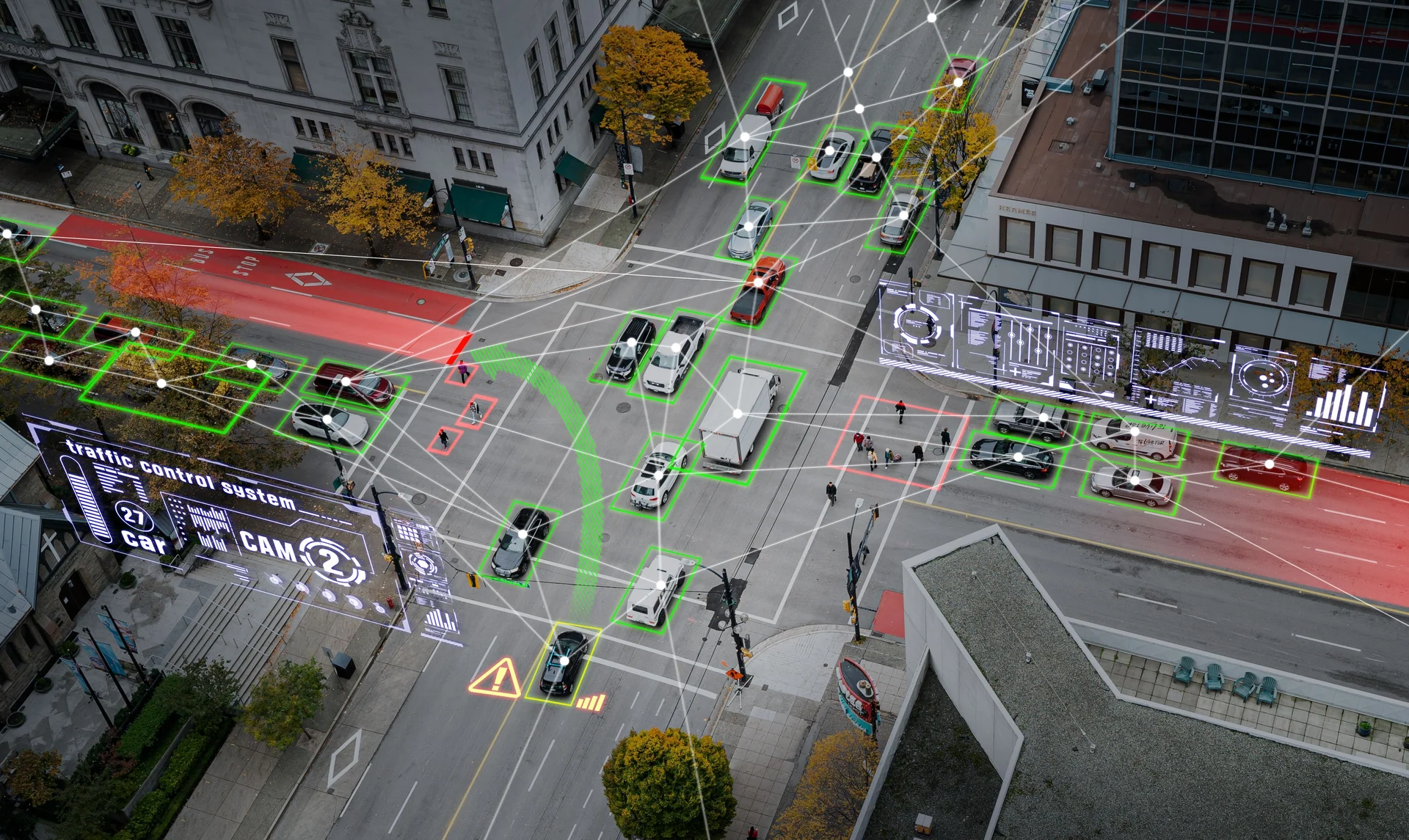
AI algorithms can process this data to detect anomalies or signs of deterioration, allowing for proactive maintenance. This approach not only extends the lifespan of green infrastructure but also ensures that it consistently delivers environmental benefits.
Case Studies: AI-Driven Green Infrastructure in Florida
Several cities in Florida are already seeing the benefits of AI-driven green infrastructure. For example, Miami has implemented AI-powered flood prediction systems that help manage stormwater more effectively during heavy rains. These systems use real-time data to provide accurate forecasts, enabling timely interventions and reducing the risk of flooding.
In Orlando, AI is being used to optimize green spaces by analyzing how different plant species interact with local environmental conditions. This analysis helps in selecting the most suitable plants for urban settings, promoting biodiversity, and ensuring that green spaces thrive.

The Future of AI in Sustainable Urban Development
As AI technology continues to evolve, its applications in green infrastructure will likely expand. Future innovations may include AI-driven autonomous systems for maintaining urban green spaces or advanced predictive models that account for climate change impacts. These advancements could further enhance the resilience and sustainability of urban areas in Florida.
Ultimately, the integration of AI in green infrastructure represents a significant step forward in sustainable urban development. By harnessing the power of technology, cities can create environments that are not only livable and resilient but also in harmony with nature.
Part of the EcoGuardian journal. This article retains its original publication context; references to grants, regulations, research, and services may have changed since publication.