
Environmental Impact Assessments (EIAs) are crucial in evaluating the potential effects of a proposed project on the environment. Traditionally, this process has been time-consuming and complex, involving multiple stakeholders and diverse data sources. However, with the advent of Artificial Intelligence (AI), EIAs are becoming more efficient and accurate, enabling better decision-making.

Understanding the Role of AI in EIAs
AI technologies, such as machine learning and data analytics, play a significant role in enhancing EIAs. These tools are capable of processing vast amounts of data quickly, identifying patterns, and predicting outcomes that would be challenging for humans to discern. As a result, AI can provide deeper insights into environmental impacts, leading to more informed decisions.
One of the most significant advantages of using AI in EIAs is its ability to automate data collection and analysis. This automation reduces human error and allows for continuous monitoring of environmental parameters, ensuring that any changes are promptly detected and addressed.

Enhancing Accuracy with AI
AI-driven models can simulate various scenarios and predict their potential environmental impacts. This capability is particularly useful in assessing complex projects where multiple variables and interactions need to be considered. By providing accurate predictions, AI helps stakeholders understand potential risks and opportunities associated with a project.
Moreover, AI can integrate various types of data, such as satellite imagery, sensor data, and historical records, to create a comprehensive view of the environmental context. This integration enhances the accuracy of the assessments, providing a solid foundation for decision-making.
Facilitating Better Decision Making
With AI, decision-makers can access real-time data and insights, allowing for more agile responses to environmental challenges. This capability is crucial in today’s rapidly changing world, where environmental conditions can shift quickly. By leveraging AI, organizations can make proactive decisions that minimize negative impacts and promote sustainability.
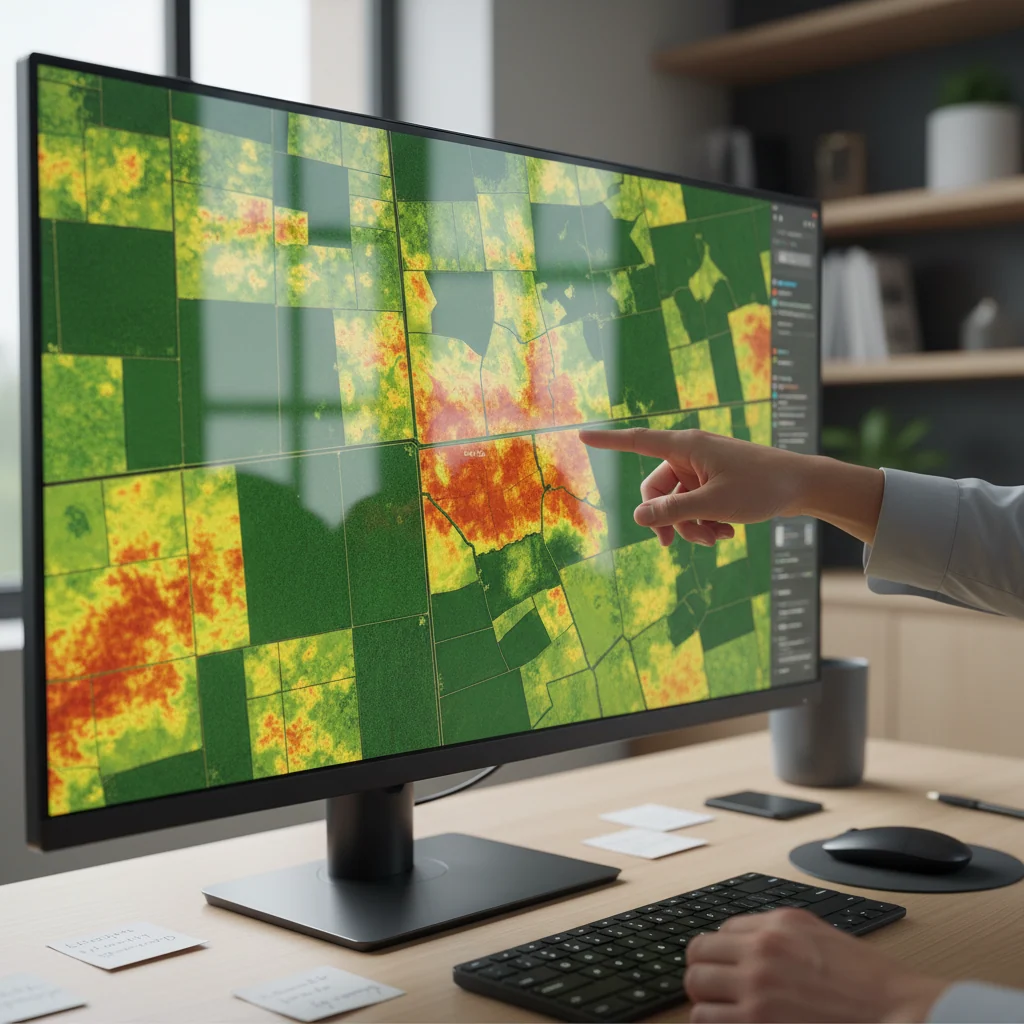
AI also supports stakeholder engagement by providing clear, visual representations of data and potential impacts. These visualizations help communicate complex information effectively, ensuring that all parties have a shared understanding of the issues at hand.

Challenges and Considerations
While AI offers numerous benefits, it is essential to address certain challenges. Ensuring data quality and overcoming biases in AI models are critical to achieving reliable outcomes. Additionally, there is a need for collaboration between AI experts and environmental scientists to develop models that accurately reflect ecological complexities.
Ethical considerations must also be taken into account, particularly regarding data privacy and the potential for AI to replace human expertise. Balancing technological advancement with human judgment is crucial for responsible application of AI in EIAs.
The Future of EIAs with AI
As AI continues to evolve, its integration into EIAs will undoubtedly expand. Future advancements may include more sophisticated models capable of predicting long-term environmental impacts and adaptive AI systems that learn from new data and experiences. These innovations will further enhance the effectiveness of EIAs, promoting sustainable development and environmental stewardship.
In conclusion, leveraging AI in Environmental Impact Assessments presents a promising opportunity to improve the accuracy, efficiency, and transparency of the decision-making process. By embracing these technologies, we can better understand and mitigate the environmental impacts of our actions, paving the way for a more sustainable future.
Part of the EcoGuardian journal. This article retains its original publication context; references to grants, regulations, research, and services may have changed since publication.