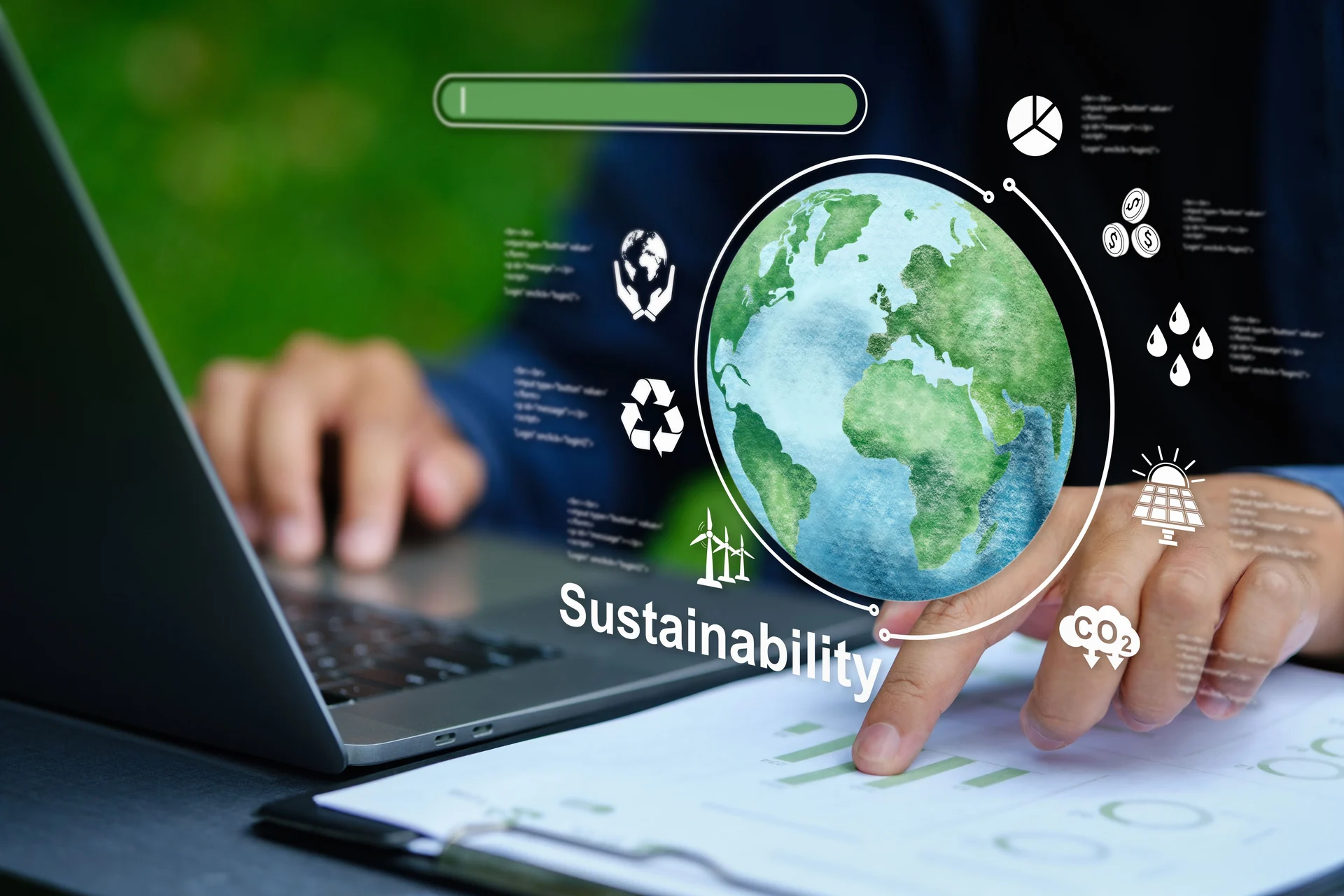
Environmental Impact Assessments (EIAs) are crucial processes used to evaluate the potential environmental effects of proposed projects. Traditionally, these assessments have been labor-intensive and time-consuming. However, with the advent of artificial intelligence, there's a significant opportunity to enhance the efficiency and accuracy of EIAs.
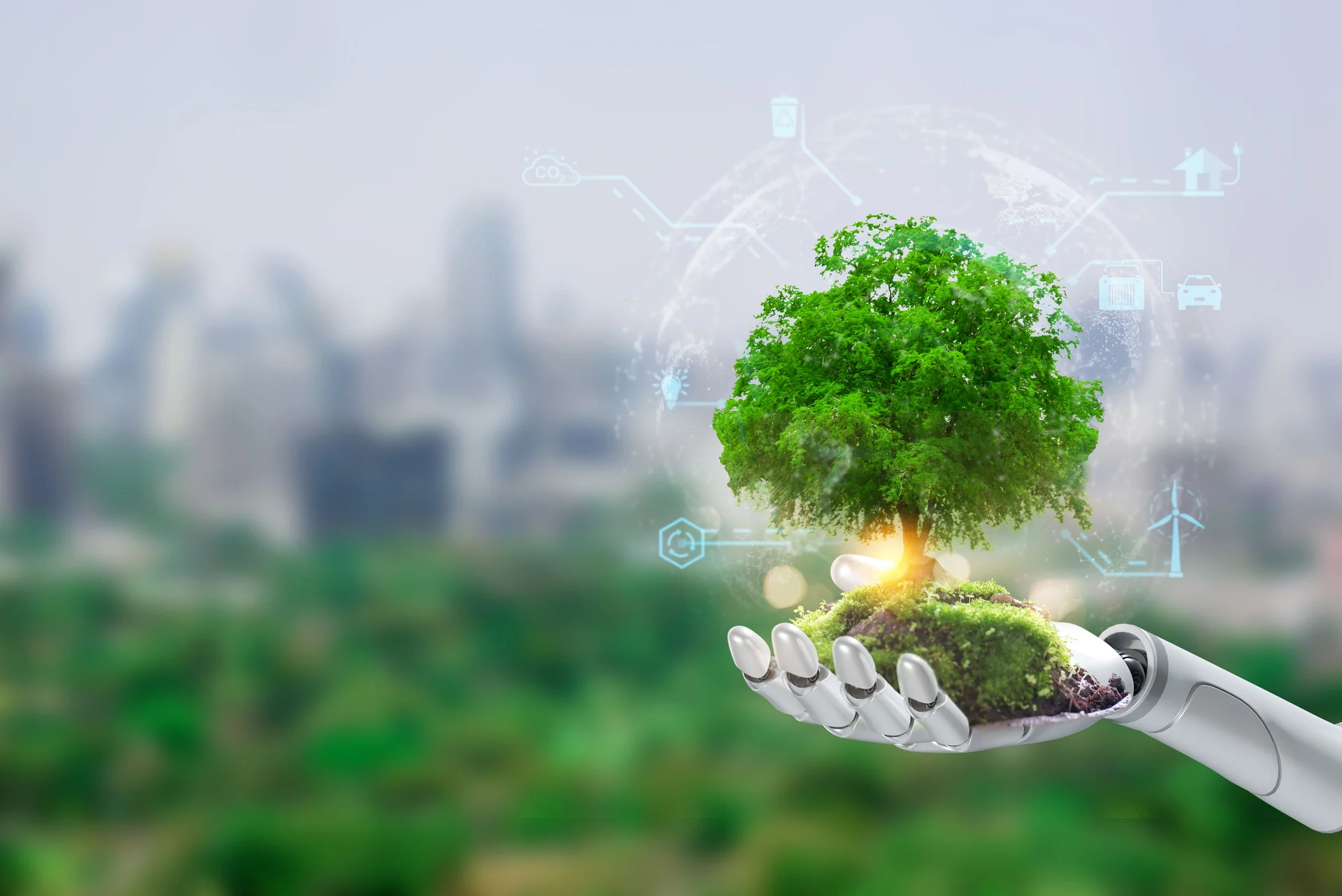
AI tools are revolutionizing the way we conduct environmental assessments by providing more precise data analysis, predictive modeling, and real-time monitoring. Leveraging machine learning algorithms, these tools can process vast amounts of data quickly, enabling faster decision-making and more comprehensive evaluations.
Streamlining Data Analysis
One of the primary benefits of AI in EIAs is the ability to streamline data analysis. Environmental assessments require the examination of large datasets, including weather patterns, wildlife populations, and pollution levels. AI can analyze these datasets more efficiently than traditional methods, identifying patterns and anomalies that might go unnoticed by human analysts.
By employing AI, organizations can reduce the time needed to conduct these assessments, allowing for quicker project approvals. This efficiency not only saves time but also reduces costs, making environmental assessments more accessible for smaller projects and organizations.
Enhancing Predictive Modeling
AI tools excel in predictive modeling, which is essential for anticipating the potential impacts of a project. Using historical data and advanced algorithms, AI can predict future environmental conditions and assess how a project might alter these conditions. This predictive capability allows for more informed decision-making, ensuring that projects proceed with a minimized environmental footprint.

Moreover, AI-driven models can simulate various scenarios, providing stakeholders with a comprehensive understanding of potential risks and benefits. This information is invaluable in crafting mitigation strategies and ensuring compliance with environmental regulations.
Real-Time Monitoring and Adaptation
Real-time monitoring is another area where AI makes a significant difference. AI-powered sensors and IoT devices can continuously monitor environmental changes, providing stakeholders with up-to-date information on project impacts. This real-time data allows for immediate adjustments, ensuring that projects remain within acceptable environmental limits.
Such adaptability is crucial in dynamic environments where conditions can change rapidly. By integrating AI tools, projects can be more responsive to unexpected environmental changes, reducing negative impacts and enhancing sustainability.

Challenges and Considerations
While AI offers numerous benefits for EIAs, there are challenges to consider. Data privacy and security are paramount, as sensitive environmental data must be handled with care. Additionally, there is a need for skilled professionals who can interpret AI-generated insights and integrate them into decision-making processes.
Moreover, the reliance on AI should not overshadow the importance of human expertise. Environmental assessments require nuanced understanding and ethical considerations that AI alone cannot provide. A balanced approach that combines AI capabilities with human insight is essential for successful environmental assessments.
Conclusion
AI tools hold immense potential to transform Environmental Impact Assessments, offering more efficient, accurate, and dynamic evaluations. By streamlining data analysis, enhancing predictive modeling, and enabling real-time monitoring, AI can help ensure that development projects are sustainable and environmentally responsible.
As the technology continues to evolve, embracing AI in environmental assessments will be crucial for meeting the growing demands of environmental protection and sustainable development. By doing so, we can pave the way for a future where progress and environmental stewardship go hand in hand.
Part of the EcoGuardian journal. This article retains its original publication context; references to grants, regulations, research, and services may have changed since publication.