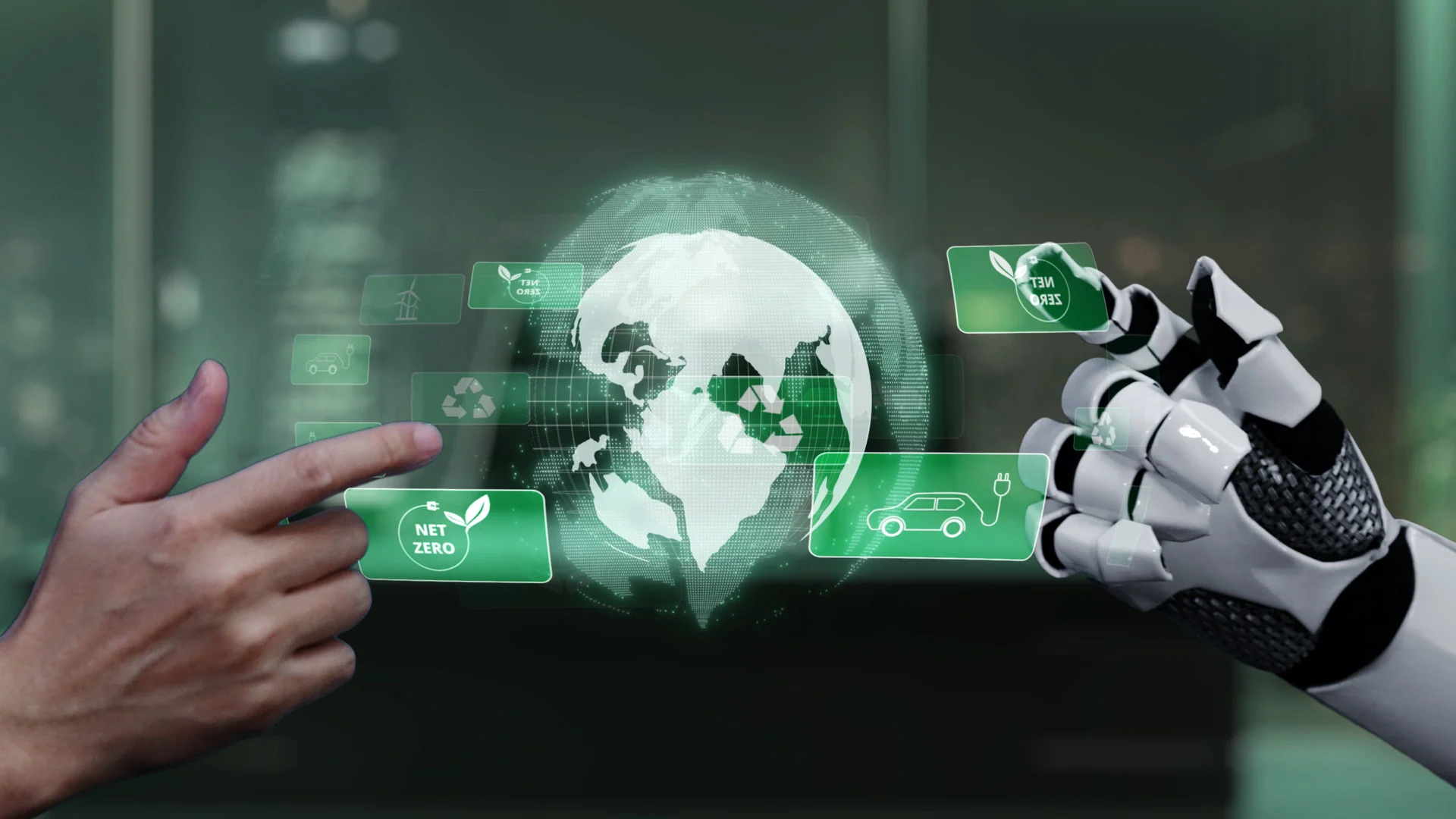
Environmental Impact Assessments (EIAs) are crucial tools in understanding how proposed projects may affect the environment. With the growing need for sustainable development, these assessments help ensure that environmental considerations are integrated into decision-making processes. However, conducting an EIA can be complex and time-consuming. This is where AI tools can make a significant difference.
Streamlining Data Collection
One of the most challenging aspects of EIAs is collecting and analyzing vast amounts of data. AI tools can automate the process of gathering data from various sources, such as satellite imagery, weather patterns, and biodiversity records. By doing so, they can significantly reduce the time and effort required for data collection without compromising accuracy.
AI algorithms can also process and interpret data at speeds unmatched by human capabilities, providing insights that might otherwise be overlooked. This efficiency not only improves the quality of the assessments but also speeds up project timelines.

Enhancing Predictive Analysis
AI tools excel in predictive analysis, offering the ability to simulate the potential impacts of a project before it begins. By utilizing machine learning models, these tools can predict environmental changes, such as shifts in wildlife populations or water quality alterations, based on historical data and current trends.
This predictive capability allows stakeholders to explore various scenarios and make informed decisions that minimize environmental harm. The ability to anticipate and mitigate adverse effects is a powerful asset for project planners and environmentalists alike.
Facilitating Stakeholder Engagement
Engaging stakeholders in the EIA process is essential for successful project implementation. AI tools can facilitate this engagement by providing clear, visual representations of data and predictions. Interactive dashboards and virtual simulations help communicate complex information in an accessible manner.
These tools can also enable real-time feedback and collaboration among stakeholders, fostering a more inclusive and transparent decision-making process. By improving communication, AI tools can help build trust and consensus among diverse groups.

Improving Monitoring and Compliance
Once a project is underway, monitoring its environmental impact is crucial to ensure compliance with regulations. AI technologies can continuously analyze environmental data, detecting anomalies or changes that signal potential issues. This real-time monitoring allows for prompt corrective actions, reducing long-term damage.
Furthermore, AI can assist in reporting and documentation, making it easier to demonstrate compliance with legal and environmental standards. This transparency is vital for maintaining public trust and securing ongoing support for development projects.
Challenges and Considerations
While AI offers numerous benefits, it is essential to be aware of the challenges and limitations. The accuracy of AI predictions depends heavily on the quality of the data input. Ensuring data integrity and overcoming biases in AI models are critical for reliable outcomes.
Moreover, the integration of AI tools requires investment in technology and training. Organizations must be prepared to adapt to these changes, fostering a culture that embraces innovation while maintaining a strong commitment to environmental stewardship.

The Future of EIAs with AI
The integration of AI tools into Environmental Impact Assessments represents a promising shift towards more efficient and effective environmental management. By enhancing data collection, predictive analysis, stakeholder engagement, and compliance monitoring, AI can help ensure that development projects are both sustainable and responsible.
As technology continues to evolve, the potential for AI in EIAs will only expand, offering new opportunities for innovation in the pursuit of a greener future. Embracing these advancements will be key to addressing the environmental challenges of our time.
Part of the EcoGuardian journal. This article retains its original publication context; references to grants, regulations, research, and services may have changed since publication.