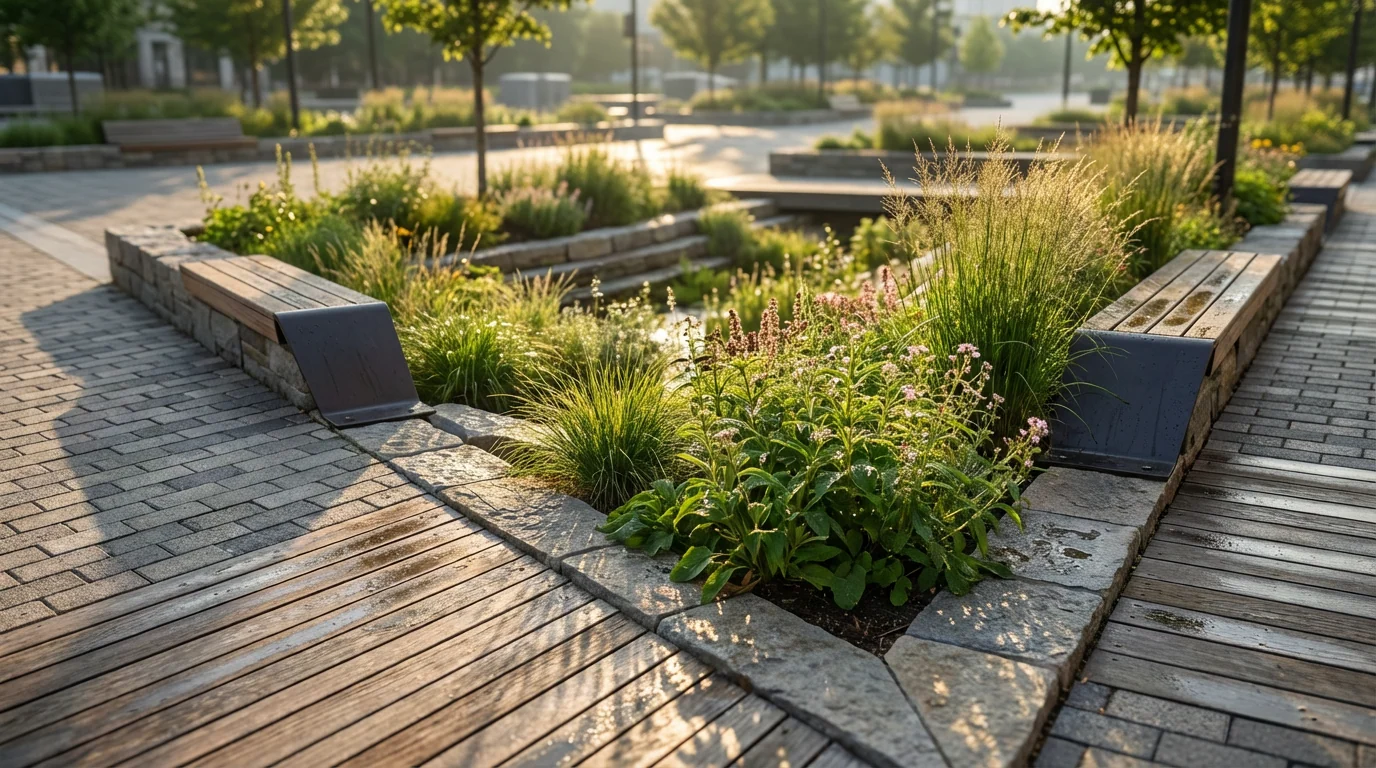
As sustainability becomes more crucial, homeowners are looking for ways to make their properties more eco-friendly. One excellent method is to implement bio-swales in your backyard. Bio-swales are landscaped elements designed to concentrate or remove debris and pollution from surface runoff water. They are both functional and aesthetically pleasing, making them a perfect addition to your Walton County backyard.
Bio-swales act as natural filters, using vegetation and soil to manage water runoff. This not only helps in reducing pollution but also aids in water conservation by directing rainwater back into the ground. If you're ready to embark on a DIY project that benefits both your home and the environment, this guide will walk you through the process.
Understanding Bio-Swales
What Are Bio-Swales?
Bio-swales are shallow, vegetated channels designed to capture and slowly convey water. They resemble small ditches but are filled with vegetation, mulch, and soil. Bio-swales are effective in reducing runoff, filtering pollutants, and even recharging groundwater supplies. By integrating them into your backyard, you can manage stormwater efficiently while enhancing the landscape.
Benefits of Bio-Swales
Incorporating bio-swales into your backyard offers numerous benefits. These include:
- Pollution reduction: Vegetation and soil act as natural filters, trapping pollutants.
- Flood prevention: They help manage excess rainwater, reducing the risk of flooding.
- Groundwater recharge: Bio-swales promote water infiltration into the ground.
- Wildlife habitat: They provide habitats for various species, enhancing biodiversity.

Planning Your Bio-Swale
Site Selection
Choosing the right location for your bio-swale is crucial. Look for areas where water naturally collects or runs off. Common spots include the edges of driveways, along pathways, or near downspouts. Consider the slope and drainage patterns of your yard to ensure your bio-swale effectively captures water.
Design Considerations
When designing your bio-swale, consider its size, shape, and depth. The dimensions will depend on the amount of water runoff and the space available in your yard. Typically, bio-swales should be around 6-12 inches deep and have gentle slopes on either side. Ensure the bottom width is between 1-2 feet for optimal water flow.

Building Your Bio-Swale
Materials and Tools
Gather the necessary materials and tools before starting your project. You'll need shovels, rakes, landscaping fabric, gravel, and appropriate plants. Choose native plants that are well-suited to the local climate and have deep root systems to enhance water absorption.
Steps to Construction
- Excavation: Dig the trench following your design plan, ensuring it has a gentle slope.
- Layering: Lay down landscaping fabric to prevent soil erosion, followed by a layer of gravel.
- Planting: Add your chosen plants, focusing on those that thrive in wet conditions.
- Finishing touches: Mulch around the plants to retain moisture and reduce weeds.
Implementing a bio-swale in your Walton County backyard is a rewarding project that not only enhances your landscape but also contributes positively to the environment. By following this guide, you can create a sustainable and attractive solution to manage stormwater effectively.
Part of the EcoGuardian journal. This article retains its original publication context; references to grants, regulations, research, and services may have changed since publication.