Comparing AI Tools for Environmental Impact Assessment: What Sets EcoGuardian AI Apart?


Understanding the Role of AI in Environmental Impact Assessments
As environmental concerns grow, the need for effective and efficient Environmental Impact Assessments (EIAs) has never been more critical. Artificial Intelligence (AI) tools have emerged as game-changers in this domain, offering innovative solutions to enhance the accuracy and speed of these assessments. Among the various AI tools available, EcoGuardian AI has distinguished itself as a leader in the field.
AI tools for EIAs streamline data collection, analysis, and reporting processes. They utilize complex algorithms to assess potential environmental impacts, helping organizations make informed decisions. But what makes EcoGuardian AI stand out from the rest? Let's explore the unique features that set it apart.

Advanced Data Analytics
One of the core strengths of EcoGuardian AI is its advanced data analytics capabilities. By integrating machine learning with large datasets, it offers predictive insights that are both comprehensive and actionable. This enables organizations to anticipate potential environmental impacts before they occur, allowing for proactive measures.
Furthermore, EcoGuardian AI's ability to handle vast amounts of data from various sources, such as satellite imagery and field sensors, provides a more holistic view of the environmental context. This integration ensures that assessments are not only accurate but also reflective of real-time conditions.

User-Friendly Interface
Another key feature of EcoGuardian AI is its user-friendly interface. Designed with non-technical users in mind, the platform offers intuitive navigation and clear visualizations. This ease of use empowers organizations to conduct thorough environmental assessments without needing specialized technical expertise.
The platform's dashboard allows users to customize reports and visualize data in ways that best suit their specific needs. This flexibility ensures that the insights generated are both relevant and easily digestible for stakeholders at all levels.
Scalability and Customization
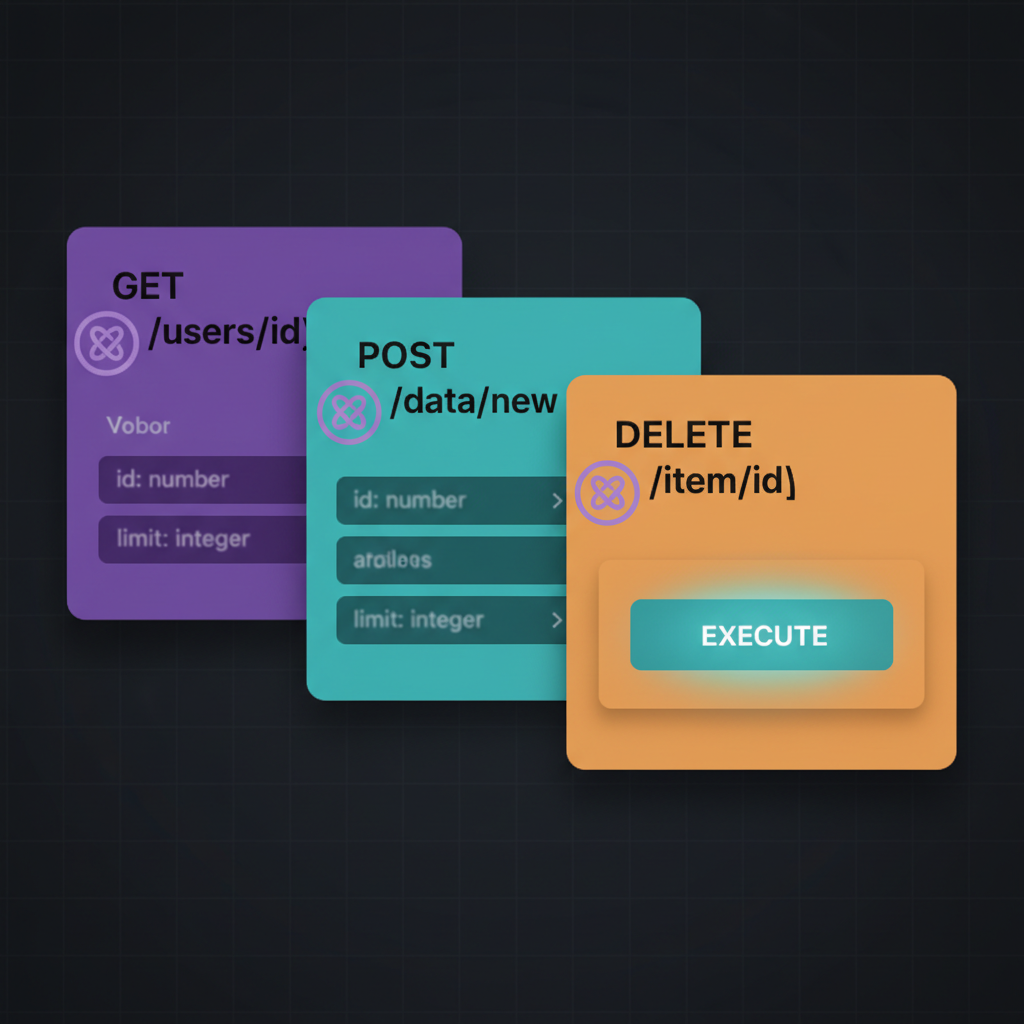
EcoGuardian AI is highly scalable, making it suitable for projects of all sizes. Whether it's a small-scale local project or a large international development, the tool adapts to various requirements. This scalability ensures that organizations can rely on EcoGuardian AI regardless of their project's scope.
Moreover, EcoGuardian AI offers extensive customization options. Users can tailor the tool to focus on specific environmental factors relevant to their projects, enhancing the precision and relevance of the assessments.
Commitment to Sustainability
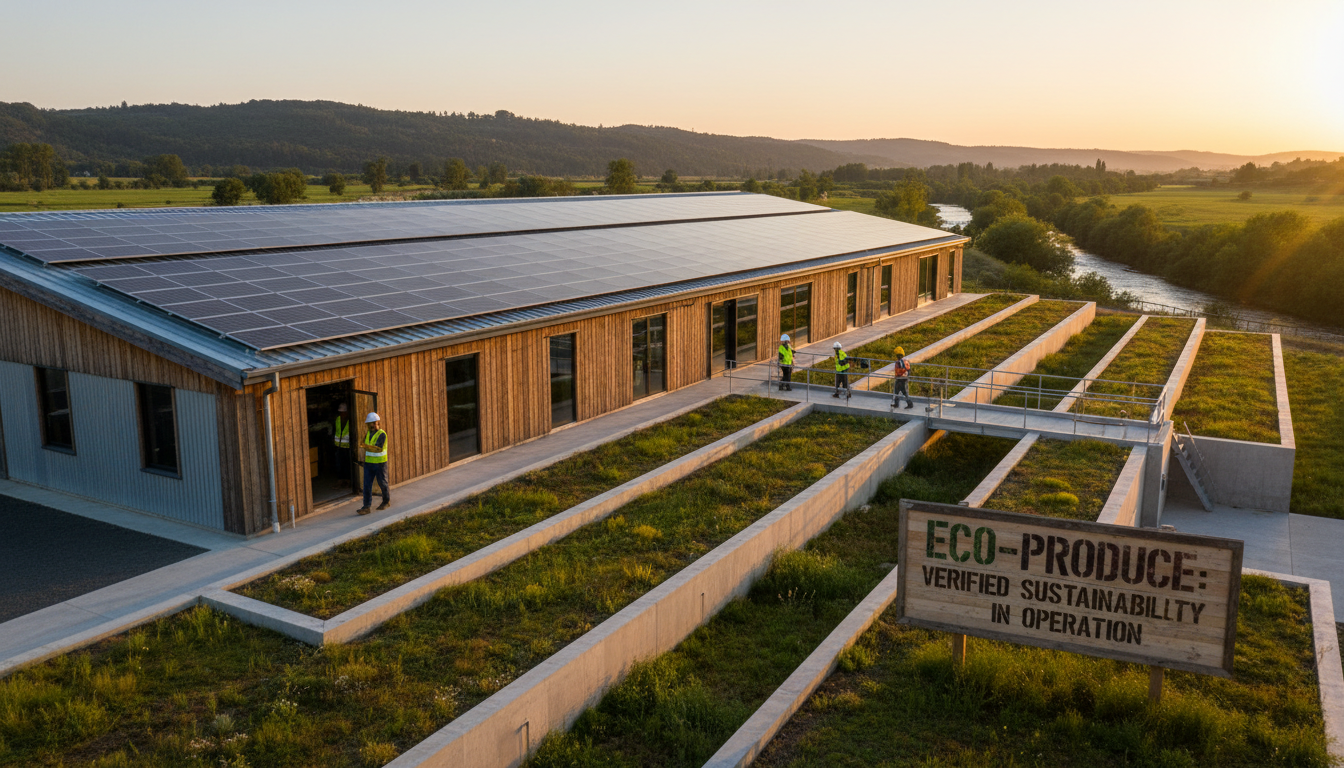
EcoGuardian AI's commitment to sustainability is evident in its design and functionality. By prioritizing environmentally friendly practices, the tool aligns with global sustainability goals. Its algorithms are optimized to reduce energy consumption, further minimizing the environmental footprint of the assessment process.
This commitment not only enhances the credibility of the tool but also supports organizations in achieving their sustainability objectives, making EcoGuardian AI a preferred choice for environmentally conscious companies.
Conclusion: The Future of Environmental Impact Assessments
In conclusion, EcoGuardian AI stands out in the landscape of AI tools for Environmental Impact Assessments due to its advanced analytics, user-friendly interface, scalability, and commitment to sustainability. As environmental challenges become more complex, relying on innovative solutions like EcoGuardian AI will be crucial for effective and responsible decision-making.
By choosing EcoGuardian AI, organizations not only enhance their EIA processes but also contribute to a more sustainable future. As technology continues to evolve, tools like EcoGuardian AI will undoubtedly play a pivotal role in shaping the future of environmental assessments.